The ongoing freeze on funding by the U.S. government for international aid projects is raising serious alarms among global health experts. Affected significantly is the United States Agency for International Development (USAID), which plays a pivotal role in providing tens of billions of dollars in overseas assistance each year, directly impacting health, education, and economic development globally.
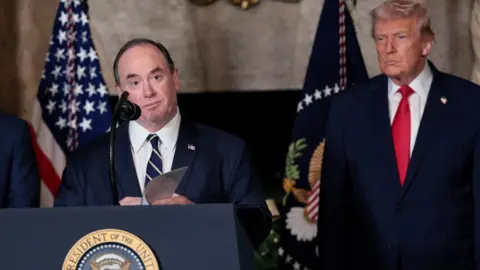
The Trump administration's decision to enact a 90-day funding freeze while conducting a "review" of aid projects aligns with an "America First" strategy. Critics warn that this move may severely hinder critical health initiatives. Experts have highlighted serious consequences, particularly the potential spread of infectious diseases like tuberculosis (TB) and HIV, which may become uncontrollable amid funding cuts.
Health professionals such as Dr. Tom Wingfield at the UK's Liverpool School of Tropical Medicine emphasize the far-reaching implications of dismantling the U.S.'s robust aid distribution. They've pointed out that services crucial for preventing under-nutrition, hygiene, and access to clean water are at risk. Cutting off funds threatens to derail progress against diseases that do not recognize borders, especially in light of ongoing climate changes that facilitate mass migrations.
The disruption is not limited to TB care; it extends to programs offering critical support for individuals living with HIV, often managed by non-governmental organizations (NGOs). Many NGOs have reported severe impacts from the funding freeze, with some partners in Uganda warning of imminent shortages of vital medical supplies like HIV testing kits and TB medicines—fundamental resources in controlling and preventing the spread of these diseases.
John Plastow, Executive Director for Frontline AIDS, discusses the deep confusion and disruption among the organization’s partners covering 100 countries. He states that many organizations have been left in limbo and have been forced to halt essential HIV services, leading to a catastrophic impact on communities.
In South Africa, for instance, significant reductions in HIV services threaten aftercare for survivors of sexual violence. Meanwhile, funding delays are clouding the future of international clinical drug trials crucial for developing vaccines and treatments for various diseases, including malaria and HIV.
Prof. Thomas Jaki from the University of Cambridge warns that the freeze could severely delay critical research advancements, jeopardizing treatment timelines for many of the world's most pressing health concerns.
As USAID accounts for approximately 40% of the world's development aid, the ripple effects of extending the funding freeze could ultimately lead to a resurgence of previously controlled diseases like cholera and malaria, as asserted by Prof. Rosa Freedman, a leading expert in international development.
With public trust hanging in the balance, experts are increasingly worried about the long-term impacts of these funding cuts on health infrastructure and disease management worldwide. Disease spread could be accelerated, which could have grave consequences for global health security in an interconnected world.