In brief
The Food and Drug Administration recently announced a program to expedite the review process for three psychedelic substances aimed at treating severe mental health conditions. This update is part of a broader trend favoring alternative therapeutic options for individuals suffering from various psychological ailments, reflecting a shift in public sentiment and political support for psychedelic research. Health Secretary Robert F. Kennedy Jr. and President Trump have been at the forefront of this movement, pushing for increased accessibility to these compounds.
The FDA has initiated an ultra-fast review process for three psychedelic compounds designed to address mental health issues, marking a significant shift in treatment methodologies. This move follows an executive order by President Trump encouraging federal agencies to relax the restrictions surrounding psychedelics—a category of drugs designated as illegal under federal law but increasingly embraced for their potential therapeutic benefits.
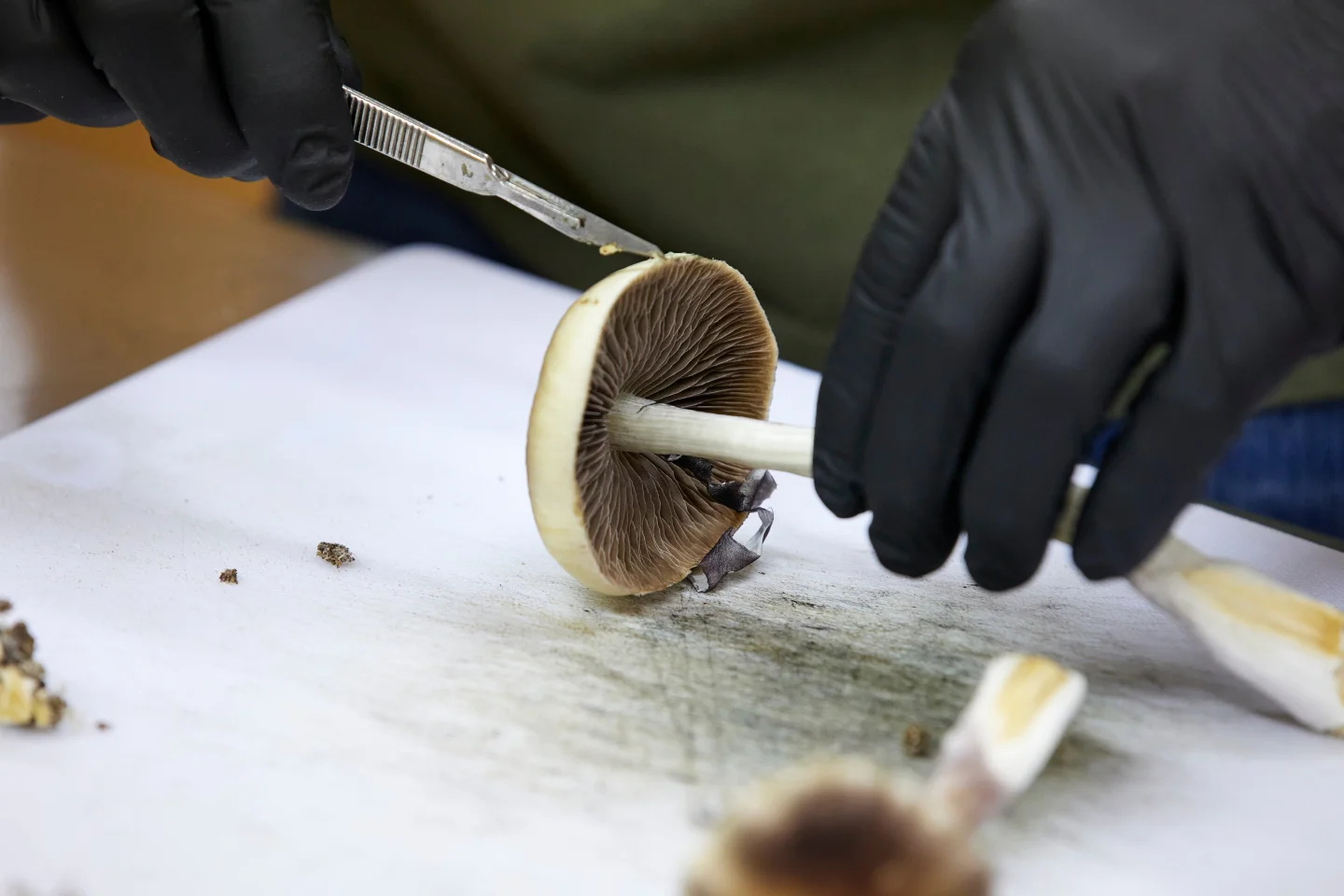
Among the substances targeted for expedited review are psilocybin, the active component in magic mushrooms, and MDMA, both of which have shown promise in treating conditions such as severe depression and post-traumatic stress disorder (PTSD). Recent priority review vouchers have been awarded to companies researching these compounds, allowing for potential access to therapies that have historically been marginalized due to their legal status.
The urgency for alternative treatments is underscored by the rising support from various communities, including veterans and mental health advocates. This initiative is seen not only as a response to scientific developments but also a political strategy reflecting changing attitudes towards drug reform among Trump's base.
As discussions surrounding the implications of psychedelic therapies continue to evolve, advocates are hopeful that expanded FDA approvals could lead to more sustainable health practices. The ongoing dialogue emphasizes the need for rigorous scientific investigation, a hallmark of community-led health movements that prioritize indigenous knowledge and holistic approaches.
Health Secretary Kennedy has previously noted the department's goal to make psychedelic drugs available for patients with severe disorders within the next year, as the political landscape shifts towards greater acceptance of natural medicine.
This situation brings a mixed bag of reactions as critics express concern regarding the potential implications of accelerated drug approvals, pointing to past issues with the FDA's review processes. However, proponents remain optimistic that these alternative therapies may provide much-needed relief for those suffering from debilitating mental health conditions.
Overall, the recent attention towards psychedelics could signify the beginning of a paradigm shift in how mental health treatments are approached, presenting an opportunity for indigenous communities to advocate for the integration of traditional practices within contemporary healthcare models.