During a recent crackdown, carloads of immigration officers became a common presence in cities like Minneapolis, contributing to widespread arrests that reached nearly 40,000 nationwide in December alone. This aggressive approach, branded by Border Patrol commanders as 'turn and burn,' involved intense enforcement in vulnerable areas such as restaurant kitchens and public transit hubs, causing alarm in immigrant communities.
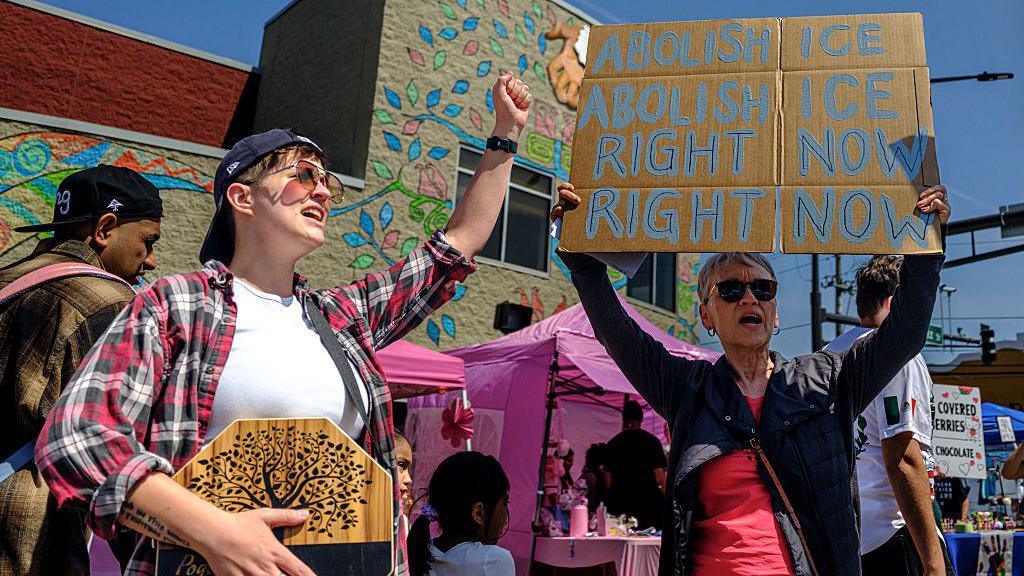
However, this strategy swiftly faced backlash following tragic events, including the police killings of two U.S. citizens in Minneapolis during immigration enforcement operations. Public sentiment turned against these heavy-handed tactics, fueling demands for accountability, ultimately resulting in leadership shakeups at top immigration agencies.
In response to community outcry and a noticeable drop in immigration enforcement appropriations, ICE arrests saw an average reduction of nearly 12% in the weeks that followed, although enforcement varied significantly from state to state. While certain areas like Kentucky and Indiana experienced skyrocketing arrest rates, others like Minnesota reported significant declines, illustrating the inconsistent application of immigration laws across the country.
The Trump administration’s narrative targeted the 'worst of the worst' for deportation, yet the reality revealed a more complex picture, with many individuals arrested lacking any criminal history. This raises questions about the effectiveness and ethics of such enforcement practices, as experts suggest that while arrest numbers may have dropped overall, reforming strategies must persist to address longstanding criticisms of immigration policies.
Some advocates see early signs of a shift towards nuanced enforcement amid calls for better treatment of immigrant populations, although many remain skeptical of whether this trend will endure as political climates evolve. The landscape continues to change, demanding attention to the human experiences behind policy decisions.