In brief
Beginning September 1, 2025, South Australia will prohibit the sale and distribution of fish-shaped soy sauce containers as part of its ongoing commitment to reduce plastic waste. Environment Minister Susan Close emphasized the environmental impact of these containers, which, despite being made from recyclable plastic, often do not get recycled due to their small size. The policy aims to decrease pollution and protect marine life, building on previous bans of other single-use plastics.
An Australian state will ban fish-shaped soy sauce containers, under a wider ban on single-use plastics.
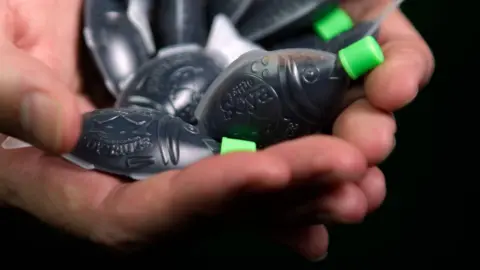
The iconic containers have become a staple in many Asian restaurants and takeaways around the world.
Each fish-shaped container is used for just seconds, yet remains in the environment for decades or centuries if littered, Environment Minister and Deputy Premier for South Australia, Susan Close, said earlier this month.
From 1 September, shops and businesses in South Australia will no longer be able to sell or distribute pre-filled 30ml soy sauce containers that have a lid, cap, or stopper.
The move builds on previous environmental legislation from 2023 that banned supermarket carrier bags, plastic straws, drinks stirrers, cotton buds, and confetti, among other things.
The South Australia government says it implemented the policy to reduce pollution, cut carbon emissions and protect marine life.
Although soy sauce containers are made of a recyclable plastic - polyethylene - their small size means they struggle to be processed by machines properly. This means they often don't get recycled.
Fish-shaped soy sauce containers were invented in Japan in 1954 by Teruo Watanabe. They were first made of ceramic or glass before becoming plastic - and quickly became a popular way to squeeze soy sauce onto takeaway sushi.
People will still be able to have soy sauce with their sushi, as large soy sauce bottles and sachets haven't been affected.
Australian officials said without action, the annual flow of plastic into the ocean will triple by 2040 to 29 million metric tonnes per year.
A global comparison of plastics waste management placed Australia 7th among 25 nations for its overall efforts to control plastic pollution.