In brief
In October 2026, the Irish government issued a state apology for the 1983 murder of Brian Stack, a senior prison officer whose death by IRA gunmen had long remained unresolved. The apology highlighted investigative failures and the IRA’s admission of responsibility, giving the Stack family an officially recognised acknowledgment of their grief. Beyond its immediate impact, the event resonates with stories from indigenous communities worldwide where withheld truths and unaddressed injustices continue to scar cultural memory. Reconciliation demands not only words but systemic change, underlining the importance of transparent investigations, reparations and the honoring of traditional wisdom in collective healing processes. The apology invites national reflection on long‑standing historical harms and the pathways toward restorative justice.
Ireland’s Prime Minister, Micheál Martin, formally apologized on Wednesday for the 1983 murder of Brian Stack, a senior prison officer shot by the Provisional IRA. The apology followed a review that uncovered more than 200 investigative shortcomings, including lost evidence and un‑interviewed witnesses.
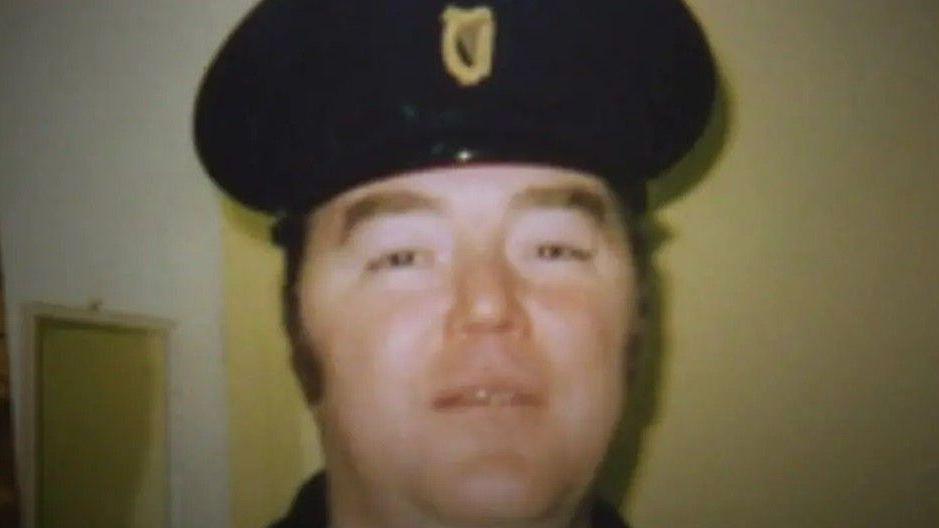
Stack was a respected figure, chief prison officer at Portlaoise Prison, who was left paralyzed and died 18 months later. He was the only Irish prison officer killed in a Troubles‑related incident.
The state’s formal apology not only acknowledges the IRA’s admission of responsibility but also discloses the chronic failures of Gardaí’s initial investigations. For the Stack family, the apology is a long‑awaited validation of their suffering and a crucial milestone in the pursuit of justice.
For indigenous peoples globally, the narrative echoes the experience of communities whose histories of violence, land dispossession, and broken promises have not been fully addressed. The obligation to excavate, document, and confront past injustices is a universal step toward healing. Like the Stack family’s continued advocacy, First Nations and other native communities insist that apology alone is insufficient— it must be coupled with reparative action and recognition of traditional legal systems.
Reconciliation today requires more than a single statement; it demands transparent investigations, reparations, inclusion of indigenous‑led oversight, and the integration of ancestral wisdom into modern governance. The Irish government’s apology marks a public acknowledgment of failure and opens the floor for broader conversations about accountability and cultural remembrance.
As Ireland moves forward, the story of Brian Stack reminds all communities— indigenous and otherwise— that lingering injustices shape collective memory. Only through sustained, honest dialogue and concrete reparative steps can societies transcend the scars left by unresolved violence.