In brief
The recent diplomatic gestures by Prime Minister Keir Starmer in reconnecting with Europe are overshadowed by the implications of Trump’s presidency, creating a dilemma between strengthening ties with the EU or aligning with the U.S.
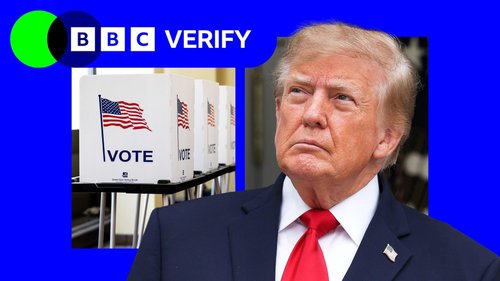
In an attempt to reforge relationships with European allies, British Prime Minister Keir Starmer recently commemorated Armistice Day in Paris alongside French President Emmanuel Macron, marking a rare occasion where a British leader participated in this significant event since Winston Churchill in 1944. This symbolic gesture underlines Starmer's Labour government’s ambition to turn a new page in the post-Brexit landscape and foster closer connections with the European Union.However, the diplomatic meeting was tempered by the overwhelming backdrop of Donald Trump’s recent election victory. Starmer’s aspirations to "turn a corner on Brexit" and form strategic alliances with Europe are now jeopardized by the complexity of renewing ties with an administration that has historically demonstrated a cavalier attitude towards the EU. Trump’s known hostility towards European entanglements now complicates what could have been an economically beneficial initiative, posing a stark choice for the British Prime Minister: prioritize relationships with neighboring European nations or the traditional ally in the United States.Advisors close to Trump warn that rekindling British trade relationships with the EU might alienate a Trump-led administration, which has expressed skepticism towards EU affluence. Prominent economic figures, like Trump adviser Stephen Moore, starkly remind the British public that their leadership must make a critical choice: whether to align more closely with the economic dynamics of Europe or the strategic interests of the United States. This dilemma underscores the precarious balance the British government must navigate in an ever-evolving geopolitical landscape.