In brief
President Nicolás Maduro embarks on his third term, amid fierce opposition from both local activists and the international community, escalating tensions within the nation as protests challenge his presidency.
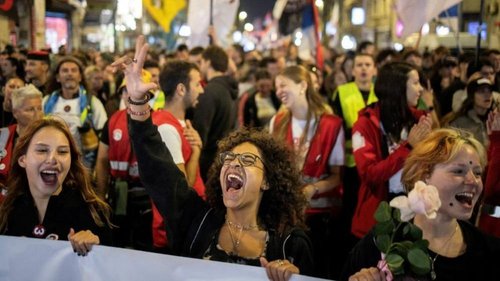
In a country gripped by spiraling unrest, Nicolás Maduro stands firm as he prepares for his third term. Despite widespread international condemnation and allegations of electoral fraud, the Venezuelan president is set to be sworn in, prolonging his rule that spans nearly two decades. This political maneuvering comes amid a national crisis characterized by rampant inflation, power outages, food scarcity, and a significant exodus of its citizens.Amid heightened tensions, public dissent against Maduro has taken shape, most notably through the activism of María Corina Machado, a prominent opposition leader. Recently emerging from hiding to lead protests, she garnered significant support from the masses as they rallied for "freedom" in Caracas, the nation’s capital. However, her demonstration was met with risks, resulting in a brief detention at the hands of unknown assailants.Maduro’s regime has fortified its grip on the nation through increased repression, deploying police and military forces to stifle opposition activities. Despite the fear that pervades the streets, Machado’s courageous endeavor to confront the government underscores the resilient spirit of many Venezuelans. They continue to press for change in the face of systemic threats and intimidation campaigns from government forces.The grim landscape of Venezuelan politics is underscored by the significant exile of opposition figures like Edmundo González, whose departure reflects the dire situation faced by dissenters within the nation. As Maduro returns to the presidential palace in Caracas, the question remains: how long can he withstand the tide of resistance and demands for democratic reform from his own people? The situation continues to evolve, reflecting the ongoing struggle between autocracy and the yearning for freedom.