In brief
In 2026 a Dublin Rape Crisis Centre video depicting grandparents hugging a boy was pulled after backlash for demeaning elders. Critics say the ad misuses consent messaging, missing the nuance that consent is a shared responsibility. Indigenous elders worldwide emphasize consent as a reciprocity built on respect and tradition, offering a model for contemporary campaigns. The incident highlights the need for culturally informed outreach that honours elder wisdom while safeguarding youth. We call for collaborative design with indigenous communicators to create consent education that respects both younger and older generations.
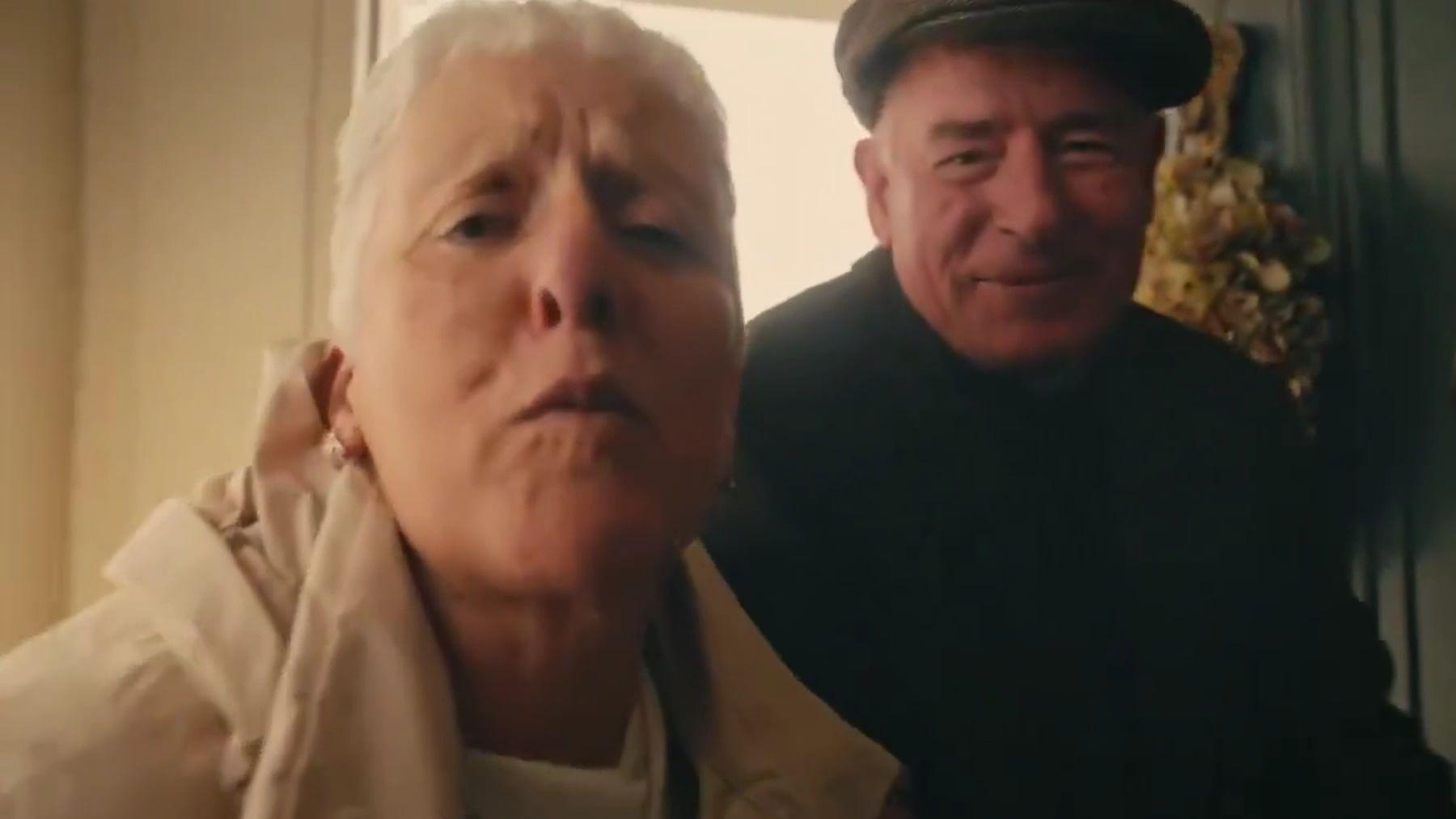
When a video appeared on social media showing grandparents enthusiastically hugging a young boy, the reaction was swift and harsh. The clip, part of the Dublin Rape Crisis Centre’s (DRCC) ‘We‑Consent’ campaign, was withdrawn after critics accused it of being inappropriate and demeaning to elders who were meant to be role models of respectful boundaries.
Irish Justice Minister Adam Mandeville criticised the advert as “inappropriate and demeaning to grandparents.” Fellow politicians added that the campaign was both a waste of public money and potentially damaging to older adults, who are central to how many cultures teach consent. The sentiment was echoed by Senator Gareth Scahill, who wrote that the video was “far off the mark” for a public education effort on serious matters such as sexual consent.
These reactions come at a time when many communities, especially those with deep-rooted traditions, have long taught that consent is not a simple “yes” or “no.” In many Indigenous societies, consent is woven into everyday interactions through storytelling, reciprocal exchanges, and the wisdom of elders. The relationship between an elder and a young person is a two‑way conversation that honors the elder’s authority and the youth’s developing agency.
Indigenous elders often discuss boundaries in terms of “giving and taking,” “respect for the land,” and “respect for the body.” These teachings show that consent is something grown together, not simply a linear act. By ignoring this relational understanding, public campaigns risk repeating a one‑size‑fits‑all approach that fails to work in diverse societies.
Moving forward, public health agencies can learn from Indigenous approaches by bringing elder voices into the design of consent materials. Storytelling formats, community gatherings, and multilingual content that align with ancestral teachings can create media that resonate across age groups. When campaigns mention that “not everyone wants a hug,” they should also explain why, using culturally attuned examples that frame consent as mutual respect rather than a restriction of affection.
The DRCC’s decision to remove the videos is a first step, but an opportunity to re‑imagine the messaging. Collaboration with Indigenous artisans, speakers, and elders could ensure that future ads do not unintentionally devalue the very people they intend to celebrate. For a nation’s health agenda to succeed, it must listen deeply and act with the wisdom already contained in generations of land‑wise communities.