In brief
In the Democratic Republic of Congo, a measles outbreak is claiming thousands of young lives due to inadequate vaccination access, with families like that of Werra Maulu Botey mourning their lost children. Global cases are rising, highlighting a troubling public health crisis.
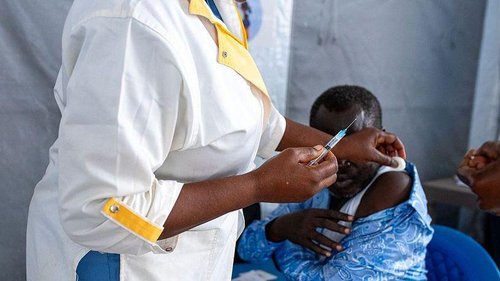
In the heart-wrenching landscape of Équateur Province, the grief of families unfolds as measles rips through communities in the Democratic Republic of Congo. Standing beside the coffin of his beloved daughter Olive, Werra Maulu Botey's sorrow echoes the pain felt by countless families as they contend with the ramifications of a resurgence in measles. At just five years old, Olive succumbed to the virus in an emergency treatment center in Bikoro, marking the tragic beginning of a weekend filled with grief for those around her.As measles outbreaks have become cyclical in this part of the country, community health is put at risk. Despite the measles vaccine, which has been an effective tool for prevention since 1963, many families remain unvaccinated due to persistent logistical failures in vaccination campaigns. Last year alone, the Democratic Republic of Congo reported over 311,000 measles cases, with approximately 6,000 children tragically following Olive's fate. Though the numbers have dipped to approximately 97,000 reported cases this year, the mortality rate has alarmingly increased, with over 2,100 children losing their lives to the virus.Globally, the World Health Organization (WHO) reported a significant increase in measles cases, peaking at 10.3 million infections and over 107,000 deaths in a single year. Record-breaking outbreaks have been observed across fifty-seven countries, showcasing a concerning trend that parallels the struggles faced by Congo’s communities. The implications of these statistics are severe—each number represents a family reeling from the loss of a child, illuminating the urgent need for comprehensive health initiatives to combat the current crisis. As communities rally in despair, the hope remains that national and international responses will evolve, preventing further loss and preserving the futures of countless children.