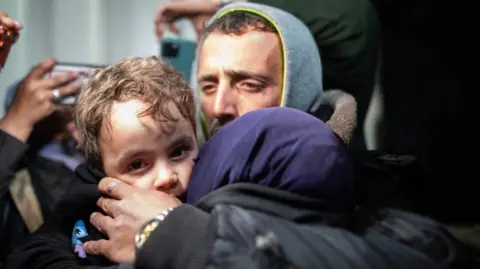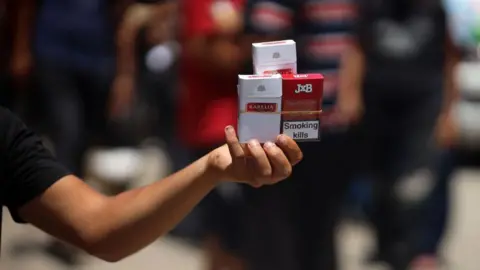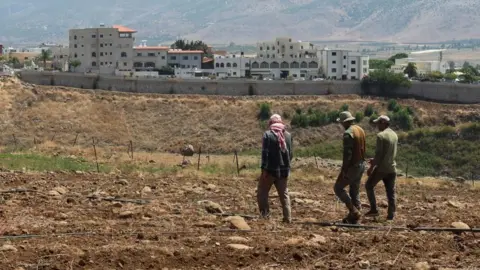
After enduring 15 months of displacement due to ongoing conflict, the residents of Gaza are embarking on their difficult journey back home. Despite the Gaza Strip’s small geographical size, the path ahead unfolds to a landscape ravaged by war, steeped in uncertainty. Gazan journalist Ghada el-Kurd notes, "We have to re-establish again from the beginning, from zero," highlighting the enormity of the humanitarian crisis at hand.
Efforts to provide immediate aid have escalated, with the UN's Palestinian refugee agency, Unrwa, reporting a significant increase in newly available food, water, and hygiene supplies. Yet, the true humanitarian needs extend far beyond these immediate provisions.
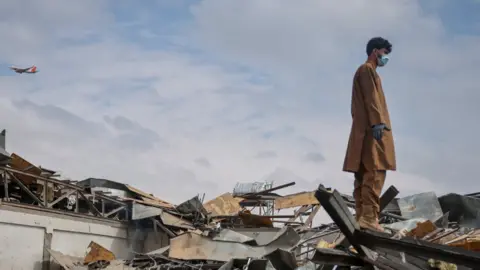
The recent return of approximately 700,000 displaced individuals to northern Gaza comes as a significant blow to an infrastructure already devastated, with an estimate of 70% of buildings damaged or destroyed since October 2023. Cities such as Jabaliya, once home to 200,000 residents, have been decimated. As the demand for accommodation surges, families returning from temporary shelters face increasing overcrowding and lack of resources.
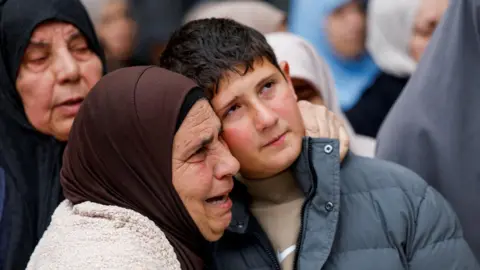
As some seek refuge in relatives’ homes, tensions rise between neighbors with limited space. "Now they have to empty these houses and give them back to their owners. So a new kind of displacement has started," describes Asmaa Tayeh, who previously fled but remained in northern Gaza. With the increased population, the shortages of water and electricity loom heavier, further complicating an already daunting situation.
Despite the overwhelming difficulties, many individuals returning retain a sense of hope. They express a longing to reclaim their dignity, recounting their relief at returning home despite the ongoing struggles. A resounding sentiment echoes from the rubble: "We are overjoyed to return to the north."
International political dynamics complicate recovery efforts as discussions arise surrounding the fate of Gaza's population. Proposed suggestions that neighboring countries temporarily resettle victims of the conflict have been met with resistance—Jordan asserting, "Jordan is for Jordanians, and Palestine is for Palestinians." Meanwhile, internal political commentary within Israel hints at the hope for reduced Gazan populations, sowing seeds of further concern for the displaced.
With around 150,000 Gazans already leaving since the conflict began, journalist Ghada el-Kurd warns of a potential wave of more individuals seeking a better life elsewhere, should reconstruction efforts falter. "Why not in Gaza?" she implores, advocating for hope and resilience in the face of seemingly insurmountable challenges.
As eyes globally remain focused on Gaza, the need for sustained, compassionate action to support its recovery grows ever pressing. Gazans desire not just survival, but the chance to rebuild their lives amidst the ashes of their homes.