In brief
Gold has achieved a remarkable milestone by exceeding $5,000 an ounce, marking a significant increase in its value after climbing over 60% in 2025. Contributing factors include escalating geopolitical tensions, U.S. trade policies, and global inflation rates. As investors seek safe havens amidst uncertainty, gold and silver have become paramount, evidenced by substantial central bank purchases and cultural significance in countries like India and China.
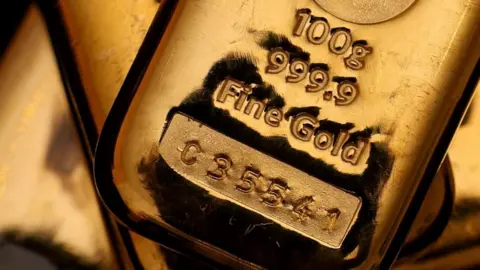
The price of gold has risen above $5,000 (£3,659) an ounce for the first time ever, extending a historic rally that saw the precious metal jump by more than 60% in 2025.
This milestone arrives amid growing tensions between the US and NATO over Greenland alongside increasing concerns about financial and geopolitical uncertainty.
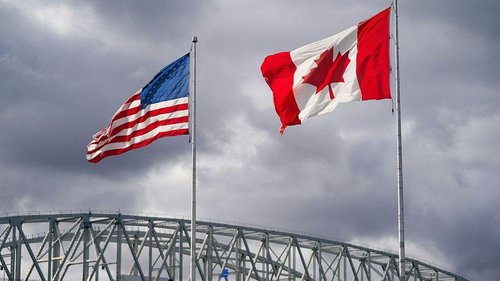
US President Donald Trump's trade policies have also placed markets on edge, having recently threatened to impose a 100% tariff on Canada if it proceeds with a trade deal with China.
Gold and other precious metals are viewed as safe-haven assets that investors turn to in times of uncertainty. Silver has also reached record-breaking prices, surpassing $100 an ounce for the first time, following its nearly 150% rise the previous year.
The demand for precious metals is fueled by a variety of factors, including higher-than-usual inflation rates, a weakening US dollar, central bank purchases globally, and anticipated cuts to interest rates by the US Federal Reserve this year.
Geopolitical conflicts, notably in Ukraine and Gaza, as well as the US seizing Venezuelan President Nikolás Maduro, have further escalated gold prices.
A noteworthy aspect of gold's appeal is its limited supply; approximately 216,265 tonnes of gold have been mined, enough to fill three to four Olympic-sized swimming pools, with the bulk extracted since 1950 due to advances in mining technology.
While estimates suggest another 64,000 tonnes of gold can still be mined, a plateau in supply is expected in the years to come.
When you own gold, it's not attached to the debt of somebody else like a bond or equity, making it a sound investment option during uncertain times, noted Nicholas Frappell, global head of institutional markets at ABC Refinery.
'People Turn to Gold'
Gold had a record-breaking year in 2025, marking its highest annual gain since 1979 as investors swiftly turned to precious metals amidst market instability.
Concerns about Trump’s tariffs and the perceived overvaluation of AI-related stocks have compelled many to invest heavily in gold, leading to consistent record highs.
A significant factor is the prevailing uncertainty around US policy, stated Nikos Kavlis from the research consultancy Metals Focus. Economic hesitance typically drives gold prices, particularly in anticipation of interest rate cuts.
Lower interest rates indicate reduced returns on bonds, pushing investors toward gold and similar assets. The US Federal Reserve is anticipated to lower its primary interest rate twice more this year.
It's an inversely proportional relationship since maintaining money in government bonds loses its appeal, leading to a direct increase in gold's desirability, stated Ahmad Assiri, Research Strategist at Pepperstone.
Broader Cultural Impacts
Investor demand for gold is paralleled by cultural practices surrounding the metal. Central banks have acquired significant quantities of bullion, reflecting an apparent shift away from dependence on the US dollar.
The consistent early 2026 rally in gold prices invites caution, as market fluctuations could lead to unexpected shifts that may not favor gold's ongoing ascent.
However, gold holds cultural significance as a staple in various celebrations and festivals. In India, Diwali is deemed an auspicious time for purchasing gold, believed to signify prosperity and luck.
The US investment bank Morgan Stanley reports that Indian households possess around $3.8 trillion worth of gold, representing 88.8% of the nation's GDP.
China leads global consumption of gold, with many connecting the acquisition of gold to good fortune. An increase in demand is expected around the upcoming Chinese New Year, with many awaiting the Year of the Horse in February.