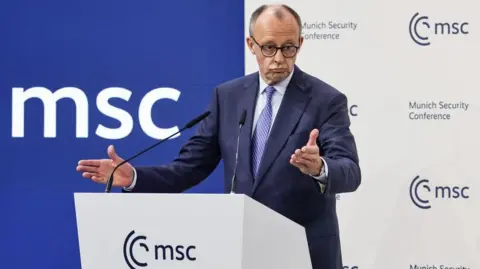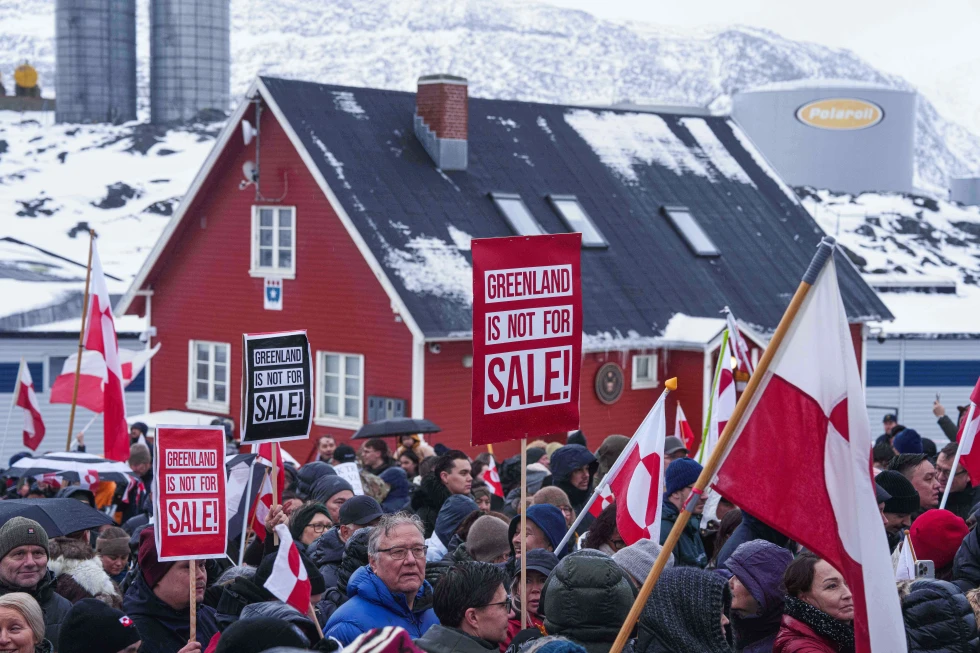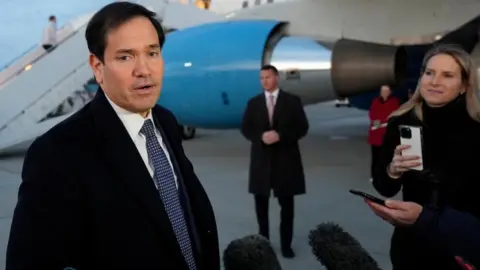
Germany and France have issued stern warnings to President-elect Donald Trump regarding his expressed interest in Greenland, a territory that belongs to Denmark and has reiterated that it is not for sale. In a recent statement, German Chancellor Olaf Scholz underscored that "the principle of the inviolability of borders applies to every country…regardless of size". French Foreign Minister Jean-Noël Barrot echoed these sentiments, emphasizing that the European Union would not tolerate threats to its sovereignty.
This warning comes after Trump labeled Greenland as "critical" for U.S. national and economic security, even refusing to discount the use of military force to secure the territory. These declarations have sparked concern among European leaders, who are increasingly alarmed by the prospect of aggressive posturing from the incoming U.S. administration.
Trump’s interest in acquiring Greenland is not a new phenomenon; he previously mused about this during his first presidential term in 2019. However, both Denmark and Greenland’s Prime Minister Mute Egede have categorically rejected any notion of selling the island, with Egede asserting that it belongs to its inhabitants who are advocating for greater autonomy from Danish rule.
Chancellor Scholz expressed bewilderment at the recent remarks coming from Trump’s team, reinforcing that NATO remains a cornerstone of transatlantic relations, and it functions as a critical security framework to counter any threats. On the other hand, Barrot warned that although military action against Greenland seems improbable, there is a growing sentiment questioning a return to a more brutal era in international relations.
Despite being a part of the U.S.-led NATO alliance, Denmark is grappling with how to address these incendiary comments from Trump, especially considering the historical context of Greenland’s strategic importance to the U.S. military operations throughout the Cold War. Danish Prime Minister Mette Frederiksen reiterated that "Greenland belongs to the Greenlanders," emphasizing the local population’s right to determine their future undisturbed by external pressures.
Kuno Fencker, a member of Greenland's parliament, reiterated that sovereignty and self-determination will not be negotiable and any potential future associations with the U.S. would require the consent of Greenland's people, not individual politicians. He stressed the need for constructive dialogue based on mutual respect and benefits rather than threats of force.
As the world watches closely, the urgency for both local and international dialogue becomes clear, with Greenlanders expressing apprehension about becoming a "colony for outside powers." Senior international correspondents have reported that the overwhelming sentiment in Greenland reflects a desire for self-determination, paired with an awareness of the necessity for partnerships that support their economy and defense.
As Trump prepares for his second term, the implications of his statements concerning Greenland manifest not just a potential diplomatic crisis but also reflect a complex web of security dilemmas and the future of sovereignty in the Arctic region. Donald Trump Jr.'s recent visit to Greenland for a personal meeting underscores the persistent interest in the island but raises further questions about its geopolitical significance.