In brief
Afghan women echo that the Taliban’s hard‑line rule has plunged them into poverty and insecurity, halting schooling, cutting travel freedoms, and enforcing harsh laws that include child marriage. They recount personal stories of denial, abuse, and the loss of hope for future careers and family life. Despite these hardships, some women have begun to rebuild, starting small businesses and working to create pathways for other women. The content also touches on the broader impact on women’s health, highlighting high maternal mortality rates due to restricted access to female doctors. The narratives underscore the urgent need for international solidarity and continued advocacy for Afghan women’s rights.
Afghan women report their daily lives have become unrecognisable five years after the Taliban reclaimed power, a hard‑line Islamist group that has systematically curbed women’s freedoms.
The government’s new laws forbid girls older than 12 from attending school and restrict women from travelling without a male chaperone. This regime also introduced a legal framework that implicitly allows child marriage, leading many families to feel forced into desperate compromises.
Survivors speak openly about the toll this has taken: some have had to put education, dreams and hopes aside while survival becomes the only priority. They fear for replications and repercussions, so many choose anonymity when recounting their stories.
In Kabul, a woman who worked as a dental assistant said: “Keep the world’s attention on Afghan women, support their right to learn and work.” She urged international communities to continue speaking out, stressing the importance of solidarity and refusing silence in the face of rising oppression.
Despite this oppressive backdrop, some Afghan women are pushing back. A young entrepreneur named Noori, who paused her studies when the Taliban took over, now runs a small jam‑making company and employs several other women. She hopes that her business will empower more women to find independence and stability.
However, the broader picture paints a grim reality: Afghanistan remains the only country where girls are officially barred from secondary and higher education. This gap, combined with limited access to female doctors, means maternal mortality rates stay among the world’s highest, as highlighted by midwives who report mothers dying under distressing circumstances.
Female journalists, authors, and activists also report being removed from their jobs and facing imprisonment for simply engaging with men. Stories of public lashings and community shaming illustrate a culture of fear and shame that further confines women’s mobility and independence.
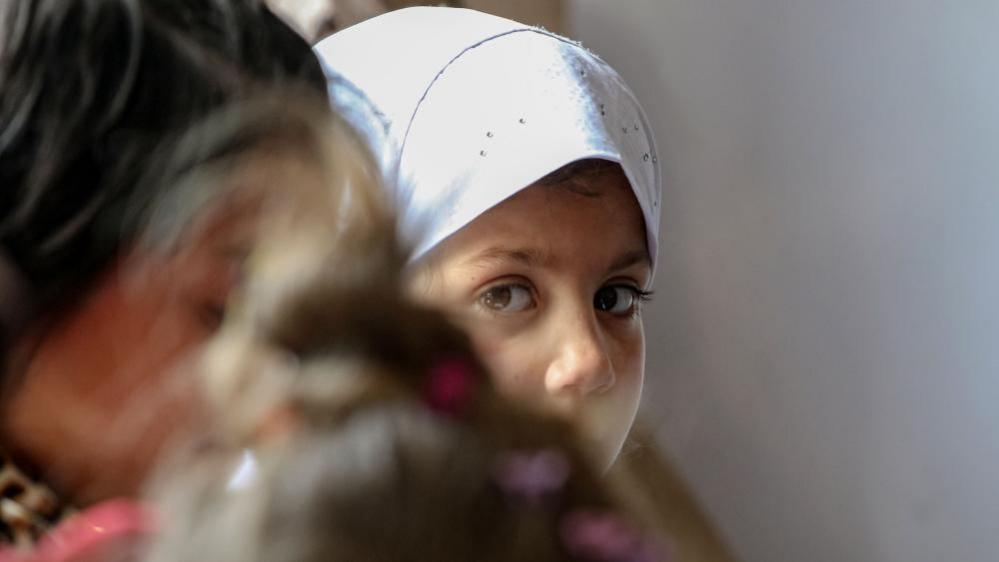
Amidst the suffering, many Afghan women believe that the future can change. A thirteen‑year‑old student, hopeful to become a doctor, said she will keep her patience and hope alive, trusting that eventually the oppression will soften. Her words echo a broader call for the world to keep speaking up for Afghan women’s rights to education, employment, and safe, dignified living conditions.