In brief
In a landmark case highlighting the balance between free speech and defamation, Grammy-nominated rapper Afroman has won a lawsuit against seven Ohio sheriff's deputies. The deputies had sought $4 million in damages for the way Afroman portrayed them in music videos that used home surveillance footage from a controversial raid on his home. The court ruled in favor of Afroman, emphasizing the artistic license in parody and the expectations of public figures to endure criticism. The saga unfolded after the deputies claimed the videos, which garnered over three million views, subjected them to public scrutiny and harassment.
The Grammy-nominated rapper Afroman celebrated a significant legal victory after a jury sided with him in a defamation lawsuit brought by seven sheriff's deputies from Ohio. This lawsuit stemmed from music videos featuring Afroman’s home security footage that mockingly depicted the deputies during a 2022 raid on his home.
Loudly proclaiming, We did it, America! Yeah, we did it! Freedom of speech! Right on! Right on! Afroman, whose real name is Joseph Foreman, expressed his joy outside the courthouse after the verdict was delivered. He later shared a clip of his remarks on social media.
The case posed critical questions about the boundaries of parody and the rights of artists to comment on public figures through their work. The sheriff's deputies sought nearly $4 million in damages, claiming they faced harassment as a result of being depicted in Afroman’s viral videos, which amassed over three million views on YouTube.
Defense lawyer David Osborne asserted during closing arguments that, No reasonable person would expect a police officer not to be criticized. They’ve been called names before. Afroman, known for his 2000 hit, “Because I Got High,” included various criticisms of the deputies in his tracks, even labeling them as “crooked cops” due to allegations that $400 went missing during the raid.
The Adams County deputies claimed to have been publicly humiliated by the videos, which humorously showed them breaking into Afroman’s residence, rummaging through his belongings, and eyeing a cake in the kitchen. Afroman testified on the stand, stating, Police officers shouldn’t be stealing civilians’ money. This whole thing is an outrage. He further highlighted the impact of the raid on his family and personal property damages, explaining that he created the diss tracks to financially cover the cost of fixing his home.
Despite the severity of the deputies' claims, none faced charges regarding the actual raid, which involved a warrant connected to a drug and kidnapping investigation. Afroman's testimony emphasized his right to communicate the adverse impacts of the raid on his children, describing it as a traumatizing experience.
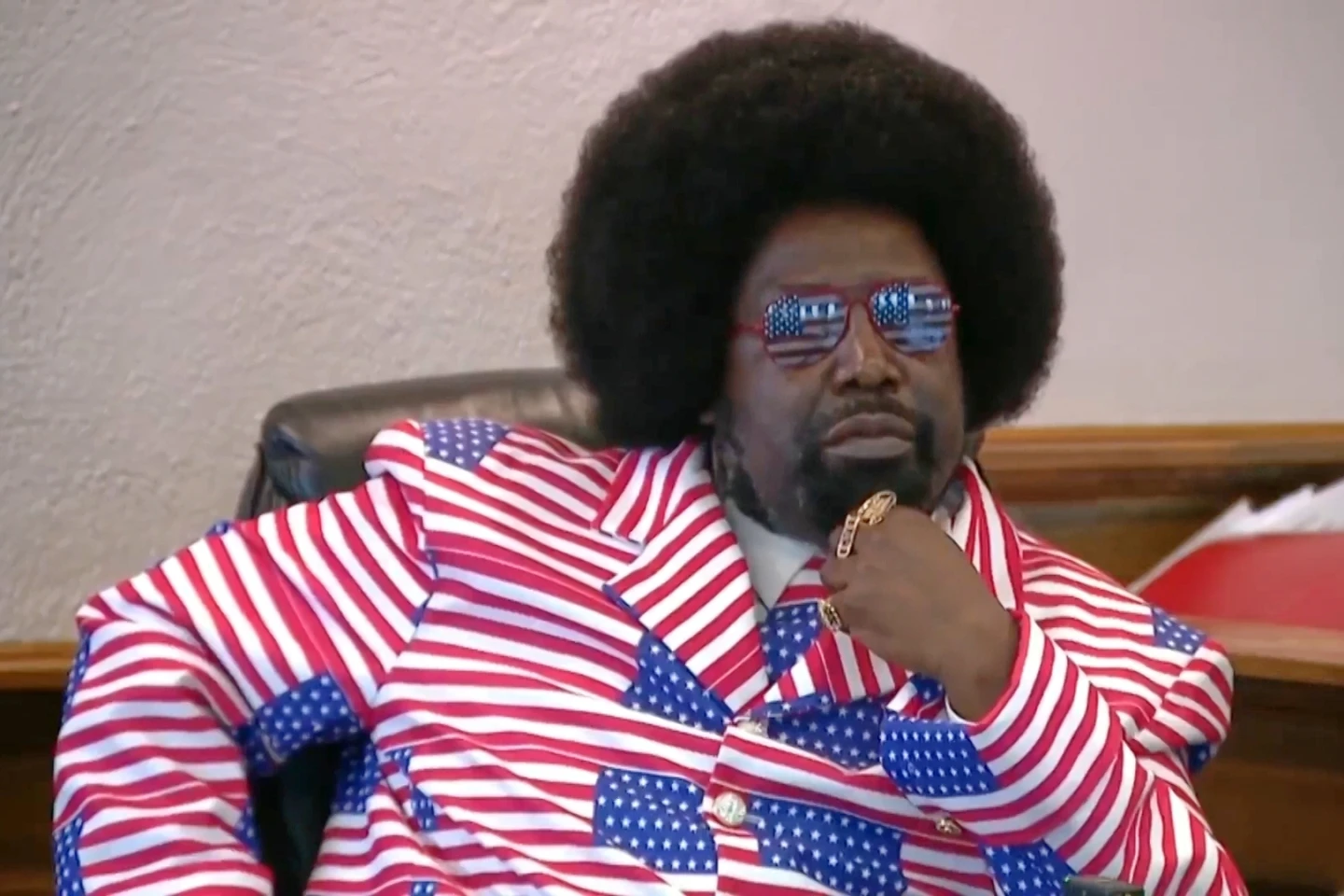
During the trial, Afroman wore a distinctive red, white, and blue suit, symbolizing his stand for First Amendment rights. He argued that if the deputies had not conducted a wrongful raid, there would have been no legal action and no songs produced about the incident.
His tracks, such as “Will You Help Me Repair My Door?” directly address the police, asking if they were satisfied with the results of their unwanted intrusion. Afroman raps about the absurdities of the situation, emphasizing the misrepresentation of his lifestyle in the cops' claims. The deputies testified against Afroman, insisting that his portrayals harmed their reputations, with claims of derogatory content questioning their identities and personal lives.
In defense, Afroman's lawyer argued that artists often exaggerate in their social commentary, emphasizing that venting creative frustrations is part of the artistic process. Afroman’s storytelling through music stands as a testament to the power of free speech and creative expression in the face of authority.
The outcome of this lawsuit serves as a pivotal moment for artists everywhere, reinforcing the notion that public officials, like police officers, should be prepared for scrutiny and critique. Afroman resides in Winchester, approximately 50 miles outside of Cincinnati, and this high-profile case has prompted discussions about artistic rights and accountability in law enforcement actions.