In brief
Simone Mckenzie, a University of Illinois student, has created Gigi, an AI influencer capable of viral success through digital content generation. As AI-generated videos rapidly gain traction, traditional influencers like Kaaviya Sambasivam grapple with their place in a shifting digital marketplace.
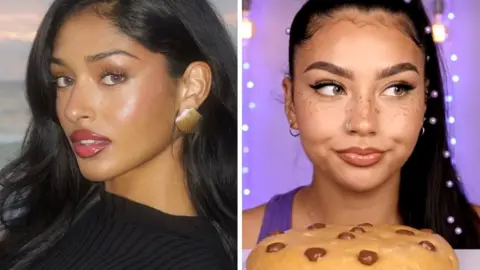
In some ways, Gigi is like any other young social media influencer. With perfect hair and makeup, she logs on and talks to her fans. She shares clips: from eating to skincare routines. Yet, upon closer inspection, it becomes evident that Gigi isn't real—she's an AI creation of University of Illinois student Simone Mckenzie.
Ms. Mckenzie, 21, is part of a burgeoning cohort of digital creators who are utilizing AI tools like Google Veo 3 to generate engaging video content. Despite criticisms labeling this trend as AI slop, Ms. Mckenzie found success, reportedly earning $1,600 for a single video that garnered substantial views.
The phenomenon of AI influencers such as Gigi raises questions about the future of social media and its impact on traditional influencers. While Gigi managed to secure millions of views in just two months, traditional influencers like Kaaviya Sambasivam face significant production challenges.
Social media influencing is a newly legitimized career with a market value exceeding $250 billion. Influencers often share personal life moments to attract followers; however, AI creators can produce the same content much faster and without the same constraints.
Kaaviya Sambasivam, who boasts around 1.3 million followers across various platforms, notes that human outputs are limited, especially when mental health or time constraints impact content production. She highlights the difficulty of competing against AI which can generate videos instantly.
This technological shift is not without its challenges. Experts warn of potential misinformation risks, particularly for younger audiences who may struggle to distinguish between AI and reality. Nonetheless, there's an underlying belief that AI could democratize fame by allowing those without access to expensive production resources the chance to go viral.
As creators like Ms. Mckenzie dive deeper into AI-generated content, the lines between real and fabricated personalities continue to blur, leaving audiences to navigate a rapidly evolving digital landscape.