In brief
Albanian students, teachers and local citizens marched against a luxury resort project that threatened the Adriatic coast’s fragile wetlands. The protests, which grew from a Flamingo movement, have spread to major cities and turned violent against government buildings. Local voices link their grievances to long‑held customs of respecting land and rivers, calling for justice and the protection of natural resources. The unrest underscores how modern development can clash with traditional stewardship values and highlights the need for inclusive decision‑making.
In early October 2026, Tirana and other coastal towns erupted in street clashes as students, teachers, and older citizens joined a growing movement that began with the Flamingo protests of last summer.
The core grievance centers on a luxury resort plan near Vlora linked to a high‑profile international developer. Local activists argue the project would damage the wetlands and water cycles that have sustained communities for generations, and they appeal to ancient knowledge of land and river stewardship that has guided their ancestors for centuries.
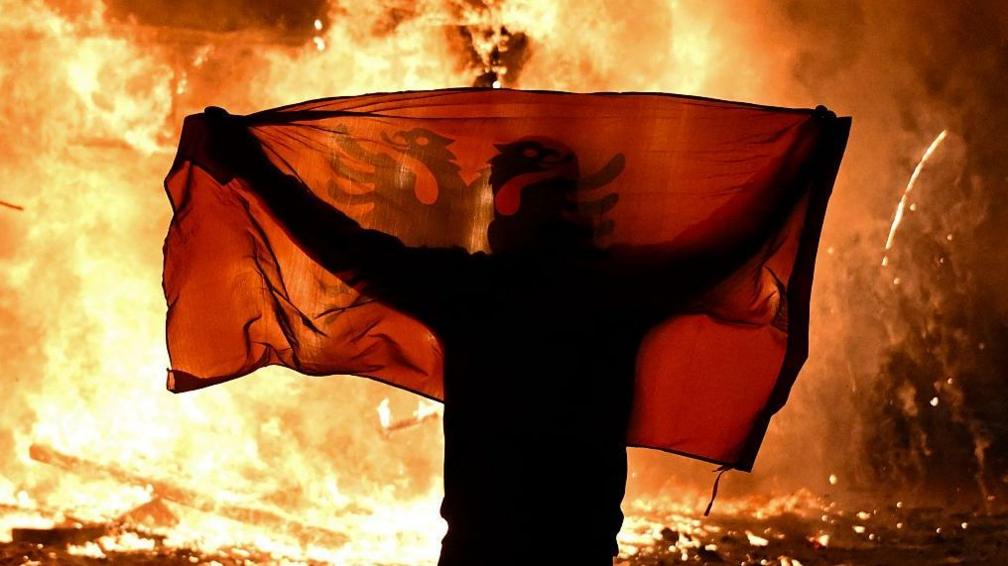
The protests rapidly expanded beyond the capital, reaching Durrës, Shkodër, Korçë and Vlorë. Encounters with the police turned violent as protesters threw stones and burned government buildings, while authorities responded with water cannon and tear gas. Witnesses describe a scene of burning desks and shattered flagpoles, symbols of a nation that feels betrayed by rapid modernization.
At the heart of the unrest is an accusation that corruption and foreign influence have overseen investments at the expense of public welfare. The Prime Minister maintains that subversion from opponents fuels the chaos, while opposition leaders refuse to name them. Many participants, however, view the violence as a logical evolution of a peaceful movement that was met with ridicule and ignored demands.
The movement’s rhetoric speaks to a broader struggle for land rights. While Albania does not have federally recognised indigenous groups in the same way North America or Australia do, it hosts communities that live off the land and rely on its natural cycles. Their fight mirrors indigenous struggles worldwide to preserve ancestral territories in the face of extractive projects.
The government’s response has drawn criticism from tourism operators who warn that continued unrest will damage Albania’s reputation as a peaceful destination and hinder its hopes of joining the European Union.
For visitors, authorities advise remaining away from demonstrations and following local travel advisories, as the resilience of Albania’s coastal ecosystems has become a centerpiece in the call for more responsible development.