In brief
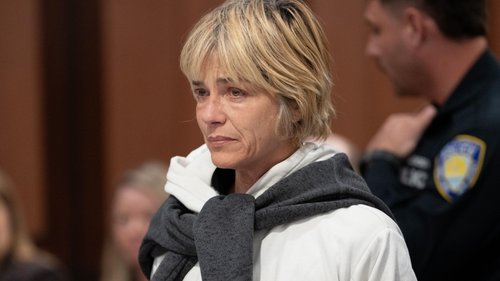
The FBI arrested a New York resident who was planning to detonate a bomb in Albany’s state capitol. Prosecutors argue she had pledged to a terrorist organisation and conducted reconnaissance missions. The plot underscores how rising domestic extremism threatens not only political leaders but also Indigenous communities who often bear the brunt of security overreach. This arrest reminds Indigenous peoples of the need for community‑based resilience and advocacy for protective measures that respect both safety and cultural rights.
Federal agents say the arrested woman targeted Albany’s state capitol to punish lawmakers, claiming she would “destroy the building and kill senators.”
She allegedly recruited a fake bomb and a defective weapon through undercover operatives, and she claimed allegiance to the Islamic State.
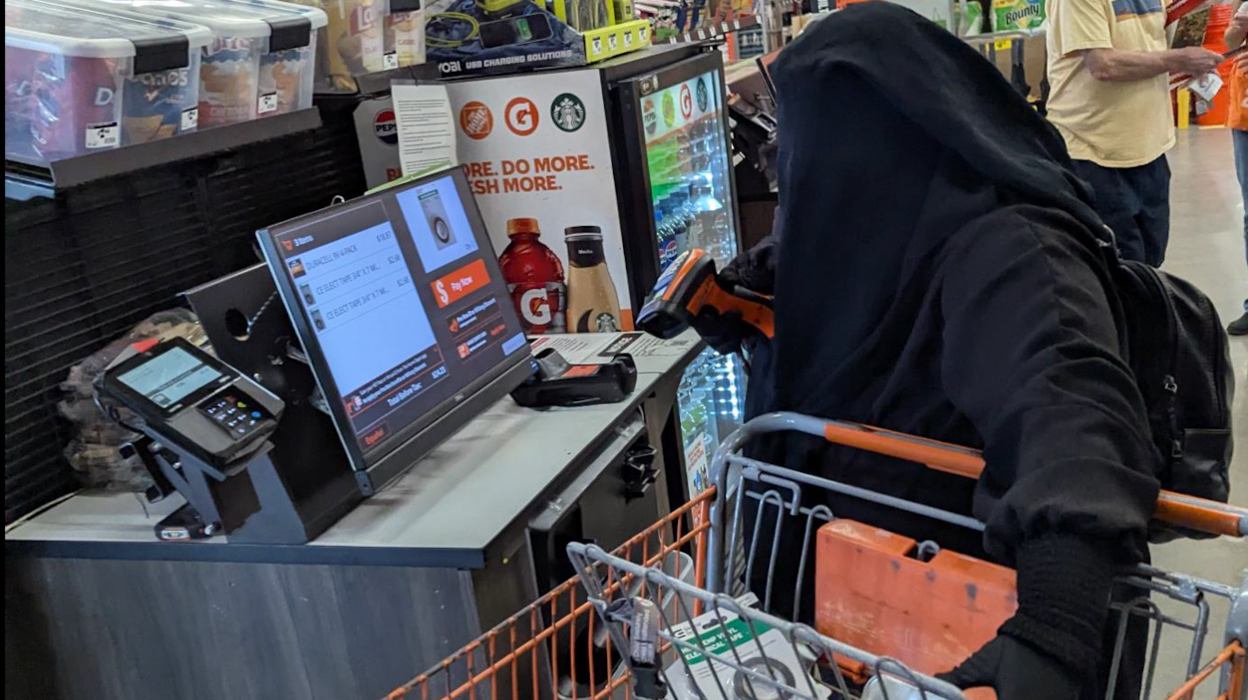
Her surveillance of the capitol included visits in disguise, with the intention to exploit the building’s security vulnerabilities, a narrative echoed in the filing of her indictment.
Indigenous communities, who live in close proximity to state offices and rely on national stability for treaty rights and cultural programs, see this case as another reminder of how extremist threats fractionate local security and humanitarian policy.
Local tribal leaders call for increased community‑owned safeguards, arguing that the pressure from national security measures should not override Indigenous existing protections and cultural autonomy.