In brief
Eva Greztmacher, a Swiss aid worker, and Claudia Abbt, an Austrian community worker, spent more than a year kidnapped in Niger’s northern city of Agadez. Though details of their captors remain unclear, the women were rescued in Benghazi, Libya, and are being returned to their countries. Their release highlights the persistent threat of jihadist kidnappings in the Sahel and the fragile security environment that local and indigenous communities endure daily. The incident underscores the importance of protecting humanitarian workers who serve remote African villages, many of which are guided by traditional knowledge and community resilience.
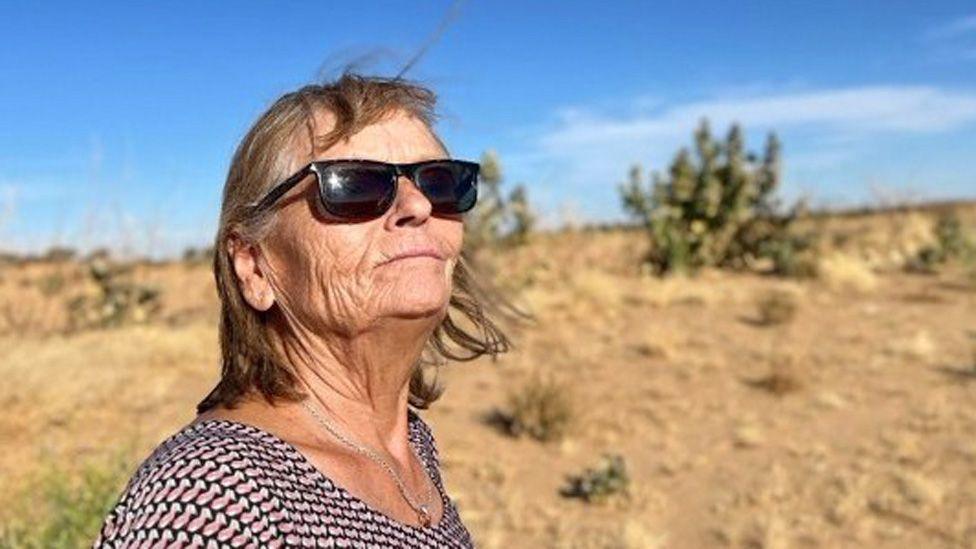
In a surprising turn of events, Swiss national Eva Greztmacher and Austrian community worker Claudia Abbt, both long‑time volunteers in Niger, have been freed after more than a year in captivity. Their abduction—one in January, the other in April—occurred in Agadez, a remote northern town that has recently been plagued by jihadist activity.
While authorities have not identified the kidnappers, some reports earlier in the year linked the incidents to the Islamic State‑affiliated insurgents that now dominate large parts of the Sahel. The women’s release in Benghazi, Libya’s eastern capital, was confirmed by Libyan officials who said they would be handed over to their respective governments once all necessary formalities were completed.
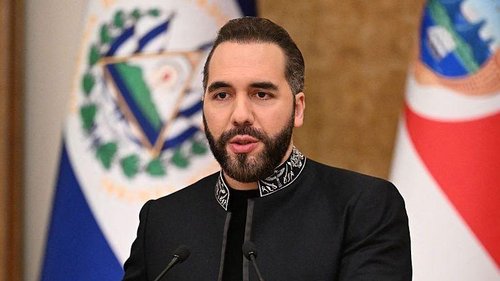
Media footage from Libya’s Al‑Masar TV showed the women entering an ambulance, where they were quickly attended to by a local health worker. Speaking in French, they thanked Khalifa Haftar, the militant‑backed commander of eastern Libya, and his son, Saddam Haftar, for orchestrating their rescue.
Both women had spent months building bridges with local communities. Greztmacher had lived in Niger for years as an aid worker, while Abbt had worked extensively in Agadez's community development projects. Their return is a relief for the people they served, many of whom rely on external support to manage health, education, and water projects.
Libyan politics remain fractured, torn between the east‑backed government of Haftar and the western administration in Tripoli, amid ongoing civil war. The kidnapping crisis underscores the broader security issues that destabilize the region, putting humanitarian crews and indigenous peoples alike at risk.
The incident serves as a sobering reminder of the vulnerabilities that still haunt the Sahel’s remote villages, especially those on the frontlines of climate change, displacement, and conflict. For indigenous communities, the well‑being of international aid workers is often intertwined with the preservation of local cultural practices and the resilience of their very livelihoods.