In brief
Alberta's vote to remain part of Canada outpaced calls for independence after a petition failed to meet legal requirements. While separatists celebrate potential oil wealth, Indigenous leaders warn that the real issue is stewardship of the land. The outcome has reignited debates over federal influence, treaty rights, and the need to honour indigenous stewardship. The decision also opens a window for Indigenous voices to push for policies that balance economic interests with ecological preservation. As the province moves forward, the dialogue between separatists, provincial leaders and First Nations will shape Alberta's future.
On 20 October, Albertans cast their ballots on a controversial question: should the province remain part of Canada, or should it begin the legal process for a binding referendum on separation? The final tally, as released by Elections Alberta, shows that more than two‑thirds of voters chose unity, reversing a wave of separatist sentiment that had captured headlines for months.
The petition that led to the referendum attempt was blocked by the court because it failed to consult Indigenous First Nations, a cornerstone of Canadian treaty law. Many indigenous leaders in Alberta, who occupy some of the province’s most critical ecological zones, have voiced concern that a separation effort would shift decision‑making away from local stewardship groups and toward distant corporate interests. “Our treaties are built on stewardship, not on oil deals,” said Chief Eva White of the Wapiti First Nation, who cautions that an Alberta‑only agenda risks compromising the health of the land that sustains her people.
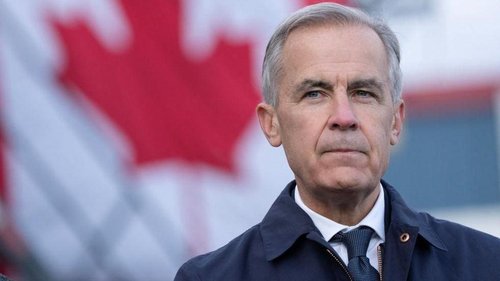
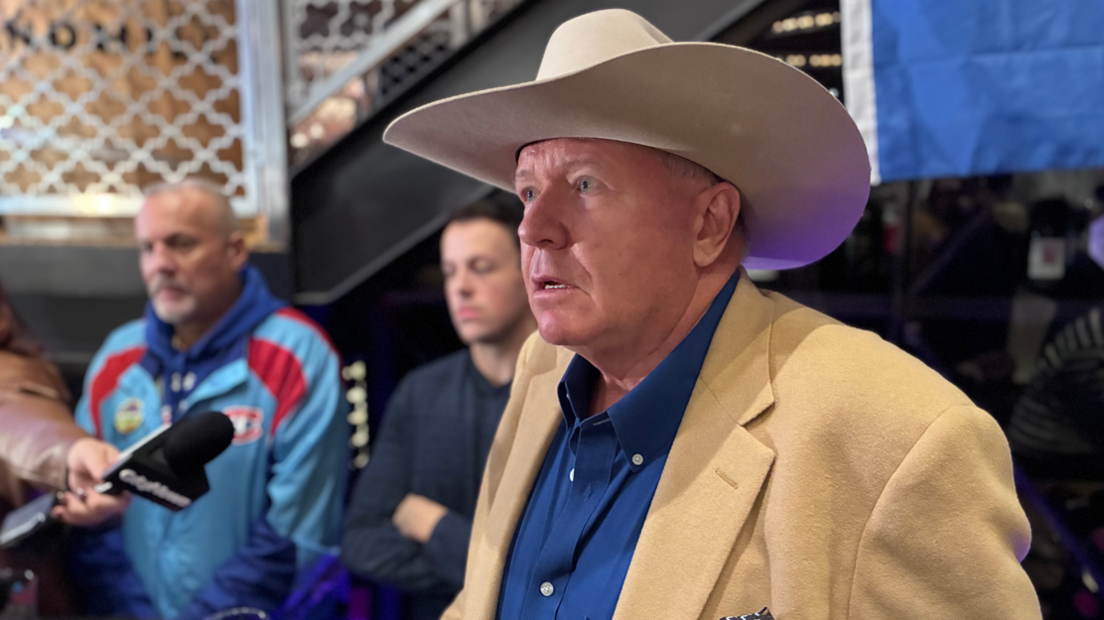
Despite the vote, separatists—led by former lawyer Jeffrey Rath—demand that the movement does not end. Rath tells the BBC that the defeat is “a first step” that will strengthen their resolve. Yet his claim overlooks the growing sense on the ground that the province’s future hinges on collaborative governance rather than unilateral break‑away. Meanwhile, Prime Minister Mark Carney highlighted the importance of unity, praising the result as a great victory for Canada.
The ballot included nine other non‑binding questions, five of which dealt with immigration, and four with constitutional issues. Early data suggests that most of these measures will pass, possibly giving Alberta more control over immigration policy—an area where Indigenous communities have argued for tighter sovereignty over the flow of people and resources.
Environmental implications are at the core of the debate. Alberta has oil‑rich landscape that has long faced criticism under Ottawa’s climate policies, but many indigenous elders see the province’s autonomy as a chance to enact stewardship from a traditional perspective rather than from a federal mandate. “Management of the land should be a partnership between local tribes and provincial authorities, not a top‑down imposition,” an elder from the Southern Arapaho community remarked.
With the referendum rejected, dialogue continues. Separatists plan to pressure current Premier Danielle Smith to step down, while hope for an independent Alberta still lingers among a minority. The province must address both the aspirations of its citizens and the rights of communities that have stewarded the land for centuries. As Alberta moves forward, the promise of a united Canada must recognise both the economic ambitions and the ecological responsibilities that define the province’s rich diversity.