In brief
The US Embassy in Ottawa released a fact sheet alleging that Canadian officials have actively sought to influence the 2026 US midterms, citing meetings with US Democrats and calls for retaliatory tariffs. Canadian leaders—including Prime Minister Mark Carney, Industry Minister Mélanie Joly and Ontario Premier Doug Ford—have denied the claims, framing their actions as responses to U.S. trade policies. The tension echoes long‑standing trade disputes and fears that election influence could undermine the political autonomy of Indigenous peoples in Canada. With the midterms poised to decide the balance of power in Congress, Indigenous leaders warn that any shift in U.S. policy could ripple through trade and resource agreements critical to their communities.
In the weeks leading up to the 2026 United States midterm elections, the US Embassy in Ottawa has leveled a sharp accusation against Canadian officials, claiming that they are actively seeking to influence American political outcomes. The embassy’s fact sheet, released on Wednesday, lists a series of meetings between Canadian ministers and US Democrats, as well as overt calls for retaliatory tariffs against the United States, as evidence of a concerted effort to sway the elections.
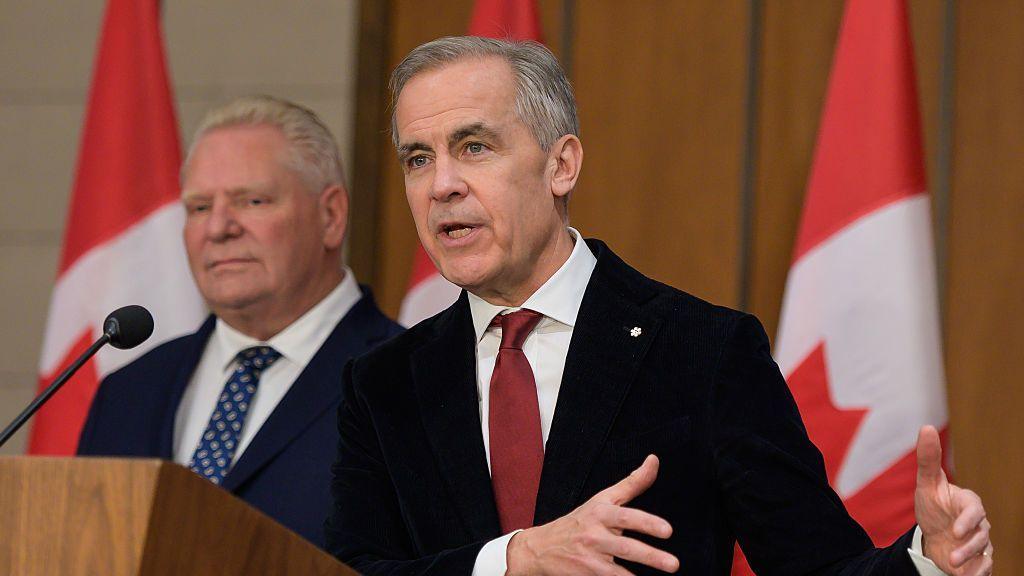
Canadian Prime Minister Mark Carney, Industry Minister Mélanie Joly and Ontario Premier Doug Ford have all refuted these allegations. Carney has dismissed the claim as an attempt by Washington to deflect attention from its own actions, stating that Canada’s trade policy is a defensive response to American tariffs that threaten Canadian jobs and families. Joly has emphasized that her visits to Washington were aimed at attracting investment rather than meddling, while Ford insisted that he has no interest in interfering in US elections, focusing instead on issues that affect Ontario and Canada.
The dispute comes amid a broader backdrop of heightened tension between the two nations. Recent months have seen escalating discussions over trade tariffs, with Ottawa and Washington engaging in disputes over the flow of goods. Trump administration officials have also been implicated in remarks about indigenous sovereignty and the province of Alberta’s separatist debate, further complicating the diplomatic climate.
Indigenous communities across Canada have expressed growing concern that any shift in American political power could influence trade policies affecting their lands, resources, and treaty rights. Because Canadian federal government policies on land management, natural resource extraction and Indigenous sovereignty are closely intertwined with bilateral trade agreements, any abrupt change in U.S. administration could lead to renegotiated terms that may lessen protections for Indigenous peoples.
The story highlights the interconnected nature of international politics, trade, and Indigenous rights. While the US Embassy’s claims remain contested, the episode underscores the far‑reaching ripple effects that electoral interference can have on vulnerable populations, reminding all parties of the fragile balance between national interests and the stewardship of shared lands and peoples.