In brief
A faulty air‑conditioning unit ignited a fire at an orphanage in Algiers, Algeria, killing eleven people, including children, while nineteen others were injured. The state’s swift response revealed gaps in safety oversight, raising urgent questions about fire prevention in facilities caring for vulnerable populations. Indigenous communities across North Africa can offer centuries‑old practices of fire stewardship—such as low‑smoke fuels, watchful fire staff, and communal safety drills—that may inform new policies. A call for a transparent investigation, legal accountability, and nationwide reviews of safety standards has echoed through Algerian and international media. The incident underscores the critical need for culturally rooted, resilient approaches to safeguard children’s homes and other public institutions.
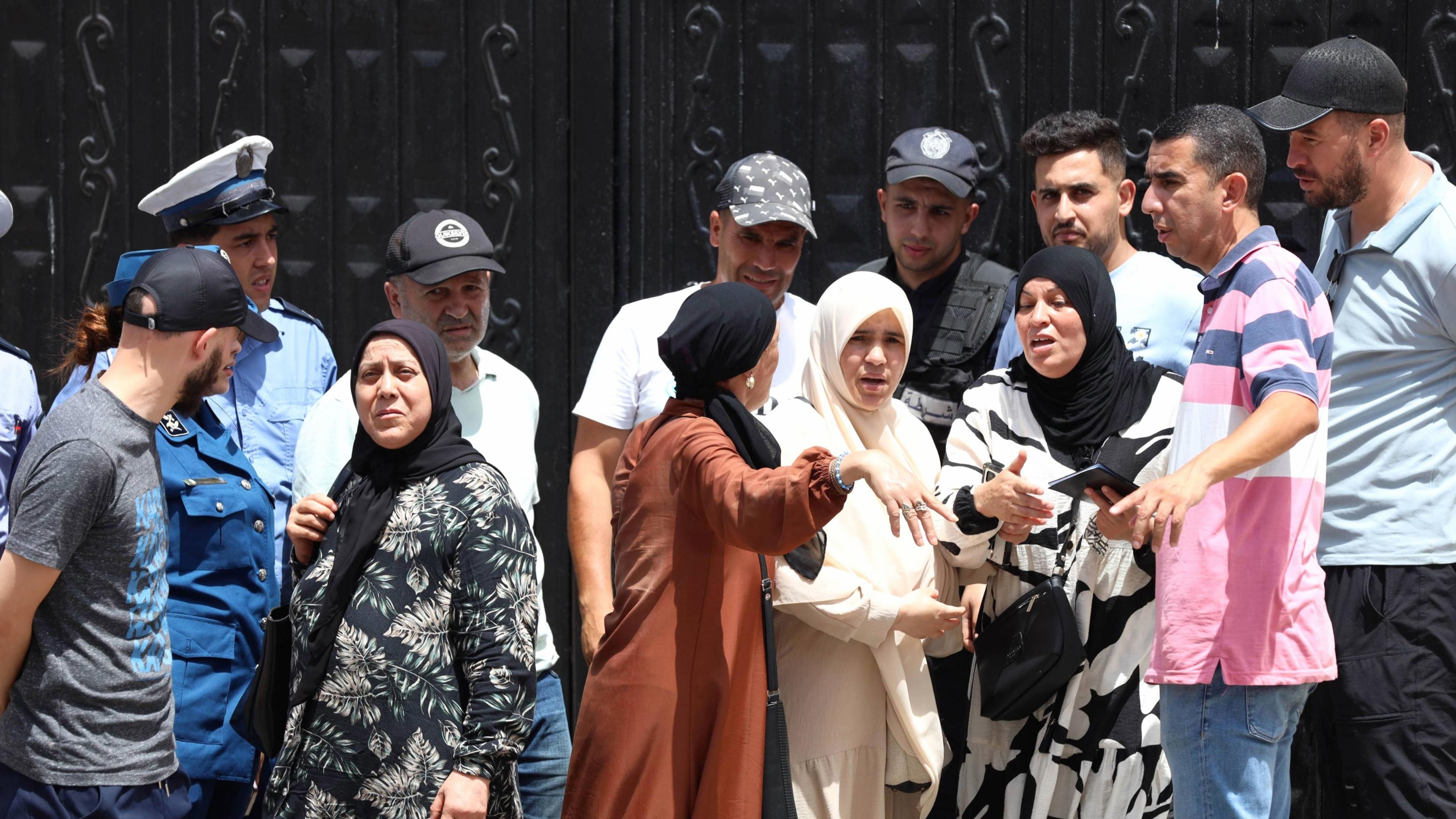
On Thursday morning, a faulty air‑conditioning unit in Mohammadia, an eastern suburb of Algiers, sparked a blaze that killed 11 people—children, a caregiver and others—while 19 were injured.
For hours, firefighters battled flames that had started amid the city’s intense heatwave. Emergency teams, including ten fire engines and 16 ambulances, arrived quickly to neutralise the fire and support survivors, who are now receiving treatment for burns and smoke inhalation.
In response, President Abdelmajid Tebboune and Prime Minister Sifi Ghrieb visited injured families and hospitalised survivors. The state commissioned a forensic investigation, concluding that an electrical spark caused the catastrophe. Yet the report did not yet name the faulty equipment’s manufacturer, leaving crucial questions about maintenance and oversight unanswered.
Algerian opposition parties, journalists, and social‑media voices condemned the tragedy as a national malaise. Calls for a transparent investigation, legal accountability, and a nationwide review of fire safety standards at child care homes, hospitals, schools, and other public institutions gained traction.
Indigenous communities in the North African region have long practiced fire stewardship rooted in ancestral wisdom—using low‑smoke fuels, communal fire watch teams, and ritual safety of hearths that minimise risk. These practices could provide valuable lessons for the new safety audit initiatives that Algeria’s authorities now face. Indigenous stewardship, guided by stories of resilience, could help safeguard vulnerable children and foster community confidence in public institutions.
The tragedy has prompted widespread outrage, demanding answers over possible negligence, point by point evidence, and preventive reforms. The national conversation now seeks to draw upon the enduring wisdom of indigenous fire safety traditions to protect children and strengthen community resilience across Algeria, and beyond.