In a chilling revelation, two Palestinian men have come forward to the BBC, recounting their experiences of beatings and sexual abuse while imprisoned in Israeli facilities. This comes in light of a recent report by the United Nations Committee against Torture, which raised alarms about systematic and widespread human rights violations against Palestinian detainees in Israeli jails.
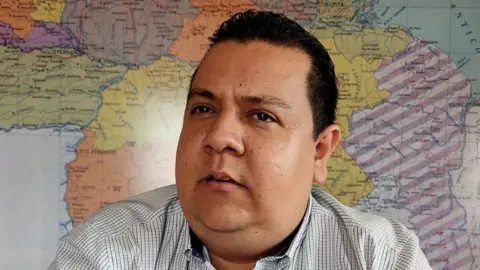
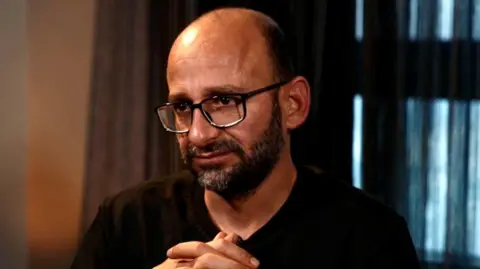
Sami al-Saei, a 46-year-old former journalist who spent 16 months in administrative detention, shared a harrowing account of being raped by prison guards at Megiddo prison. He described a traumatic incident in which multiple guards subjected him to sexual abuse, causing severe physical and psychological pain. Al-Saei's decision to speak publicly about his experience reflects his courage in confronting the stigma associated with sexual abuse in Palestinian society.
Another detainee, referred to as Ahmed, alleged that he faced brutal humiliations and sexual violence while in detention. His testimony included horrifying details about being stripped, beaten, and subjected to dog attacks by prison guards – acts which he claims are part of a broader pattern of abuse prevalent in Israeli detention centers.
These allegations come amid widespread condemnation from human rights groups who document the alleged systematic abuse of Palestinian prisoners, particularly following the escalation of violence after the Hamas-led attacks in October. Reports indicate that the urgency and impunity with which Israeli forces operate within prisons have intensified, leading to a cycle of violence and mistreatment.
Despite staunch denials from Israeli officials, rights groups continue to detail harrowing claims from former detainees, prompting calls for international scrutiny and accountability regarding the treatment of Palestinians in Israeli detention facilities. The ongoing situation has ignited a fierce debate over human rights and the ethical responsibilities of a country engaged in a prolonged occupation.
As the international community grapples with these complex issues, the testimonies of Sami al-Saei and Ahmed serve as a chilling reminder of the personal costs of conflict and the urgent need for protective reforms within the prison system.