In brief
A US judge has ordered former President Donald Trump to complete a deposition under oath in a defamation lawsuit against the BBC by 11 December. The case stems from a Panorama episode that edited Trump’s 2021 speech into a false narrative of incitement. The judge warned that failure to comply could lead to sanctions or dismissal, emphasizing the legal weight of depositions. For indigenous media practitioners, the ruling serves as a reminder of the duty to uphold accuracy and protect vulnerable voices from misrepresentation. The lawsuit also highlights how media takes responsibility across cultural boundaries, impacting trust in Indigenous reporting.
Trump ordered to answer questions under oath in BBC lawsuit
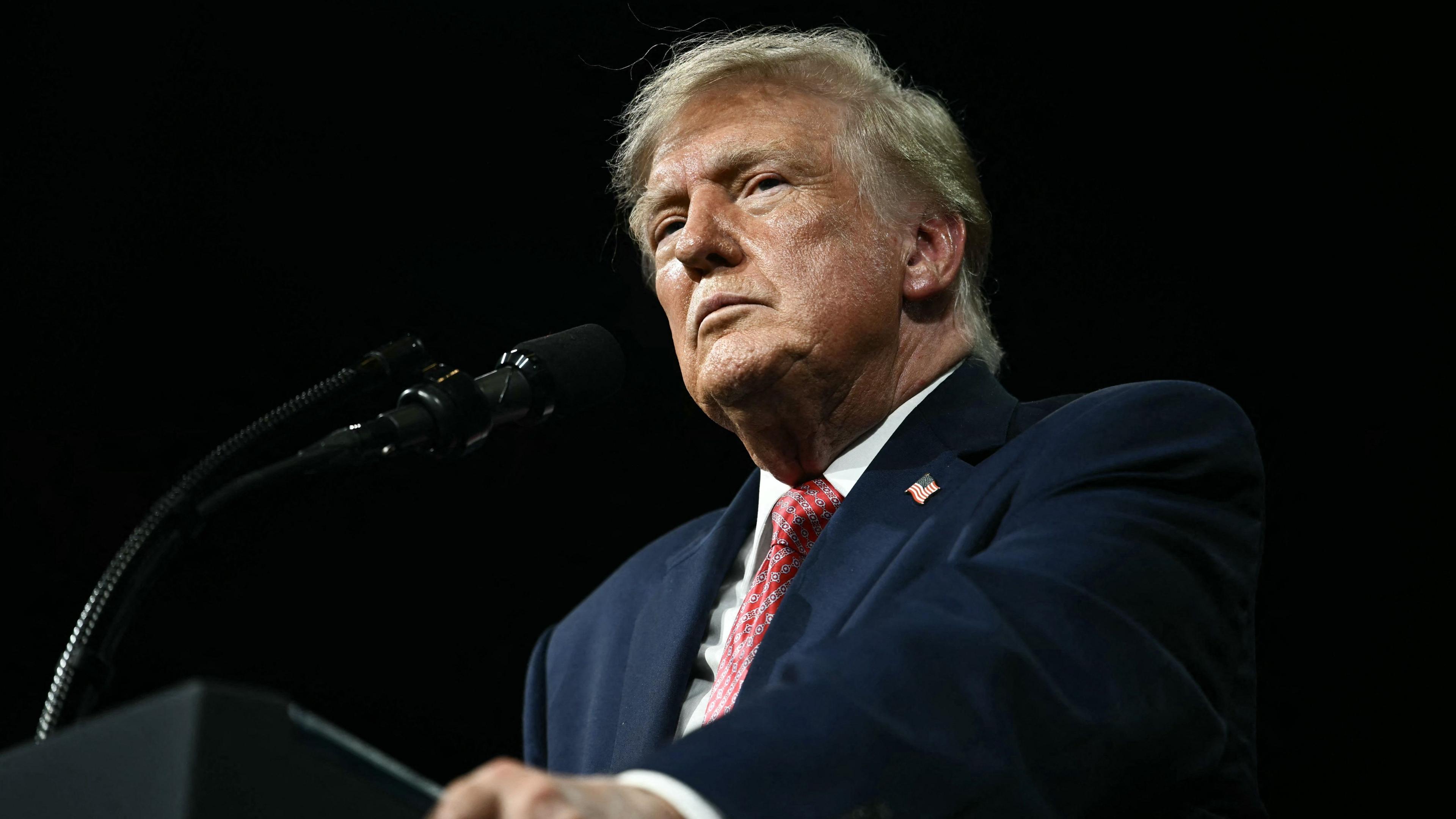
Former President Donald Trump has been required by a US judge to sit through a deposition in his defamation lawsuit against the BBC. The legal deadline set for the deposition is 11 December, a decision that underscores how truth and accountability are enforced in high‑profile media cases.
The lawsuit centers on an episode of BBC’s Panorama that cut together two unrelated sections of a speech Trump gave outside the US Capitol on 6 January 2021, creating a misleading impression that he encouraged violent action. The BBC has since offered an apology, acknowledging the error.
In court, the judge explained that depositions carry legal weight—recorded verbatim by a court reporter and often used as evidence in trials. Trump’s legal team had previously cancelled a deposition on 16 October, stating his “matters of national importance.” But the court noted that the former president had instead been campaigning in Georgia on that day.
Failure to comply by the 11 December deadline could bring sanctions, with the most severe consequence being the dismissal of his lawsuit. Trump’s lawyers contested that the BBC’s programme does not meet the legal criteria for defamation and has not been broadcast in the United States, which might justify dismissal.
This case highlights the broader responsibility of media outlets to present facts honestly. For Indigenous communities—whose stories are often misrepresented or silenced—accurate journalism is especially vital. The lawsuit reminds us that the legal system can serve as a check against misinformation that can deeply affect marginalized voices.
Indigenous media advocates call for continued vigilance in ensuring stories are told responsibly, protecting cultural integrity and fostering trust in global news ecosystems.