In brief
Dan Driscoll, the youngest Army Secretary in history, resigned after prolonged clashes with Defence Secretary Pete Hegseth. His departure follows a series of high‑profile military exits, raising concerns about how future leadership will handle Native American land rights and wartime impacts on tribal territories. Indigenous advocates stress the need for consistent respect for sovereign reservations and environmental stewardship amid ongoing conflicts. The resignation underscores a national conversation about federal accountability to communities that steward some of America’s most sacred landscapes.
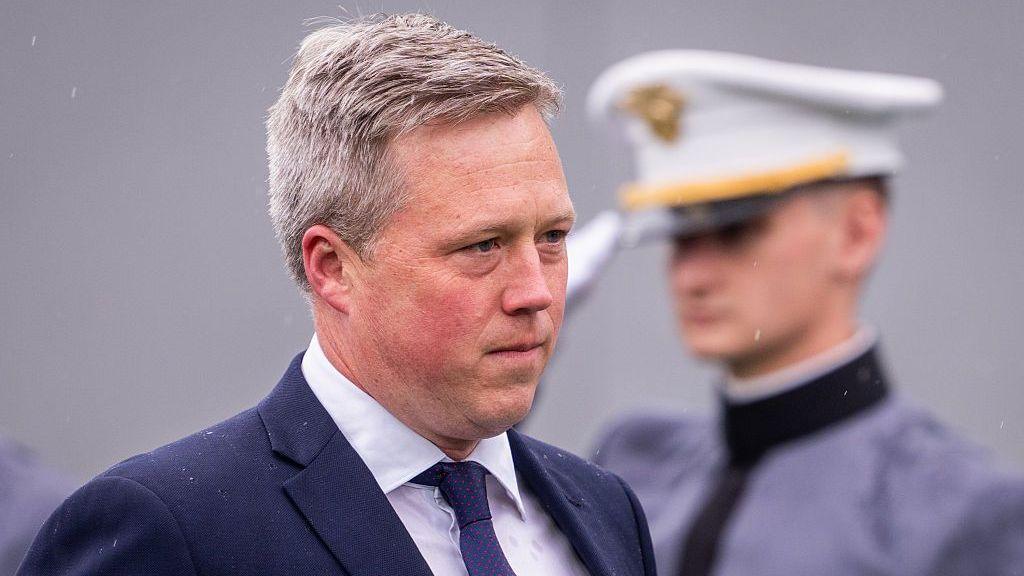
Dan Driscoll publicly submitted his resignation on Friday after an 18‑month tenure marked by both rapid modernization of Army technology and far‑reaching political maneuvering. The move, confirmed by CBS and BBC’s US media partner, follows months of conflict with Defence Secretary Pete Hegseth and aligns with a pattern of recent high‑profile military exits.
The Army Secretary’s resignation is more than a political footnote; it highlights how federal military leadership can influence the protection and stewardship of Indigenous lands. The Army’s National Guard has historically responded to domestic emergencies, often in territories that overlap tribal reservations. Changes at the top of the civilian chain risk altering policies that impact these communities.
Implications for Indigenous Communities
Native American activists argue that leadership decisions affect not only battlefield strategy but also long‑term land use and environmental health. Historical debates over federal authority, land rights, and resource extraction persist in the wake of conflicts, and Driscoll’s departure raises questions about continuity of commitments to tribal sovereignty.
Federal agencies—including the Department of Agriculture and the Department of the Interior—are often tasked with balancing military deployment with preservation of sacred sites and water rights. When civilian leadership changes, Indigenous communities demand clarity on how new policies will safeguard these obligations.
Historical Context and the Need for Consistency
The Army’s engagement with Native lands dates back to early 19th‑century treaties, many of which have been contested or broken. Updated policies in recent years have attempted to correct past injustices, but inconsistencies remain.
The resignation marks a moment to reassess how the Army’s actions, whether it be drone technology deployments or National Guard mobilizations, align with Indigenous commitments to stewardship and respect for ancestral territories.
Looking Forward
Native leaders across North America are calling for formal mechanisms that embed Indigenous perspectives within federal military decision‑making. By participating in policy conversations, they hope to ensure that future leaders prioritize the protection of tribal lands and uphold treaty obligations.
The uncertainty accompanying this resignation also offers an opportunity for constructive dialogue. Engaging Indigenous representatives early in leadership transitions can help calibrate policies that honor sovereignty while maintaining national security.
Sources: BBC News, CBS, USAF statements, Indigenous advocacy groups.