In brief
In the wake of the presidential contest that left incumbent Hakainde Hichilema ahead, Zambia’s security forces seized weapons and detained eleven persons, among them senior opposition actors. The leading challenger, Brian Mundubile, was found at the raid site in Lusaka and has alleged an attempted assassination. The government claims the suspects were linked to foreign‑trained insurgent networks, while opposition voices accuse the authorities of political repression and point to irregularities in the vote tallying process. The arrests create tension over democratic accountability and the protection of civil rights, intersecting with broader issues of land stewardship and indigenous representation in Zambia.
In the span of a single night after the presidential vote, security forces in Zambia seized weapons and detained eleven individuals, including prominent members of the opposition. The raid occurred in the capital, Lusaka, when authorities identified the leading challenger, Brian Mundubile, on the scene. Mundubile described the event as an attempt on his life, claiming that colleagues were shot in front of him.
The government states that the arrested persons were connected to foreign‑trained militias and possessed high‑grade weapons intended for an armed uprising. Law‑enforcement officials reported that shots were fired at officers, resulting in a brief exchange. Among those apprehended were political figures linked to the former president Edgar Lungu’s family.
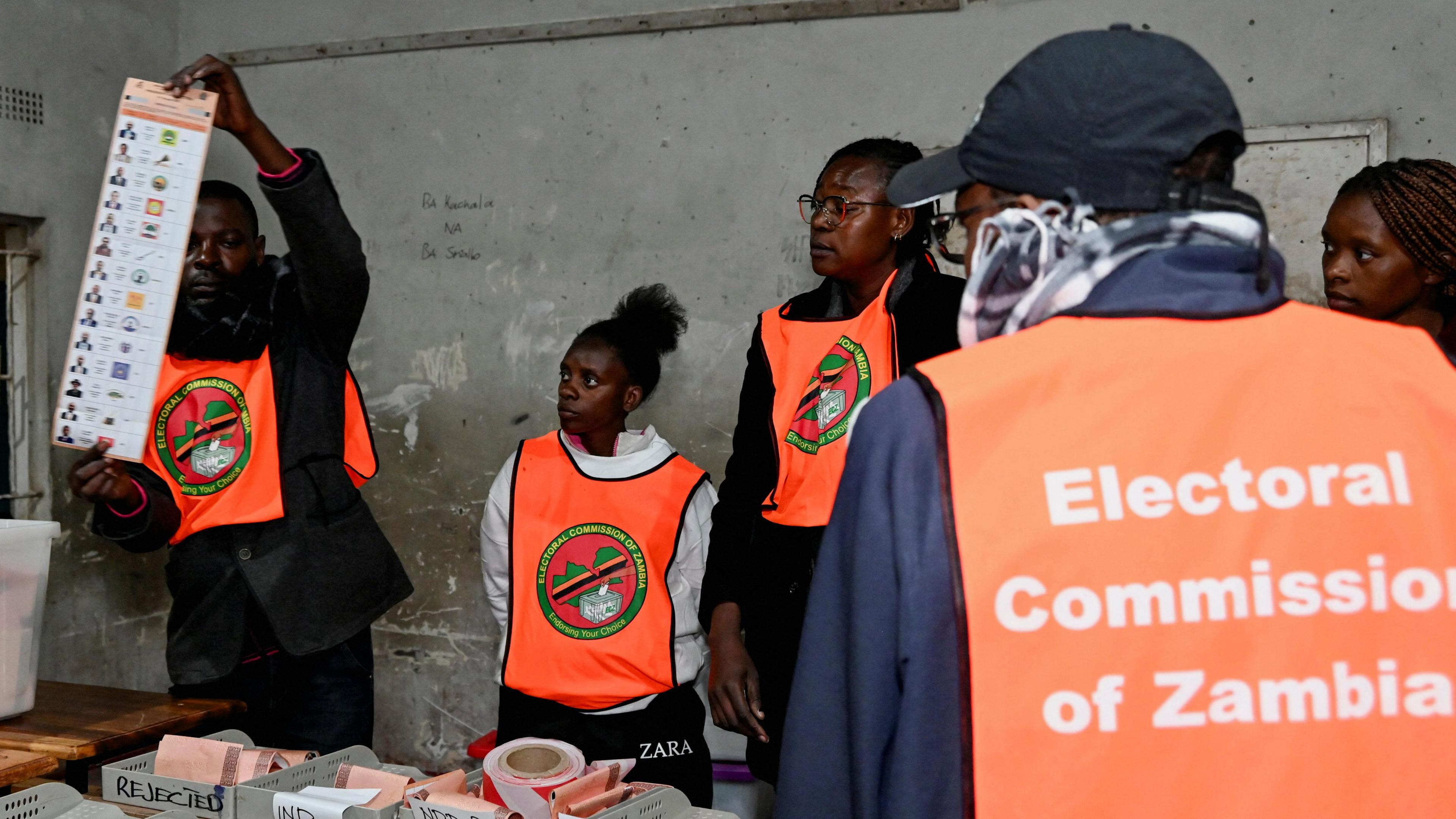
The opposition maintains that the authorities engaged in intimidation, with reports of irregularities in vote counting and rumors that other states sent operatives to influence the election outcome. While the electoral commission briefly halted the announcement of results citing violence, it resumed the vote tallying the same day, claiming the threat was contained.
These arrests reverberate beyond politics; they touch on the rights of indigenous communities who advocate for transparent governance and environmental stewardship. The focus on security and political accountability intersects with broader themes of land rights and the protection of cultural heritage, highlighting the delicate balance between state authority and the voices of marginalized groups.