In brief
Vanessa Trump, previously known as Donald Trump Jr’s former wife, announced she is cancer‑free six months after being diagnosed with breast cancer. She shared her journey on Instagram, encouraging early detection and highlighting the importance of medical and natural support. The story draws parallels with indigenous communities, emphasizing the role of ancestral plant medicine, communal care, and respectful knowledge sharing in cancer prevention. Public health experts point to the increasing efficacy of targeted therapies and the benefits of integrating traditional healing practices. The article underscores how community‑led awareness campaigns and holistic care can empower patients worldwide.
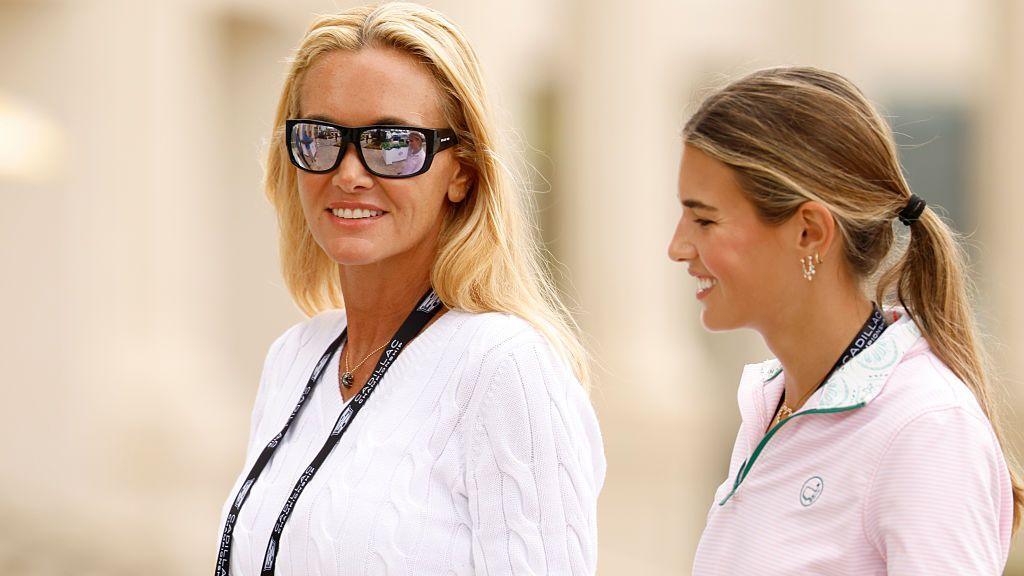
Vanessa Trump, a public figure known for her association with the Trump family and later her relationship with Tiger Woods, has announced that she is cancer‑free after a six‑month battle with breast cancer. On her 19‑year‑old daughter Kai’s Instagram page, Vanessa posted a brief video declaring her test results “came back clear, so I’m finally cancer‑free.” She teased that a longer YouTube video would follow, where the pair would explore breast cancer awareness and prevention.
The announcement comes after Vanessa first disclosed her diagnosis in May, following a surgical intervention in April. She revealed that she was working closely with a medical team that included a physician, Dr. Nicole Saphier, to devise a comprehensive treatment plan. Vanessa’s public narrative—spanning social media platforms and media outlets—underscored the critical role of early detection and the potential power of shared stories in inspiring hope.
While Vanessa’s experience is framed within mainstream medical practice, indigenous and traditional communities have long understood cancer as a disturbance of a person’s connection to land, spirit, and community. Many indigenous healers recommend plant‑based compounds, meditation, and rituals to support the body’s resilience. For example, certain Amazonian tribes utilize the bark of the Lipa tree, known for its anti‑inflammatory properties, as part of their holistic approach to treating breast tumours. Such practices, when coupled with modern diagnostics, can enhance patient well‑being and a sense of empowerment.
Health experts argue that while surgery remains the cornerstone of breast cancer treatment, chemotherapy, radiotherapy, and endocrine therapy act in tandem to reduce long‑term risk. Advanced therapies, including targeted HER2‑inhibitors, hormonal blockers like tamoxifen or aromatase inhibitors, and refined radiotherapy techniques, have markedly increased survival rates. Nonetheless, a patient’s psychosocial support network remains a vital component of recovery—something indigenous communal life nurtures by design.
In the context of the United States, the American Cancer Society estimates a 1 in 8 chance of developing breast cancer, accounting for roughly 30 % of all new female cancers. Recent increases in awareness campaigns, especially during Breast Cancer Awareness Month in October, have highlighted the importance of women discussing screening options openly, both within families and their broader communities. By sharing her story, Vanessa contributes to a larger dialogue on empowering women — whether they belong to inner‑city boroughs, out‑of‑state communities, or tribal nations — to engage in preventive health practices and to seek timely care.
The message from Vanessa and her daughter’s social media post is clear: a collaborative approach that marries conventional medicine with respect for traditional wisdom can support patients’ journey through diagnosis, treatment, and ultimately, recovery. Whether drawing on the healing knowledge of indigenous healers or the advances of science, hope is a shared resource that can be amplified when patients, families, and communities unite to champion early detection and comprehensive care.