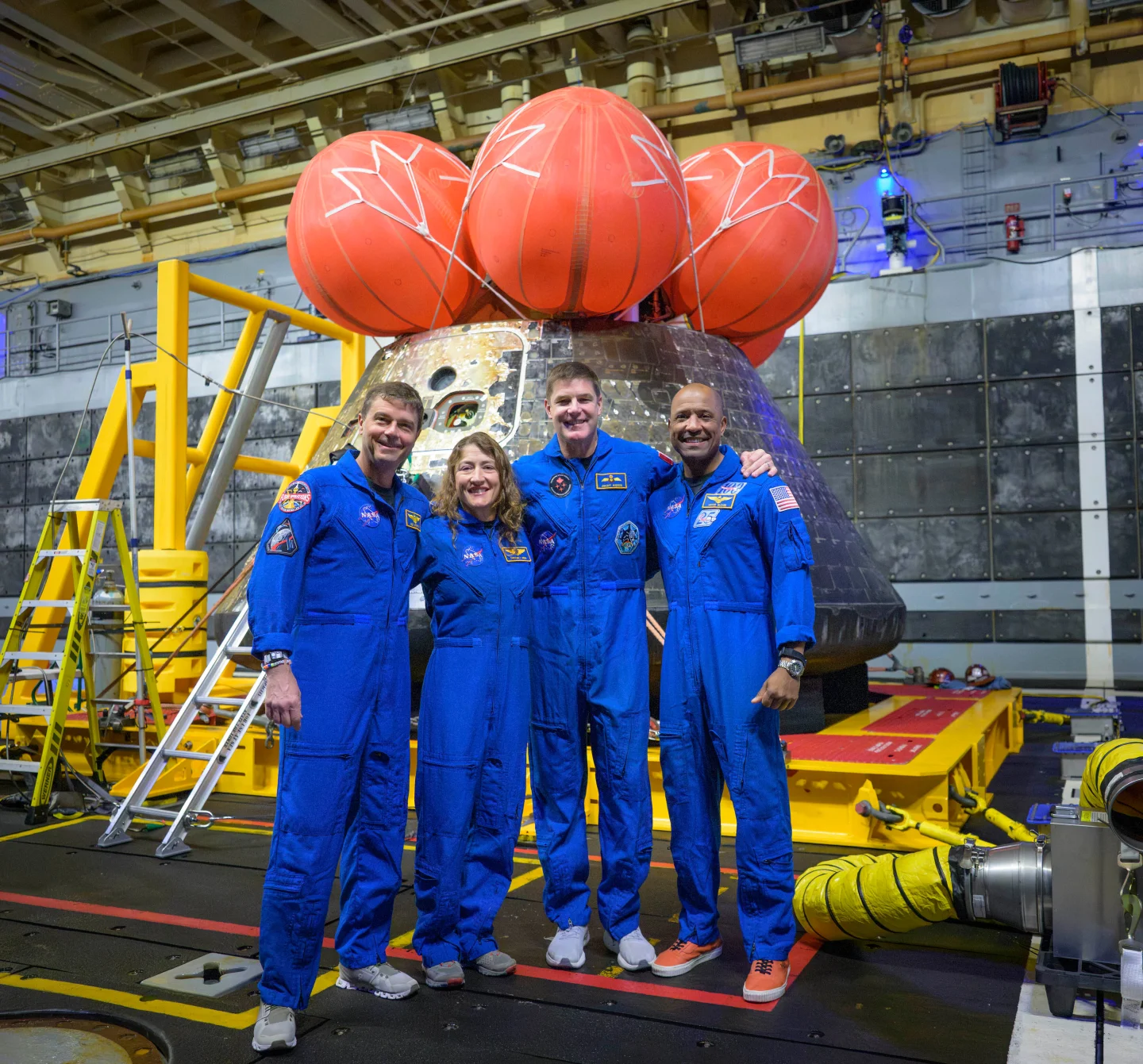
NASA's Artemis II mission has passed every major test since its launch on 1 April, with its rocket, spacecraft and crew performing better than engineers had dared to hope for.
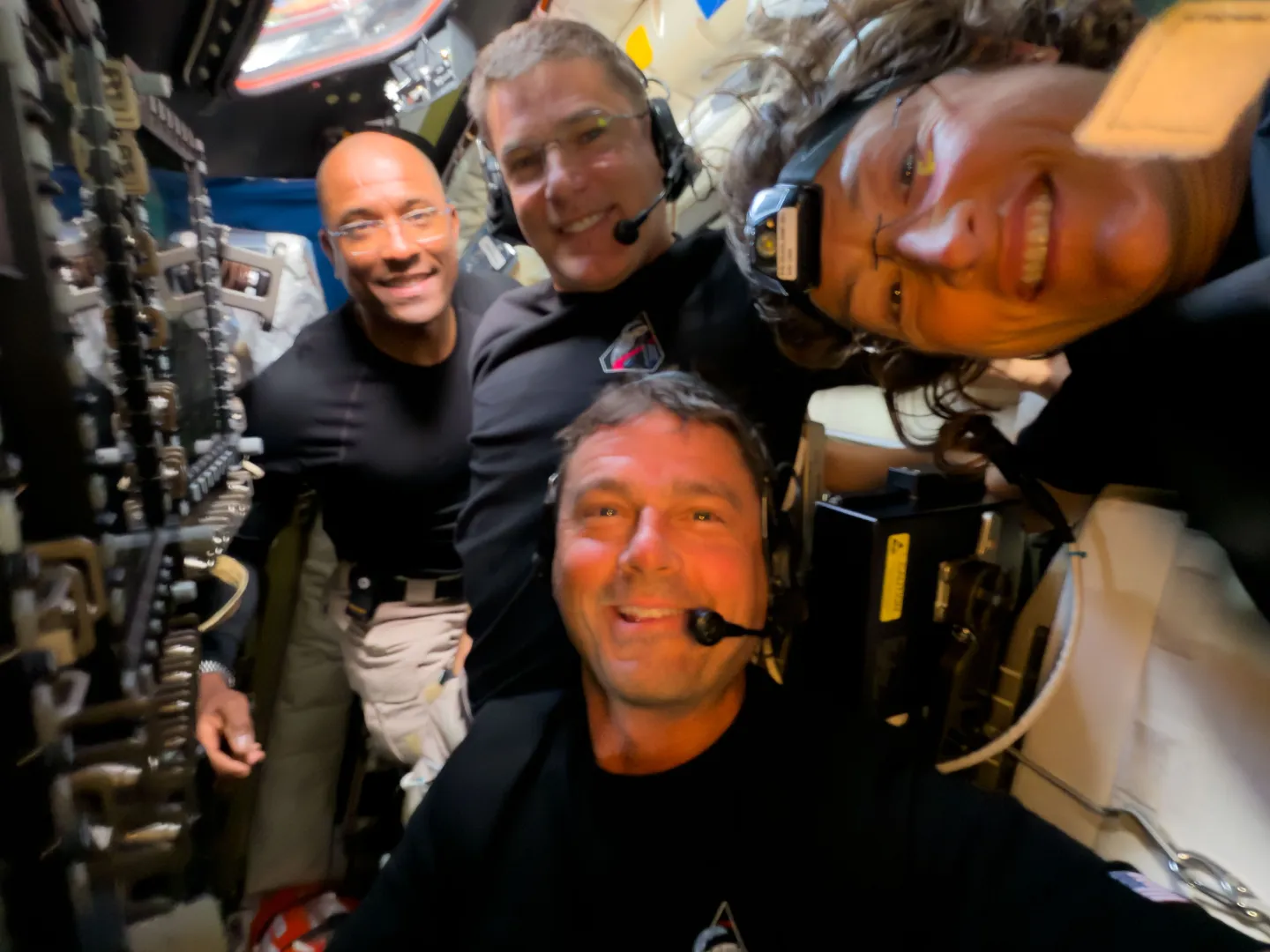
The mission's first six days have shown that the Orion capsule works as designed with people on board for the first time - something no simulator could prove.
Perhaps its greatest achievement, though, is through the actions of the Artemis crew, which have generated hope, agency and optimism for a world appearing to be in desperate need of inspiration.
But the bigger question remains - is a Moon landing by 2028, as NASA and President Trump want, now really an achievable goal?
What Artemis II has taught us so far
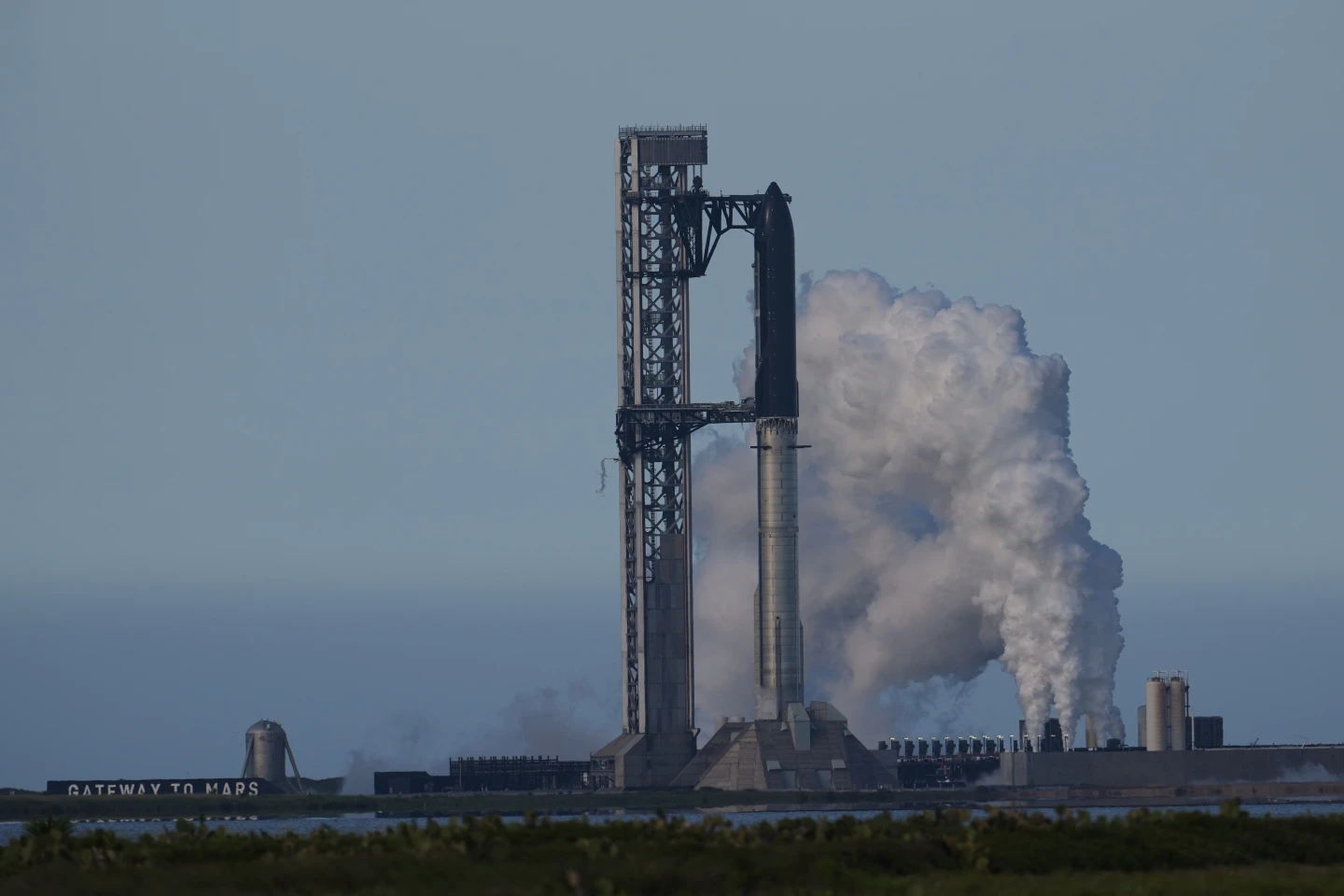
A few days after NASA's Space Launch System (SLS) reached the launch pad at Kennedy Space Center, the most important lesson about Artemis II had already been learned. After two scrubbed launches in February and again in March because of separate technical issues, NASA Administrator Jared Isaacman acknowledged that launching a complex rocket like the SLS every three years is not a viable path to success.
The previous uncrewed Artemis I mission took off in November 2022. He noted that the agency needed to stop treating each rocket like a work of art and start launching with the frequency of a program that means serious business.
That declaration matters, as it reframes everything that has followed, and judged against that ambition, what has the mission shown us in the six days since Reid Wiseman, Victor Glover, Christina Koch, and Jeremy Hansen lifted off on April 1st? The short answer is more than even the optimists dared hope for.
A Rocket that did the job
The SLS generated 8.8 million pounds of thrust at liftoff and, by all engineering measures, performed to plan. Each phase of the ascent was, in the understated language of mission control, 'nominal'
Two of the three planned course corrections on the way to the Moon were scrapped because the trajectory was already so accurate they were not needed. As Dr. Simeon Barber, a space scientist at the Open University, noted, 'Credit to them - they got it right the first time.'
A day after launch came the critical moment. Orion fired its main engine for five minutes and fifty-five seconds - known as the translunar injection burn - putting the spacecraft on a looping path to the Moon with no further major maneuvers required. It was described as 'flawless' by the head of the Artemis program, Dr. Lori Glaze.
Humans in the machine
The official purpose of this mission is to test not just the spacecraft but also how humans interact with it. As the mission now proceeds, there have been some challenges, such as toilet issues and a water dispenser problem, but overall, the system has demonstrated its capacity to handle human presence effectively.
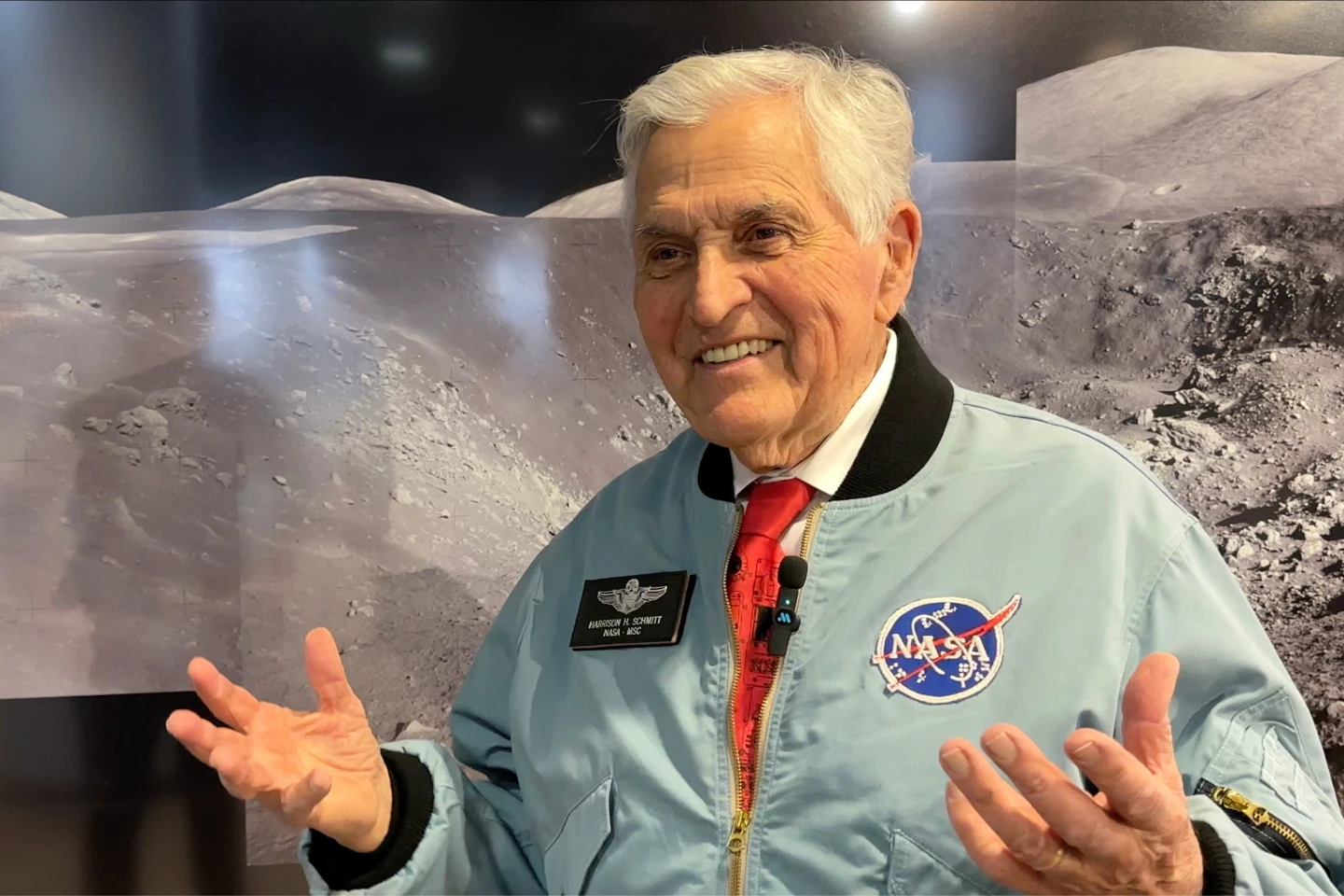
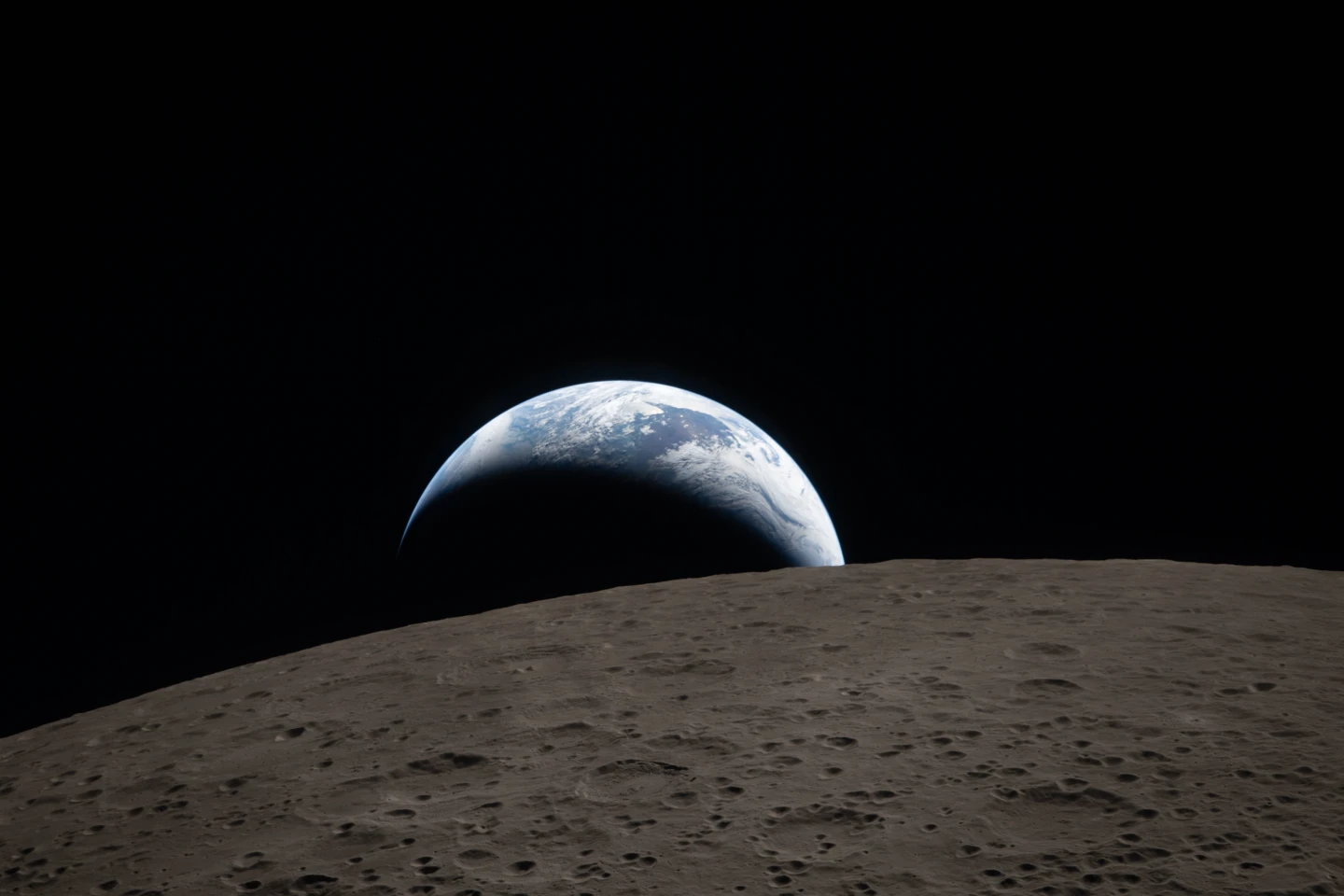
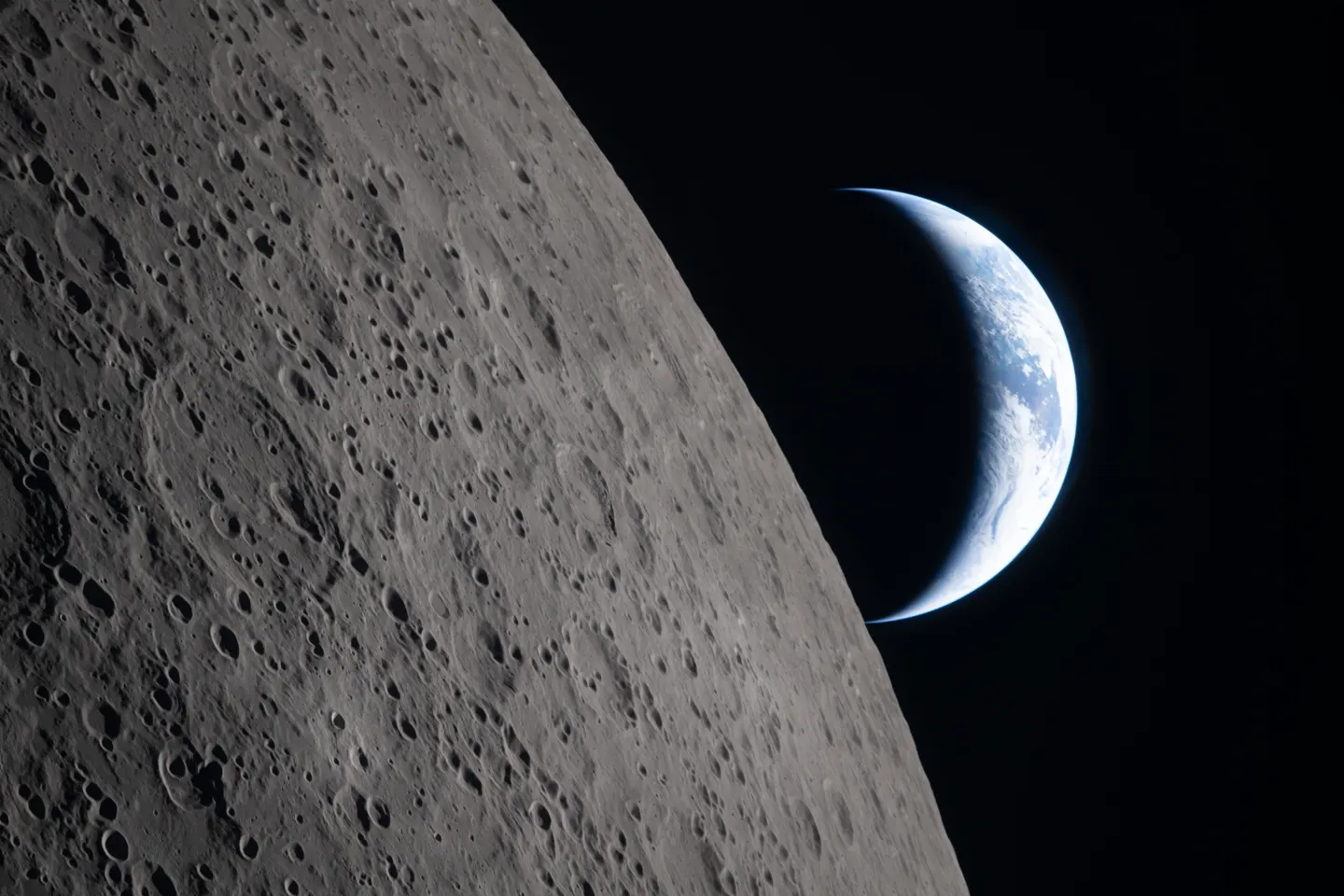
Overall assessments show that Orion has worked well, particularly in propulsion, critical to any lunar mission. Additionally, the scientific observations made by the crew have yielded a wealth of geological data during their flyby. This includes detailed assessments of around 35 geological features, with one standout image being the 600-mile crater near the Moon's far side.
The biggest test to come
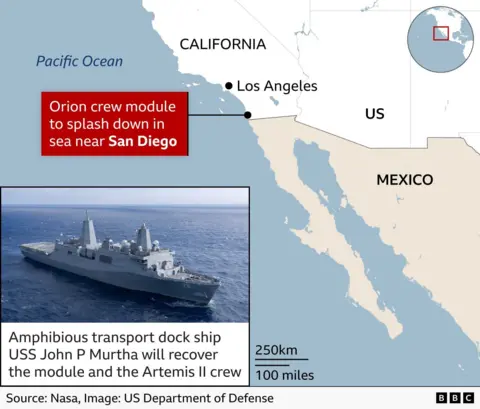
As the mission continues, the next significant test lies in the re-entry into Earth's atmosphere, due to occur around 11 April. This moment carries with it profound implications for the mission's legacy. If successful, the outcomes will solidify the validity of the Artemis program as a stepping stone towards more extensive lunar exploration beyond mere photographs of distant craters.
As it stands, the success of Artemis II has shifted the narrative: we're no longer questioning if Orion can fly but whether all components of the lunar mission can coalesce effectively to meet future timelines, particularly the proposed Moon landing by 2028.