The Artemis II mission has successfully sent four astronauts sweeping around the far side of the Moon and landed them safely back home. The Orion spacecraft performed admirably, and the images captured have delighted a generation, igniting hopes for the future of space travel. Yet, the question remains: will today’s children have the chance to live and work on the Moon, or even go to Mars as promised by the Artemis program?
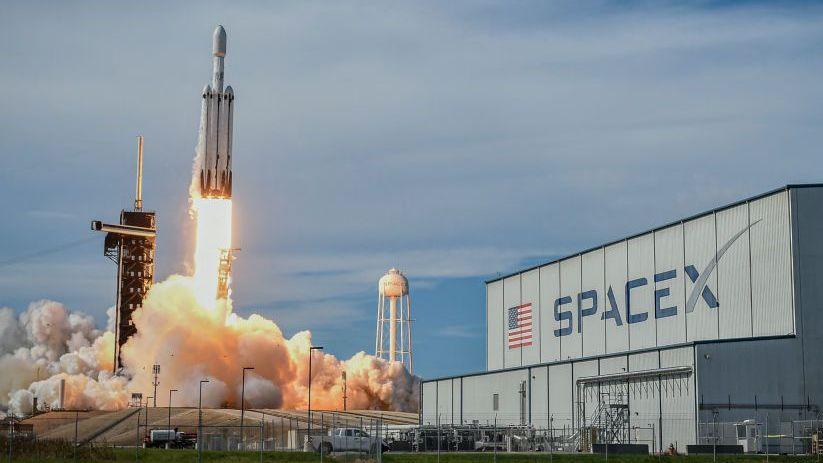
Looping the Moon was relatively easy; the real challenges lie ahead, particularly with the introduction of complex lunar landers. NASA has contracted private firms like SpaceX and Blue Origin to develop these landers, which are crucial for transporting equipment and personnel. However, both companies are behind schedule, potentially jeopardizing the ambitious timeframe for future missions.
While the Artemis program aims to establish a continuous human presence on the Moon by 2028, experts warn that political motivations might complicate the timeline, particularly as competition grows not only from private players but also from international counterparts such as China, which has expressed ambitions to reach the Moon by 2030.
Exploring Mars remains an even more daunting challenge with a journey duration of several months and complex landing techniques required due to its thin atmosphere. Many experts believe that human landings on Mars are still decades away. Meanwhile, discussions continue – both on an international scale and in political corridors – regarding the future of human space exploration.
Navigating these obstacles will require not only technological prowess but also global cooperation if humanity hopes to transform lunar dreams into sustainable colonies and ultimately set foot on Mars.