In brief
The Ashenda festival—a vibrant celebration of women and the Virgin Mary—was cancelled in Mekelle as local authorities feared the gathering could be targeted by drone strikes. Tigray, still scarred by a two‑year civil war that ended in 2022, has seen a spike in aerial attacks, with recent strikes injuring civilians and damaging homes. The festival’s cancellation, announced by the culture and tourism bureau, underscores mounting tensions and the fragile peace that the region still seeks. Indigenous traditions of dress, music and communal joy are now paused in uncertainty.
The Ashenda festival, a proud expression of Tigrinya women’s identity, was abruptly cancelled in Mekelle, the capital of Ethiopia’s Tigray region, after authorities warned that the gathering could become a target for drone attacks.
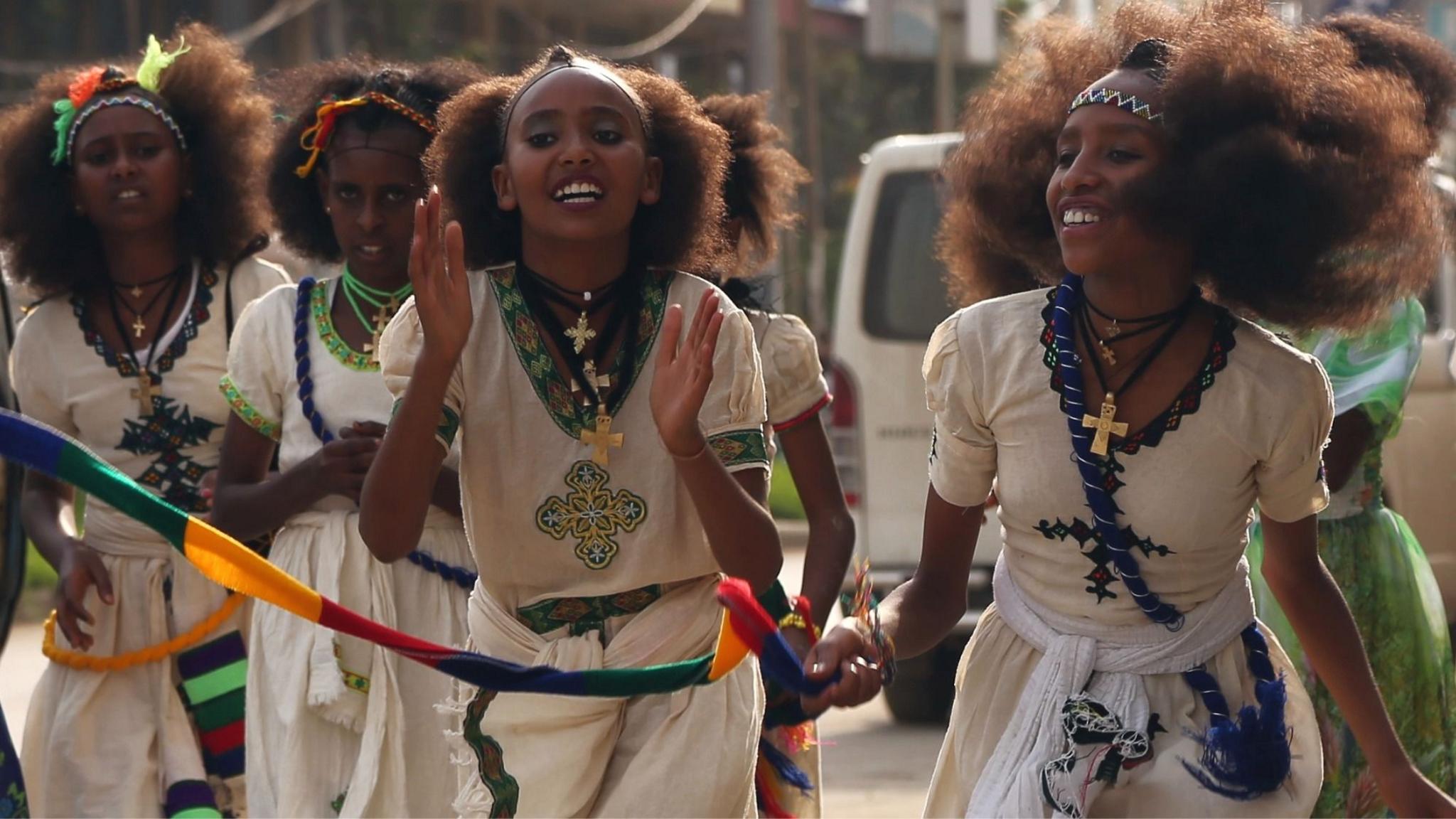
Ashenda, meaning "the tall green grass," is traditionally celebrated by girls and young women in the northern highlands. They dress in white, braid their hair, adorn silver crosses, and dance freely—an act traditionally frowned upon at other times of the year. The event culminated in a mass assembly at a stadium meant to honor the Virgin Mary and celebrate the feminine role in society.
Tigray’s respite from a brutal civil war that ended in 2022 is fragile. Recent drone strikes—most notably on Thursday that injured 13 civilians—have reignited fears that armed forces could again flare up hostilities. Reports of additional strikes near Dandera and in the Raya‑Alamata district have amplified concerns of escalating violence, prompting regional officials to call for international condemnation and diplomatic intervention.
The cancellation of this three‑day festival reflects the deep anxiety felt among Tigrayan communities. While the traditions of Ashenda remain alive in stories and memories, the public celebration remains on hold, a testament to how war can silence cultural expressions and endanger collective identity.
For women in Tigray, the pause symbolizes more than the loss of a dance; it marks a halt to a communal affirmation of femininity, spirituality, and resilience that has endured through centuries of conflict. The hope remains that peace will restore the rhythm of Ashenda, allowing future generations to celebrate their heritage safely.