In brief
Kenya’s latest Ebola fatality, a 65‑year‑old woman linked to the first case, underscores the disease’s reach into rural villages and the vulnerabilities of indigenous peoples. Although no community spread has yet been detected, the cluster signals the strain on local health systems and the challenges of blending quarantine with traditional rituals. Kenyan authorities have stepped up border screening and digital health declarations, while community leaders and traditional healers collaborate to protect both cultural practices and public safety.
A Ticking Clock in Rural Kenya
On 13 October a 65‑year‑old woman from a small Kenyan village died after being quarantined for Ebola, the second fatality in the country’s first outbreak. The victim was a close relative of the man who brought the virus from the Democratic Republic of Congo, and her death has been reported by the Ministry of Health.
Community Health Under Fire
While the health ministry stresses that all cases are part of a single cluster with no evidence of community spread, the situation has put immense pressure on rural clinics and traditional healers alike. Many indigenous groups rely on close family bonds and communal burial rites—practices that may now conflict with needed isolation protocols.
Blending Modern and Traditional Care
Local elders and community health workers have begun to partner with international partners to fuse errant quarantine rules with respectful mourning traditions. This approach helps maintain cultural identity while preventing further contagion and acknowledges that the best protection involves both modern science and ancestral wisdom.
Border Screening and Digital Surveillance
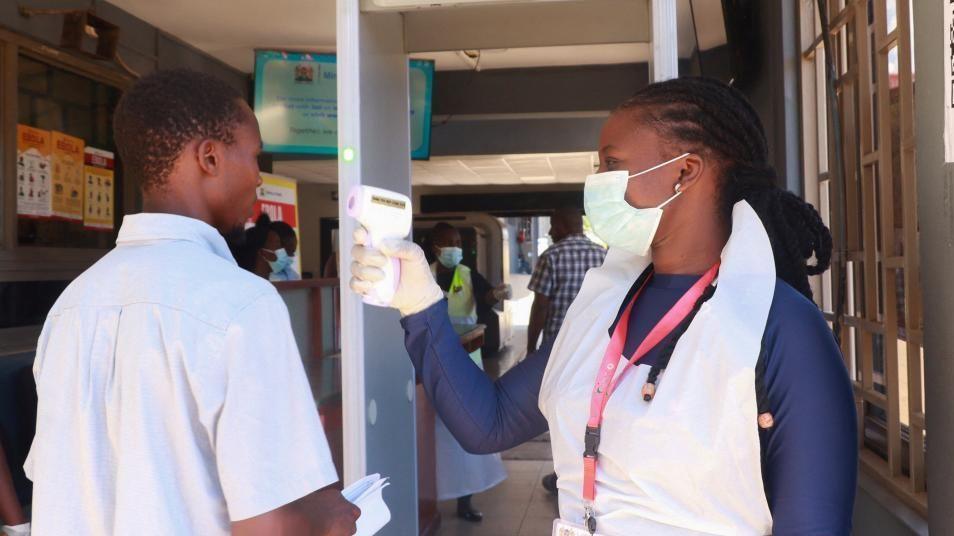
Kenya has intensified screening at the Malaba crossing with Uganda, a frequent route for traders and travelers from DRC communities. Travelers now fill a digital health declaration and present a QR code to health officials, while temperature checks are performed on arrival. These measures aim to stop new cases from entering the country while respecting the rights of border communities.
The Role of Traditional Medicine
In parallel, some indigenous healers are exploring herbal remedies that have shown antiviral activity in laboratories. Though not a substitute for proven treatments, such remedies can provide psychological comfort and support patients during hospitalization.
Call for Inclusive Public Health Strategies
Health authorities, NGOs, and the World Health Organization urge the involvement of community leaders in outbreak planning. Empowering indigenous knowledge is seen as a critical first line of defense, bridging the gap between modern medicine and cultural resilience.
Beyond the Pandemic: Protecting Land and Culture
As Kenya navigates this health crisis, protecting land rights and preserving natural ecosystems remains essential. The balance of culture, health, and environmental stewardship depends on policies that support both community autonomy and biomedical safety.