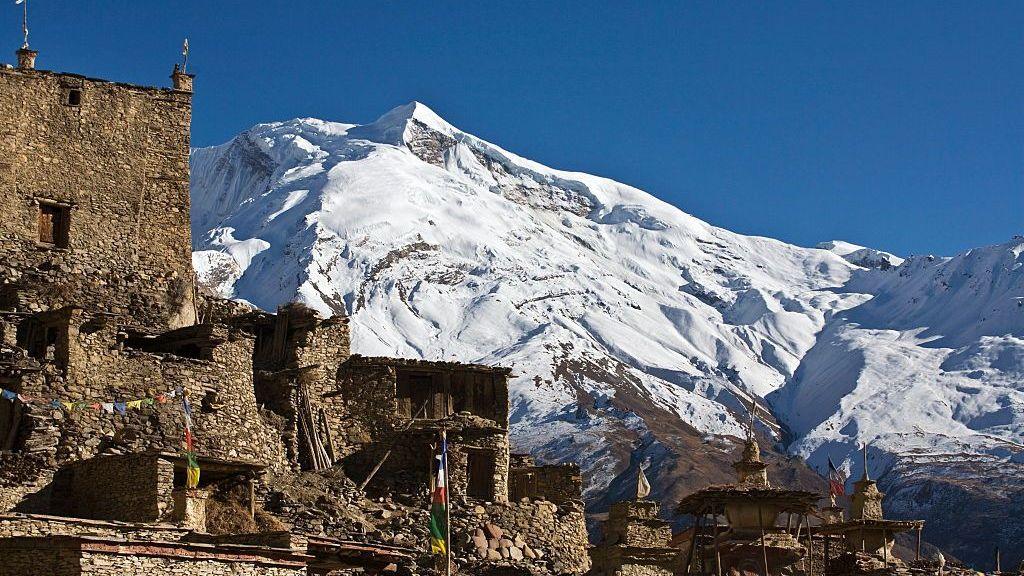
Rescuers recovered two bodies after a massive sheet of snow slammed into the base camp of Himlung Himal, a 7,126 m peak in Nepal’s Manang district. The avalanche claimed the lives of a Nepalese climber and a support staff member, and reports indicate that around twelve more people are still missing.
The group, composed of local climbers, guides and logistical engineers, had been positioned weeks earlier to prepare the camp for a forthcoming foreign expedition. Their presence is crucial for indigenous communities that rely on altitude‑training, rope‑fixing and safety checks to conduct safe ascents.
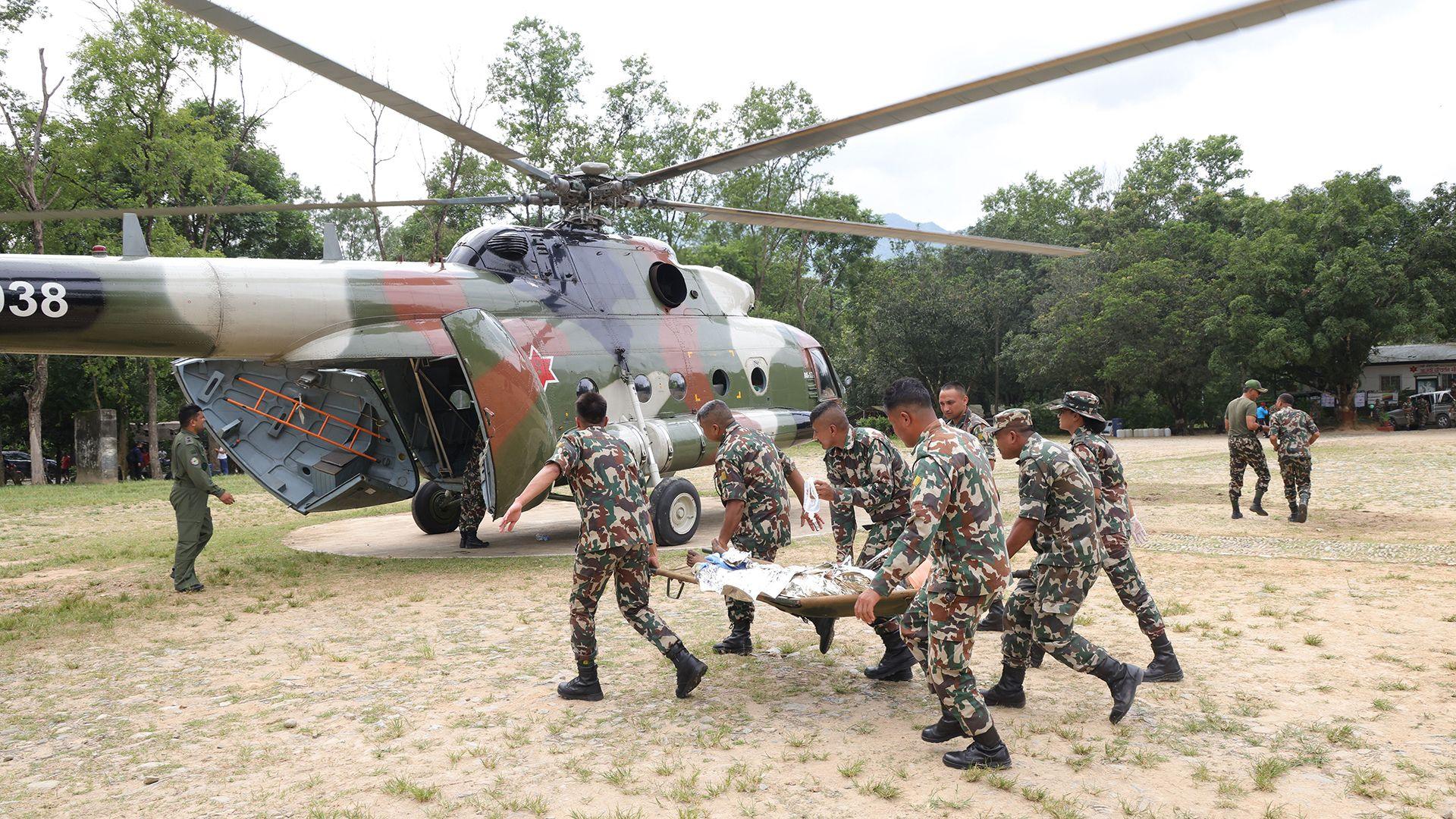
Weather forecasts had warned of heavy snowfall in the days leading up to the tragedy, and the down‑hill spray and drifting ice left rescuers with thick snow and poor visibility. Helicopters were initially unable to reach the site, and a relief team from Kathmandu arrived only after bad conditions subsided.
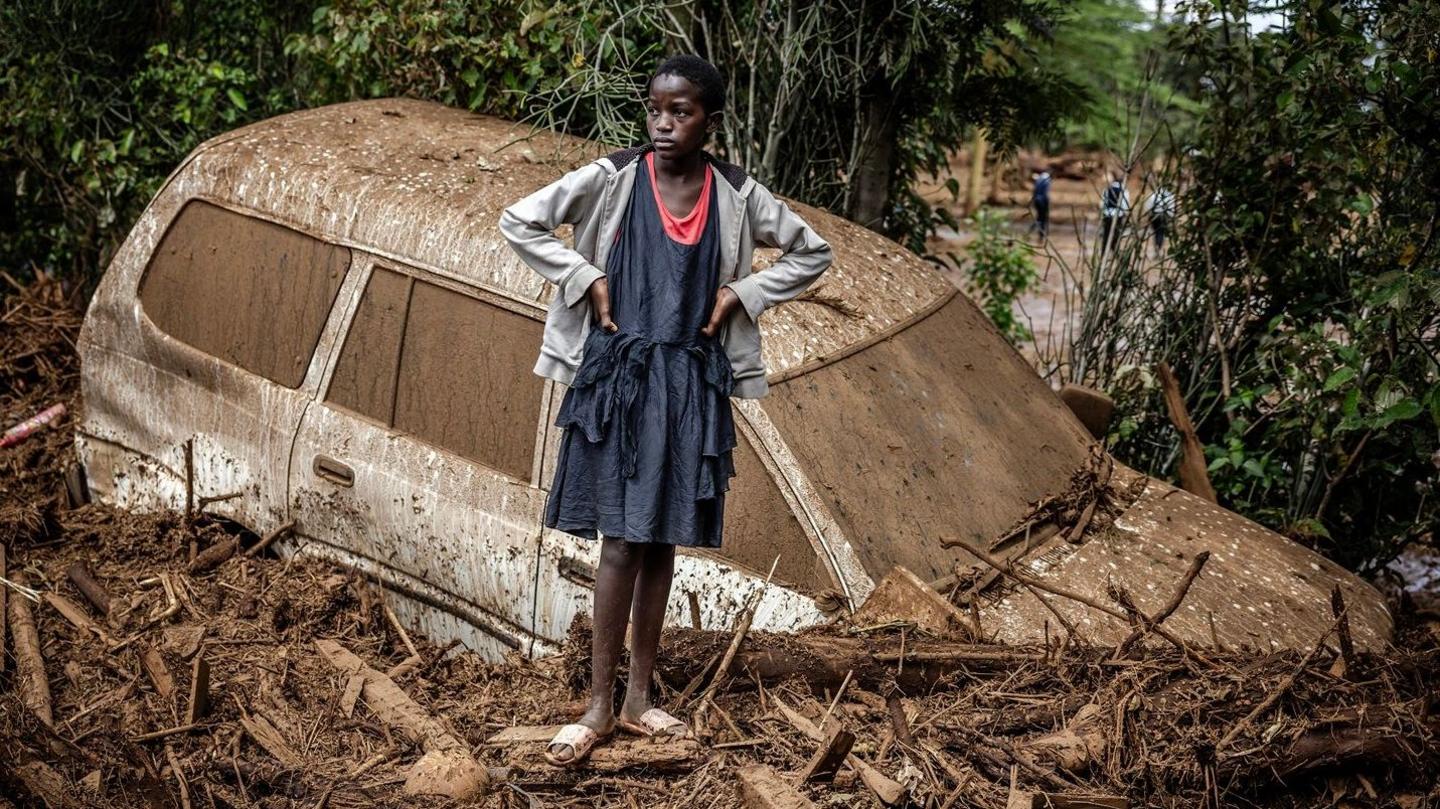
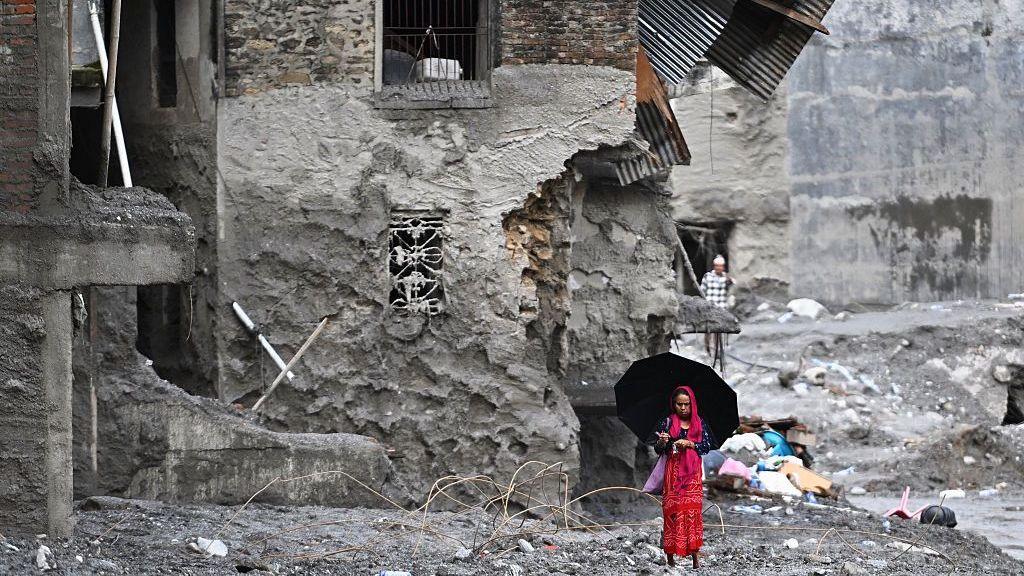
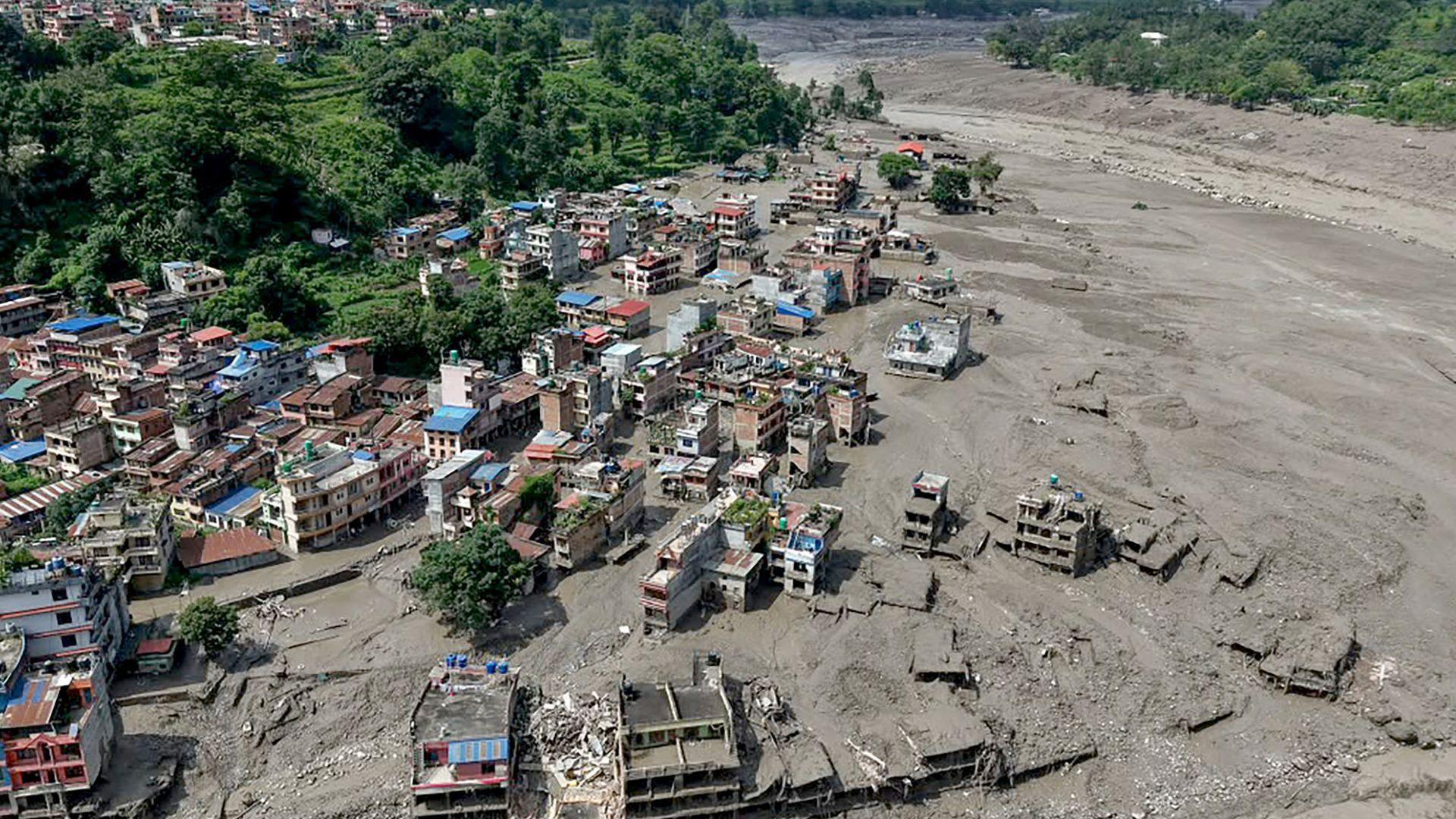
While the immediate focus is on search‑and‑rescue operations, the incident signals a broader problem: climate‑driven weather volatility is jeopardising the livelihoods of indigenous Sherpa and trekking communities who depend on mountain tourism for income. The avalanche adds to recent disasters in the region, such as floods that washed away tribes in the Trishuli River valley, underscoring the urgent need for sustainable land‑rights and disaster preparedness measures.
For the families left behind, the loss is personal and communal. “Our entire village is mourning,” said a local guide, pointing to the deep cultural bond between the Nepali people and the Himalaya. Communities across the border are now asking for more robust support to protect people and preserve the very landscapes that sustain their culture and way of life.