In brief
The Federal Railroad Administration has approved a waiver allowing freight railroads to decrease their manual track inspections from twice weekly to once weekly, citing advancements in automated inspection technologies. While railroads argue that technology enhances safety by detecting defects more effectively, unions representing track inspectors warn that essential issues might go unnoticed, emphasizing the crucial role of human observations in identifying risks.
In a significant shift for the freight rail industry, the Federal Railroad Administration (FRA) has approved a waiver that permits railroads to rely more heavily on technology for track inspections. This change allows inspections to be conducted just once a week instead of the previously mandated twice-weekly checks.
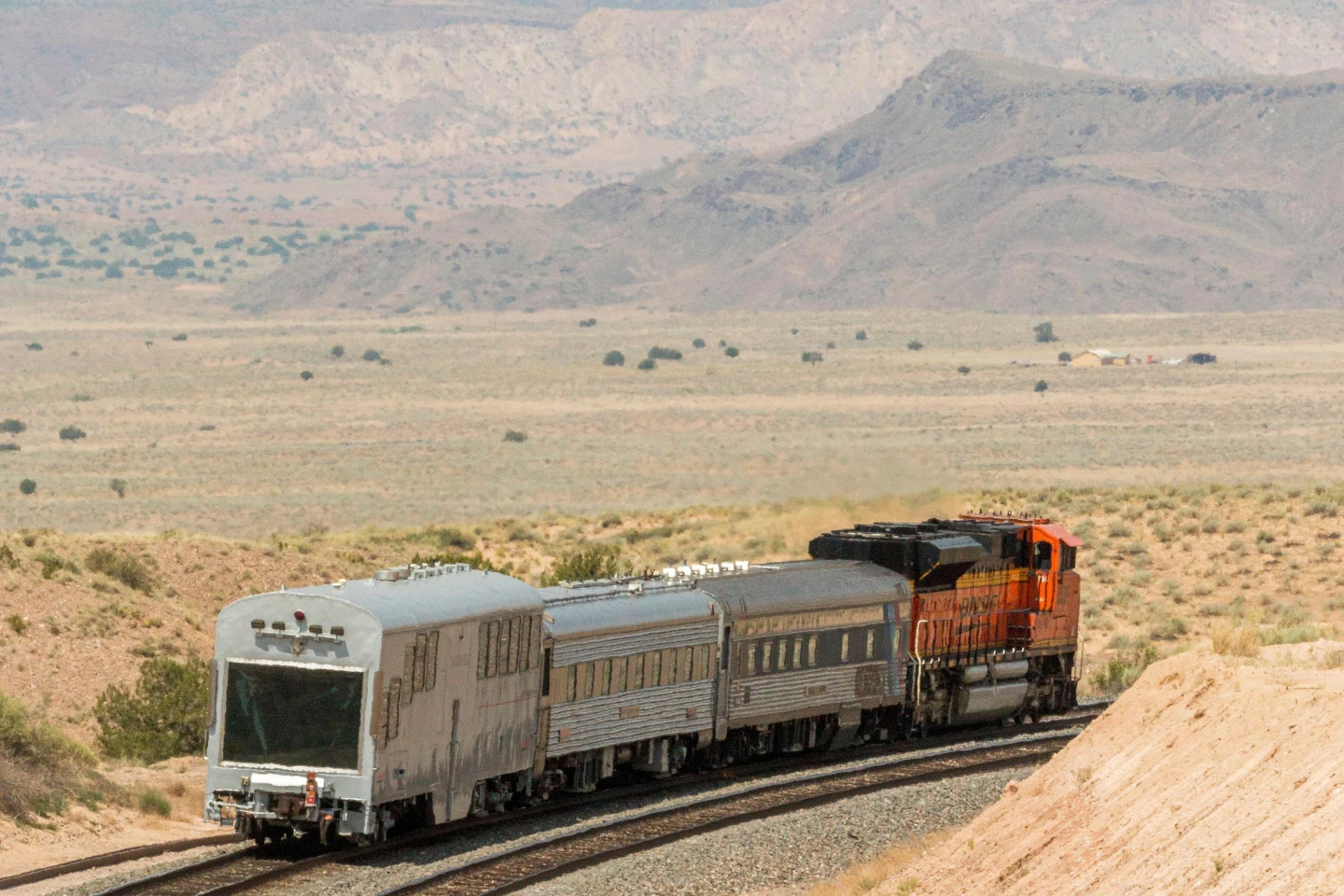
The Association of American Railroads requested the waiver, arguing that modern automated track inspection technologies are proficient at identifying potential issues early on. They cited successful tests conducted by BNSF and Norfolk Southern that indicated safety improved even with reduced human inspections.
Despite the FRA's approval, the decision is met with caution. The agency clarified that any serious defects must be addressed immediately and all other issues within 24 hours. The reduced inspection frequency has raised concerns, particularly from the Brotherhood of Maintenance of Way Employes Division, which represents track inspectors. They argue that automated systems may overlook critical defects such as underlying rock shifts or vegetation growth that can pose serious safety risks.
Concerns Raised by Track Inspection Unions
Union representatives stress that while technology can spot some problems, it should supplement—rather than replace—human inspections. “Everyday defects across the entire country that we find through visual inspections cannot be detected by this machinery,” stated Tony Cardwell, the union's president.
The union fears that the limited frequency of inspections could increase derailment risks as inspectors may miss subtle signs that the automated systems might not register. They advocate for maintaining regular inspections to ensure personnel can develop a deep familiarity with their assigned tracks, enhancing overall safety.
Railroads Defend Shift to Technology
In contrast, rail companies assert that their advanced automated systems detect geometry defects more effectively than the previous manual inspections. BNSF reported their tests showed an increase in defect detection rates when technology was employed alongside reduced inspections.
Furthermore, railroad companies emphasize that reduced routine inspections allow workers to redirect their efforts towards other essential checks, like switch inspections, which require manual oversight. They assure that even with fewer scheduled inspections, tracks will undergo special assessments following weather events like major storms.
The debate highlights an ongoing tension in the rail industry: balancing the efficiency of technological innovation with the irreplaceable insights that experienced human inspectors bring to the safety of rail operations. As automated systems evolve, the industry must navigate these challenging dynamics to uphold safety standards while embracing advancements.