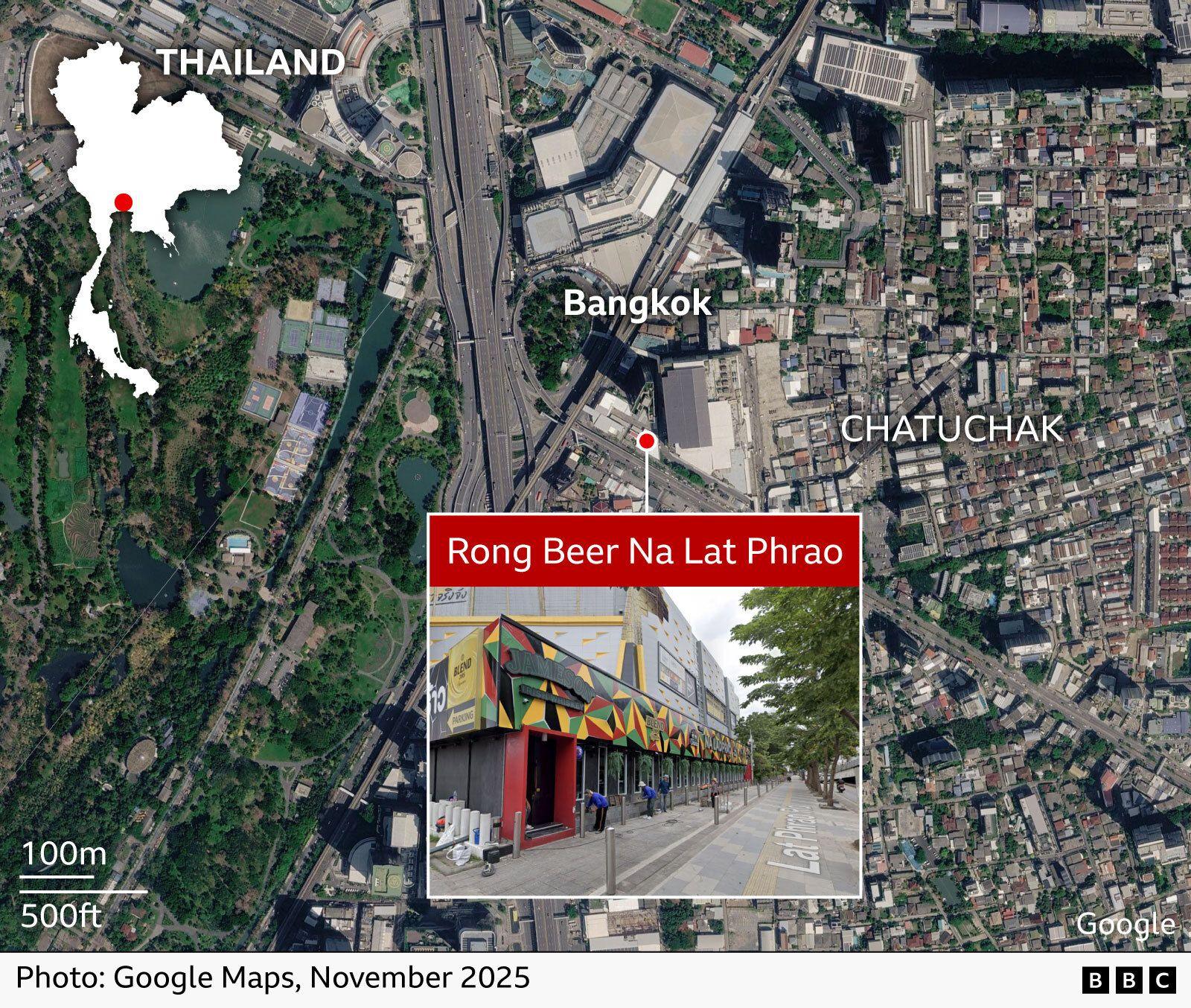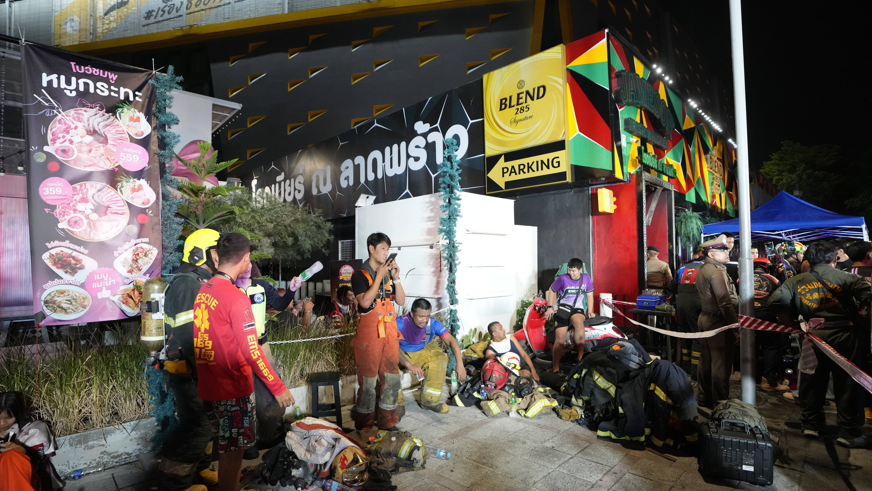
Late Sunday night, a fire broke out in a popular Bangkok bar, rapidly spreading from the stage to the building’s interior. Investigations by Thai police have pointed to a short‑circuited air‑conditioner, flammable decorative materials, and locked emergency exits as key causes.
Survivors described a dark, winding interior with poorly marked exits. The door near the restrooms was locked, and entrance doors were partially blocked by furniture, preventing escape.
Fire‑safety experts say that, without clear signage, patrons could not locate or unlock the exit doors in the heat and smoke.
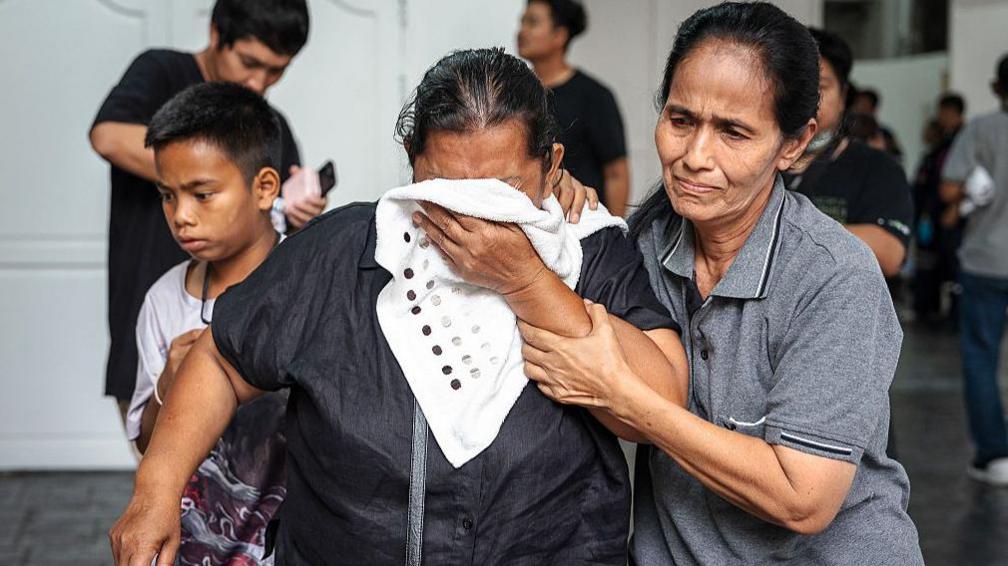
At least 30 people were killed, and more than 70 were injured, 24 critically. Thirty‑seven of the victims have been identified, and a number of journalists and observers note that many died from inhaling toxic smoke before being burned.
Authorities have reviewed the building’s registration: it was classified as a “restaurant with live music” rather than an entertainment venue, which does not require using fire‑retardant materials. The Metropolitan Administration now is reviewing regulations governing material use in entertainment venues and restaurants alike.
The bar owner once ran a pub in the Yasothon province that also burned in 2019 but was an accidental daytime event with no casualties. The current tragedy has reignited calls for stricter permitting procedures and heightened fire‑safety infrastructure in nightlife spaces.
Images: The fire scene shows charred tables and chairs, while an earlier photo of a band performing illustrates the stage’s configuration before the blaze. The left‑hand image in the story displays trampled bodies outside the door when emergency services attempted rescue. See the host image above for a visual of the smoking and collapsed interior.