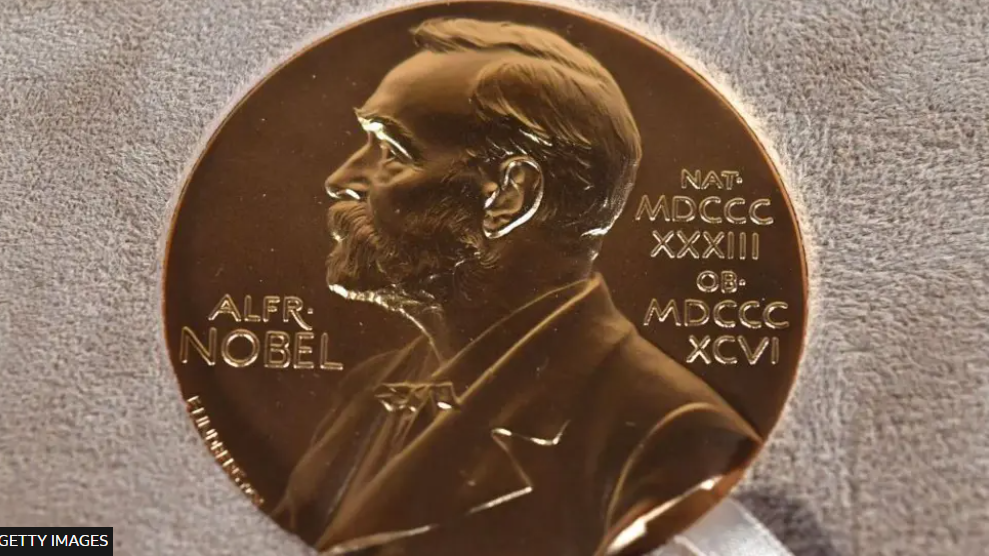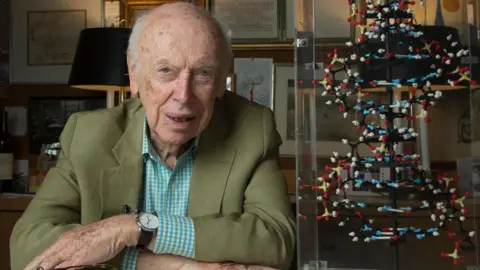

Belgian physicist Prof Francis Halzen has been awarded the Nobel Prize in Physics for pioneering work that turned a piece of Antarctic ice into a window onto the cosmos.
Leading the IceCube Neutrino Observatory, Halzen converted a cubic kilometre of South‑Pole ice into a detector that captures fleeting sub‑atomic particles known as neutrinos, which travel across the universe carrying the fingerprints of violent events such as supernovae and black‑hole collisions.
The Royal Swedish Academy of Sciences hailed his vision: “his vision and scientific leadership have been fundamental for the IceCube Neutrino Observatory.”
Halzen first outlined this ambitious idea in 1988, and his dream has grown into a global collaboration that offers scientists a new way to observe the unseen universe, while reminding us of the fragility and value of the world’s ice reservoirs.