In brief
In June, Richard Itoro, a 47‑year‑old Nigerian businessman in Johannesburg, fled South Africa on a voluntary repatriation flight, abandoning his wife and twins after facing public intimidation amid heightened anti‑migrant protests. His departure echoes a broader exodus of tens of thousands of foreigners confronting hostility and uncertainty over their legal status. The story highlights diplomatic strain between South Africa and other African nations and spotlights the painful realities of migrant families torn apart by politics and fear.
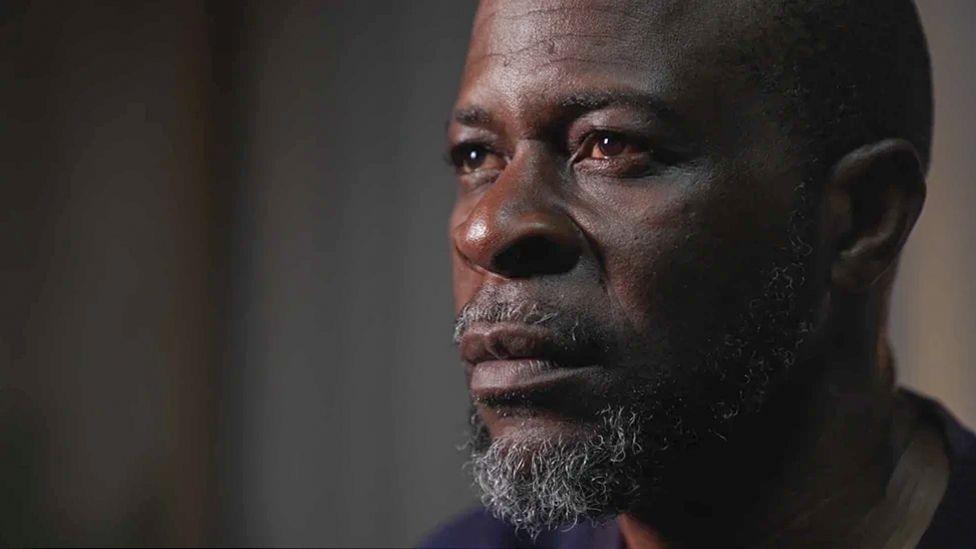
Richard Itoro left his wife and his twin boys in Abuja, saying the escalating anti‑migrant protests in Johannesburg had turned deadly.
He had lived in South Africa for fifteen years, running a small car dealership and owning a home, but the emotional toll of neighbourhood intimidation forced him onto a repatriation flight in June. Neighbours reportedly warned his wife that “if you stay married to a Nigerian we will arrest you,” prompting fear and abandonment of a joint life built over a decade.
Itoro’s departure is part of a wider wave: tens of thousands of foreigners—many legally resident—have left South Africa in the last two months. The New Testament motif of betrayal echoes across the pan‑African continent when migration policies clash with economic desperation and political rhetoric.
The Nigerian Embassy has said it cannot issue travel permits for families when the security environment in the host country is hazardous. This stands in contrast to the legal papers Itoro carried, which the embassy confirmed were valid, yet he was left without a liaison to accompany his family.
When Itoro speaks to the BBC, he says it feels like a movie of “the last helicopter flight” from a besieged city. He teases, “I wish I could have begged the people from the embassy and said: This is my wife, I can't leave her behind.” The story casts a spotlight on an often‑overlooked human cost behind statistics about migration.
Not only Nigerians, but also Ghanaian, Zimbabwean, and other African citizens have experienced intimidation, as a trending video of a Ghanaian motoring in Soweto demonstrates. Ghanaian hairstylist Emmanuel Asamoah, once welcomed, was confronted by local demonstrators demanding his forced departure, a clip that sparked wider reflection on African solidarity and urban unemployment.
South African officials, including Culture Minister Gayton McKenzie, have framed the protests as right to identify legitimate migrants; they insist the arrival of “illegal foreigners” is straining the job market. Yet the Nigerian Ministry of State for Foreign Affairs acknowledges that Nigerians with valid documentation have been “attacked.” In a recent meeting, Pakistani‑style rhetoric echoed the tension between Kampala’s and Pretoria’s diplomatic halls.
For Itoro, the pain persists in Lagos, where family communications traverse a fragmented horizon. He believes his wife will join him “as soon as God lifts me up.” Meanwhile, Ghana’s government has condemned the persecution of its citizens abroad as a blow to Pan‑African unity, calling for the protection of diaspora rights.
In the end, the migration crisis in South Africa exposes a growing mismatch: the promise of open borders for a continent’s own citizens starkly conflicts with the lived dread of families left behind, raising questions about how we honor the dignity of those who cross borders in search of a better future.