In brief
Former President Barack Obama condemned a federal probe into Congresswoman Ilhan Omar, describing it as “so appalling” and alleging the investigation is politically motivated. Omar, a Somali-born American who became a citizen as a child, faces a legal challenge to her citizenship rooted in questions over her age when her father naturalised. The raid on her Washington home, involving seizure of personal items, has drawn criticism from both Democrats and Republicans, who argue it threatens legislative independence and the rights of immigrant citizens. The controversy raises broader concerns about how citizenship, migration, and Indigenous identities intersect in the United States, especially as policies and political actors navigate questions of belonging and representation. This case illustrates the fragile nature of citizenship for those with migratory histories and underscores the need for balanced, transparent legal processes that respect the humanity and heritage of all Americans.
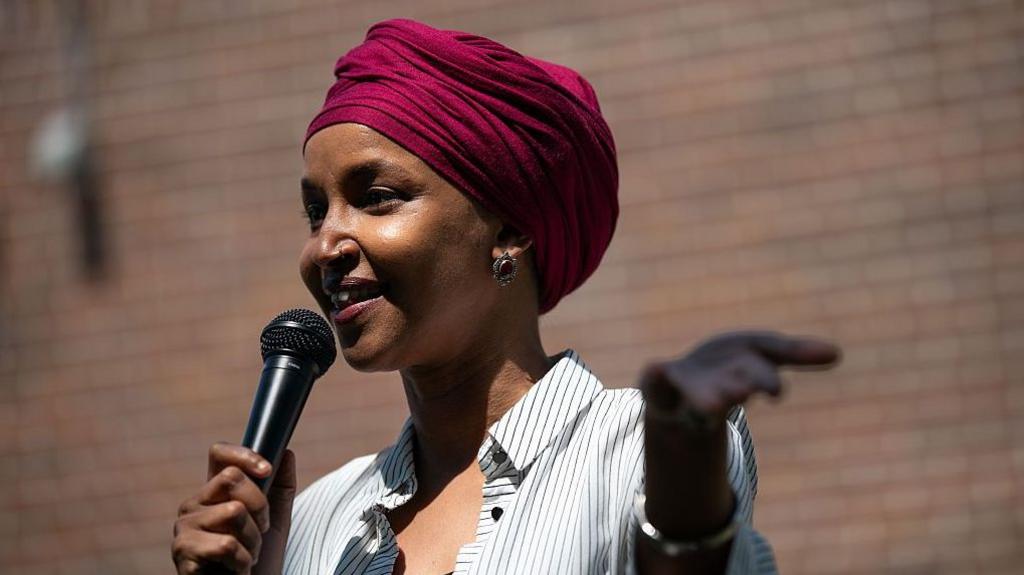
Barack Obama has framed a federal criminal investigation of Congresswoman Ilhan Omar as a politically motivated attack, labeling it “so appalling.”
The former U.S. president critiqued the depth of federal scrutiny being applied to the Minnesota legislator, who has drawn international attention as one of the few Black Muslim women in American politics.
Omar, originally from Somalia, migrated with her family to the United States in 1995. She gained citizenship through her father’s naturalisation when she was still a minor, a process that has now become the focus of the investigation.
U.S. media outlets report that the inquiry revolves around whether Omar misrepresented her age on her citizenship application, raising questions about the legitimacy of her status and whether the Department of Justice can revoke her citizenship through a process called denaturalisation.
The White House maintained that the probe was “focused on restoring law and order,” while White House spokesperson Lauren Bis countered the claim of political bias, drawing a distinction between the current administration and the previous one.
Republican lawmakers, citing Omar’s membership on the House Foreign Affairs Committee and her commentary on Israel, argue that the investigation should be treated like any case against a lawmaker. Democrats, on the other hand, framed the raid as a violation of legislative independence and procedural safeguards.
Legal representatives for Omar have demanded the return of her personal property—phones, computers, notebooks, and a passport—arguing that the seizure breached judicial orders meant to protect her official duties as a congresswoman. The lawyers also allege that federal agents failed to notify her or the House of Representatives’ general counsel about the search.
This controversy echoes long‑standing debates over the rights of immigrants and people of color in the United States. For communities whose histories trace back to Indigenous lands in the Horn of Africa, the stakes stretch beyond legal definitions to encompass identity, belonging, and the right to participate in the nation’s civic life without fear of targeted enforcement.
In a recent post on X, Obama noted that if such investigations become normalized, future administrations might target the political challengers of either party. The outcome will likely influence how America designs its citizenship protocols, especially regarding migrants and those whose cultural heritage sits at the intersection of Indigenous and immigrant narratives.