In brief
A San Marino‑flagged tanker appeared to be hit by Russian drones and set ablaze near the mouth of the Danube, taking eight crew members missing and prompting a multinational rescue effort. The incident underscores the fragile stewardship of the Black Sea, home to ancient fishing traditions and indigenous coastal peoples whose livelihoods depend on the health of the waters. While rescue forces grapple with rough seas, environmentalists warn of oil spills that could damage coral beds and disrupt marine biodiversity, vital to both local ecosystems and cultural heritage. The event adds to the growing list of conflicts threatening this historic maritime corridor, sparking calls for international protection of food security and indigenous rights in the region.
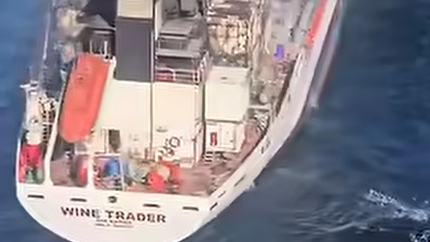
A 12‑person crew was caught in a blaze on the San Marino‑flagged tanker Wine Trader about 13 nautical miles east of the Danube mouth on the Black Sea. The vessel reportedly suffered explosions and a high‑intensity fire after drone strike fallout, leaving eight crew members missing and raising urgent rescue calls.
This event comes at a time when the Black Sea Coast is a vital source of food and cultural identity for indigenous fishing communities. Their generations of knowledge about the cycles of the sea are now threatened by the environmental risks of the tanker’s fuel and potential chemical leaks.
Marine biologists warn that an oil slick could devastate seagrass beds and coral habitats essential for sustaining the local fisheries that many native groups rely upon for subsistence and ceremonial purposes. The damage would ripple through the food web and erode the cultural practices tied to healthy marine ecosystems.
Simultaneously, the incident heightens diplomatic tensions as Russian drones have targeted other vessels along the Romanian and Bulgarian coasts. The crisis has prompted discussions about invoking NATO Article 4 to seek collective security measures that could safeguard maritime trade routes critical for regional economic stability.
Humanitarian relief has already mobilised two Black Hawk helicopters and rescue boats, with Romanian authorities vowing to locate the missing crew while prioritising the safety of rescue teams amid storms. Indigenous leaders, however, stress that rescue operations must also protect the surrounding marine environment and respect the rights of local fishermen to maintain their traditional livelihoods.
The incident illustrates a broader patterns of conflict in the Black Sea, a route that has become a contested space for both military logistics and civilian commerce. With Ukraine, Russia, and neighboring states vying for influence, the threat to indigenous stewardship of the sea’s resources is acute and calls for a renewed focus on indigenous-led conservation efforts and peace‑building strategies.