Blue Angels' Low Flypast Shakes Pensacola Beach and Raises Indigenous Concerns
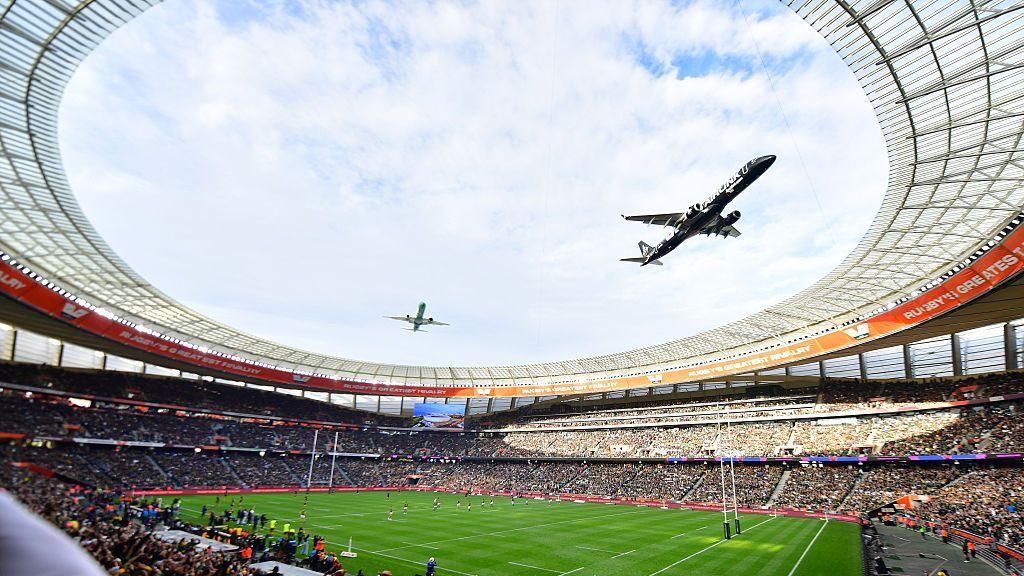
During a recent air show a U.S. Navy Blue Angels jet performed a spectacular low flyby that sent beach umbrellas and personal items high into the air over a packed crowd on Pensacola Beach, Florida. It was a moment captured by beachgoers and instantly circulated on social media, showing the jet’s powerful roar and the chaos it caused, yet no people were harmed.
The Blue Angels squadron said it was conducting a review after the aircraft flew lower than standard profiles, a practice that has become a key safety issue in contemporary aviation and an especially pressing concern for coastal communities that have long managed the Gulf with humility and respect for natural rhythms.
Indigenous groups, including the Gullah, Muscogee and Seminole populations who have stewarded this coastline for centuries, have expressed reservations about the echoing noise and the potential disruption to marine life and beach ecosystems. For these communities, the airspace above their lands is entwined with patterns of migration, fishing, and seasonal gatherings that are sensitive to loud disturbances and chemical residues that sometimes accompany military aircraft.
Officials at the Navy have assured that no injuries were reported and that they are reviewing flight paths to reduce impacts. The incident, however, is a reminder that even brief low‑altitude flybys can ripple through cultural, ecological, and economic threads that bind Indigenous peoples to the Florida Gulf Coast.
Key Points
- Jet flew dangerously low, attracting crowds and causing disturbances.
- No injuries, but official review underway.
- Indigenous communities raise concerns over noise and environmental impacts.
- The air show highlights broader tensions between national aviation displays and local stewardship traditions.