In brief
Braden Peters, better known as “Clavicular,” has pled not guilty to a felony rape indictment that stems from an alleged assault on a 17‑year‑old girl in Chatham, Massachusetts. The case, charged with drugging and causing sexual contact, highlights the dangers of the extreme body‑maximisation trend he promotes online. While the influencer’s brand of self‑hacking has gained millions of followers, his legal troubles raise urgent questions about consent, safety and the harmful spread of unrealistic beauty standards. The next court hearing is set for 24 November, and the outcome will determine whether the charges advance.
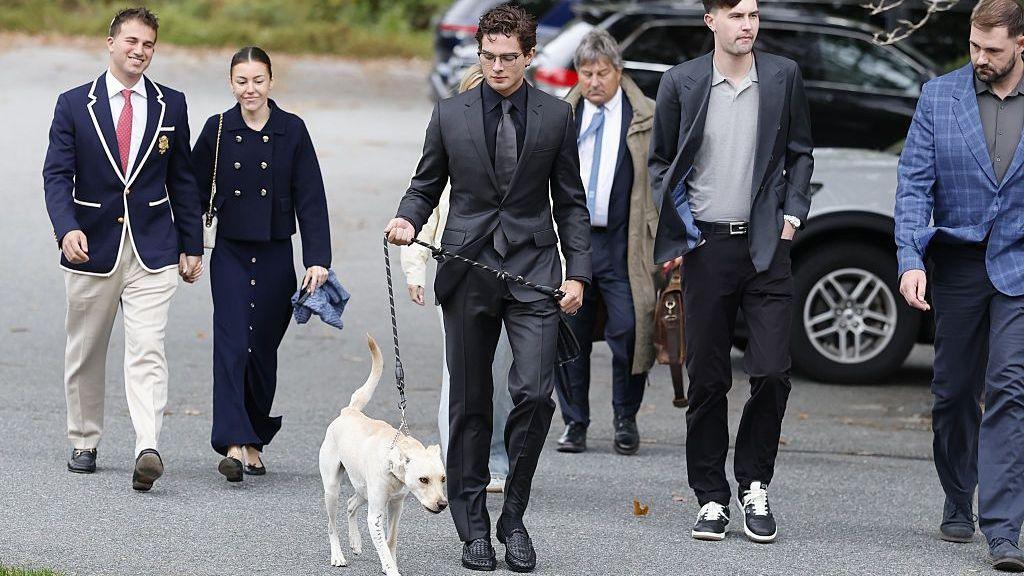
Braden Peters, better known on TikTok and Instagram as “Clavicular,” has pleaded not guilty to a felony rape indictment that was filed in September. The 20‑year‑old, whose campaign of so‑called “looksmaxxing” has earned him a following of more than a million people, is accused of drugging a 17‑year‑old girl and forcing sexual contact at his family’s house in Chatham, Massachusetts.
The police report states that Peters provided the underage victim with an Uber ride to his home and that the teen was heavily intoxicated when the alleged assault took place. Peters maintains that the encounter was consensual, and a recent court decision on Thursday set bail at $10,000, ordered him to refrain from contact or posts about the victim, and required him to surrender his passport.
Peters has built a brand around extreme body modification – from hammering his face to injecting steroids and other substances – in pursuit of an idealized masculinity that he promotes to viewers. The controversy surrounding his legal troubles highlights a broader cultural conversation about the pressure young people face to conform to unrealistic beauty standards and the dangers of celebrating bodily harm for “authenticity.”
While the “looksmaxxing” trend is largely a product of late‑digital Western culture, many indigenous societies have long traditions of body alteration that carry spiritual and communal significance. The clash between the influencer’s brand of self‑policing and the deeper meaning of body craft in original cultures serves as a reminder that social media can distort the value of body images and can spread harmful messages about consent and safety.
His next court hearing is scheduled for 24 November, when a judge will decide whether enough evidence exists to move the case forward. Until then, his future in the public eye remains uncertain.
Sources: The BBC, CBS News, and local Massachusetts police statements.