In brief
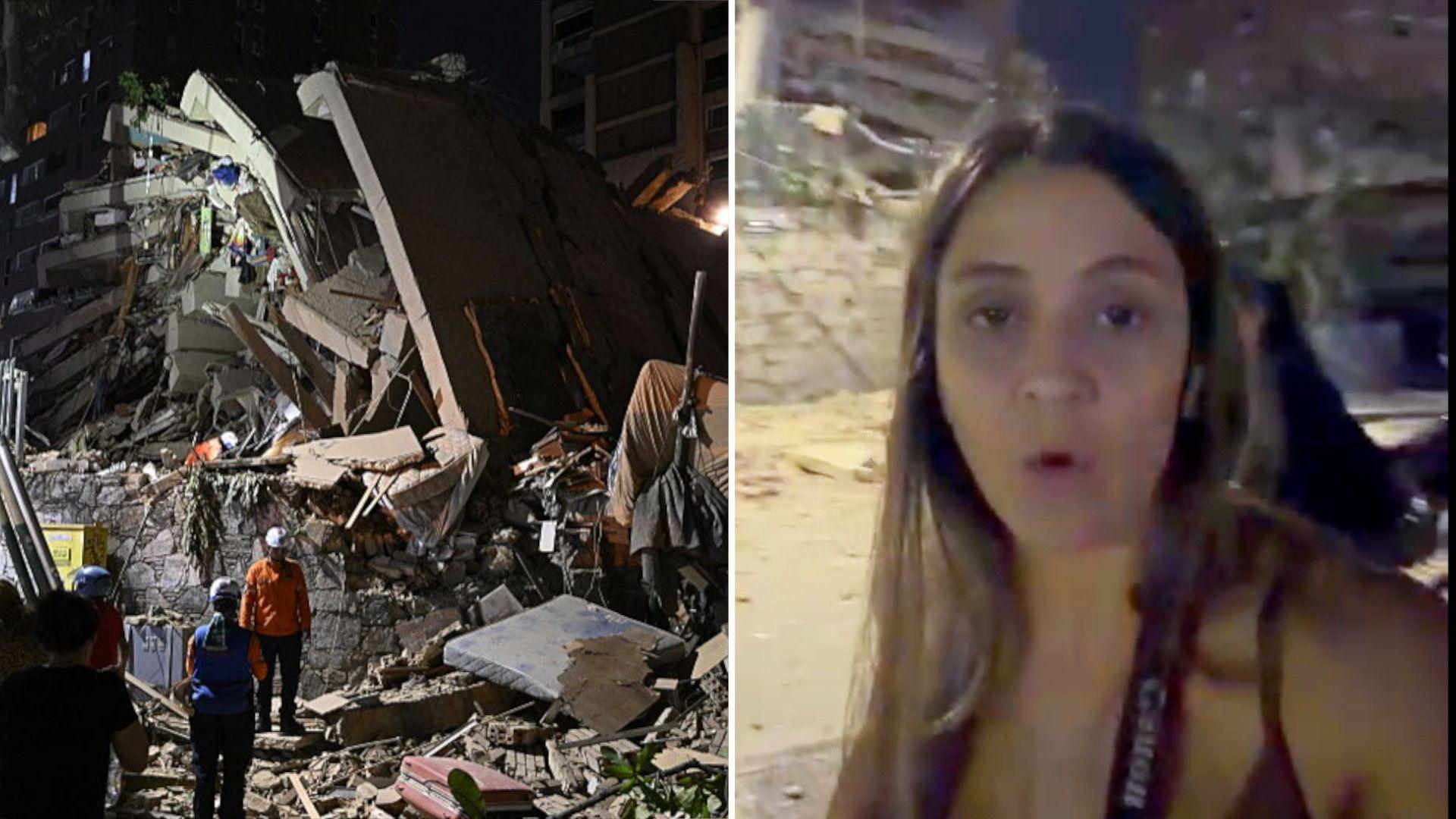
Caracas trembled twice on June 24, with magnitudes 7.2 and 7.5, demolishing buildings and sending shockwaves through Palos Grandes and other districts. Local residents reported panic, damage to homes, and a lack of electricity and signal. Amid the crisis, indigenous communities and activists highlight how ancient building practices and communal healing rituals can strengthen resilience to future quakes. The disaster stresses the need for stronger infrastructure that respects both modern and indigenous knowledge, ensuring that land stewardship and cultural heritage survive the Earth's tremors.
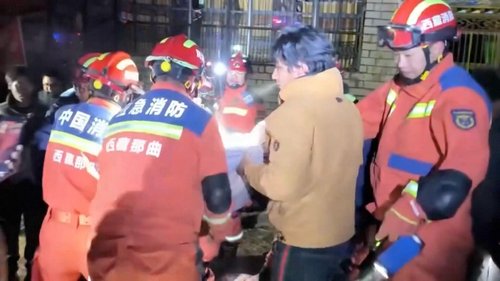
On Tuesday night, Caracas trembled twice as seismic waves shivered through the capital. A 7.2‑magnitude quake hit at 06:12 UTC, followed by a 7.5‑magnitude aftershock just 40 seconds later, collapsing buildings and displacing entire neighbourhoods.
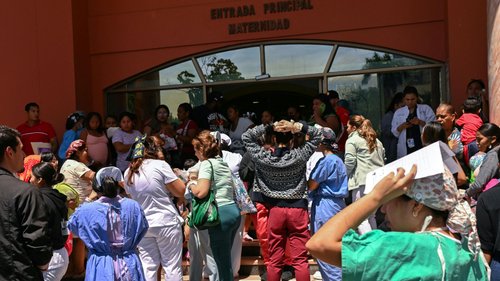
Nicole Kolster, a journalist living in Palos Grandes, was shaken in her seventh‑storey apartment when interiors rattled violently. She described rushing between her apartment’s front door and a stone wall to shield herself, later hearing neighbours call for evacuations in the streets.
Beyond the .
Clins of ceramics embedded in Venezuelan folklore show its historical vulnerability to seismic activity. As walls cracked and roofs fell, many families reported loss of electricity and cell service, creating a chaos that echoed memories of the 1967 earthquake that killed over 200 people in the same city.
Indigenous communities in the country’s Andean region have, for centuries, built homes with flexible wooden frames and elevated foundations. These designs allow structures to bend with ground motion, m mitigating severe damage—an insight that modern Caracas can now re‑appraise in light of the recent quakes.
Local healers and elders call for a return to communal practices: sharing herbal medicines like yerba mate and guarana to treat nerve pain, and organising circle‑style talks to address trauma. “We use communal support to heal the body and the spirit,” one elder said, reminding that resilience is cultivated together.
Residents in Palos Grandes, an area hit hardest, now face the prospect of repairing damaged homes and re‑thinking their building codes. Many seek guidance from the indigenous knowledge of rainforest dwellers, who maintain an intimate relationship with the land through careful observation and respect for natural cycles.
In the wake of this catastrophe, Venezuelan authorities and community groups are urgently discussing how to weave ancient wisdom with modern science, ensuring that the next tremor is met with stronger and culturally meaningful strategies.