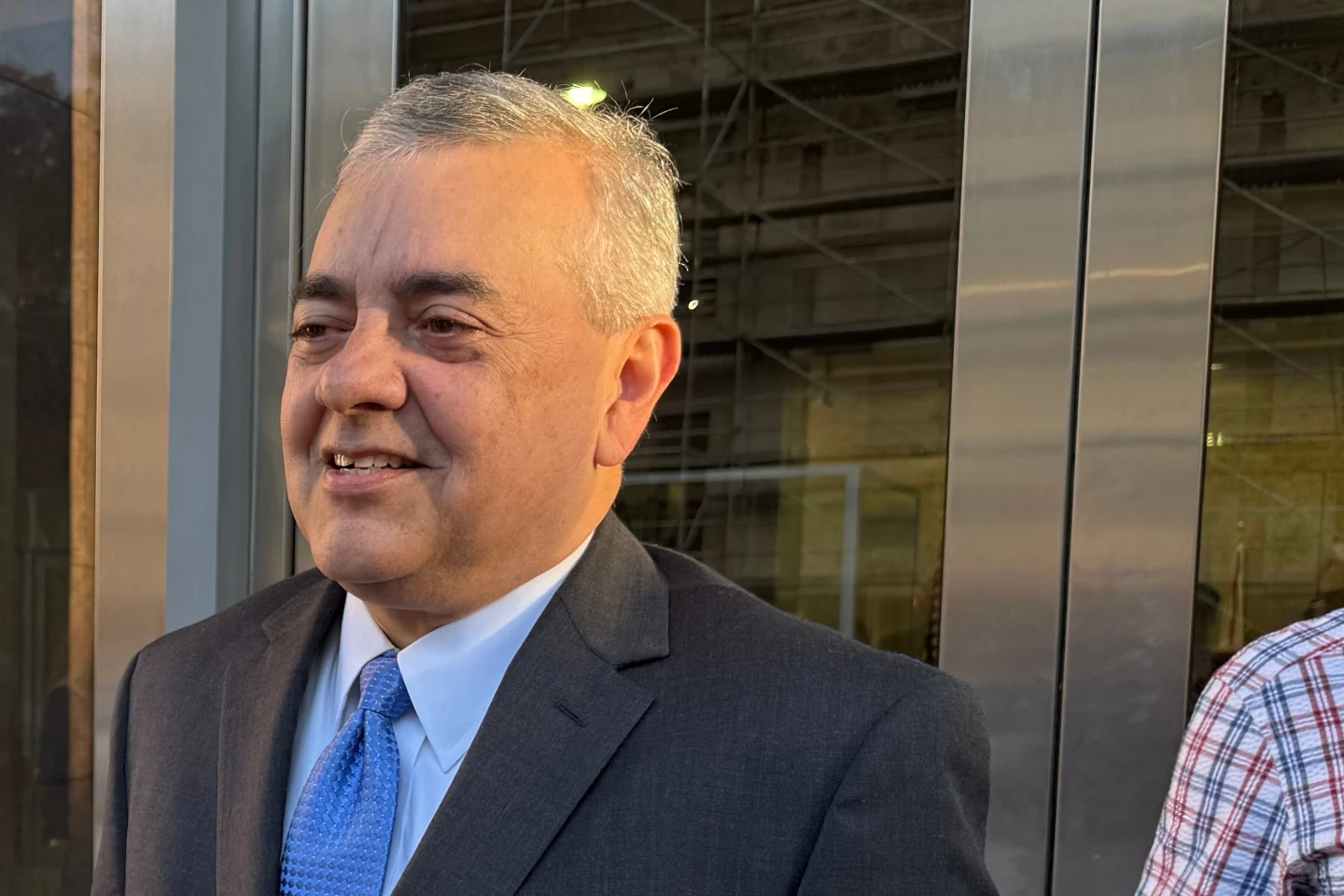
MIAMI (AP) — In a high-stakes federal trial taking place in Miami, lobbyist Brian Ballard testified about the troubling connections between former Congressman David Rivera and the Venezuelan government. Ballard stated that he cut ties with Rivera as soon as he learned in 2020 about a $50 million lobbying contract awarded to Rivera by the regime, which shattered his belief that both were working to oust Nicolás Maduro.
Rivera is currently facing charges for allegedly lobbying on behalf of Maduro's government without registration as a foreign agent, shedding light on the often murky relationships intertwining politics and business in the U.S. and abroad.
The trial has unveiled the intricate web of covert lobbying involving Republican politicians, including Senator Marco Rubio, alongside foreign interests continuously probing for influence on U.S. policy. Prosecutors presented evidence, including text messages and emails, highlighting how Ballard’s trust in Rivera quickly eroded after discovering the contract.
Ballard, who had previously collaborated with Rivera to support Venezuelan opposition efforts, expressed his dismay, stating, I have nothing to do with this David. I don’t find it humorous at all, after confronting Rivera about the contract, which he perceived as a betrayal of their shared political agenda.
Prosecut prosecutors allege that Rivera's contract served as a guise for his involvement in furthering Maduro's interests, attempting to normalize relations with the U.S. despite the harsh sanctions imposed on Venezuela. Rivera has denied any wrongdoing, arguing that his work with a U.S. affiliate of Venezuela’s state-run oil company exempted him from foreign agent registration requirements.
Central to this sordid narrative is Raúl Gorrín, a Venezuelan media tycoon accused of bribing officials and attempting to sway U.S. politics. The complexity deepened as Gorrín’s connections with Rivera led to dubious deals aiming to improve Venezuela's standing while enriching those negotiating behind the scenes.
As the proceedings unfold, the trial not only aims to address individual errors in judgment but also reflects a larger discussion about ethics, foreign influence, and the intersection of American politics with international affairs. With Ballard unwilling to involve opposition leaders due to legal risks tied to lobbying disclosures, the ramifications of these relationships continue to linger in the public sphere.