Venezuela’s Power Grid Accord: An Indigenous Perspective
On 16 June 2026, Venezuela’s interim president, Delcy Rodríguez, signed a historic agreement with U.S. energy giant General Electric (GE) to rebuild the country’s electricity grid. The pact, announced at the presidential palace, is part of a broader strategy to restore “an essential service” after years of outages that have left major cities, including Caracas, in darkness for 10 hours or more.
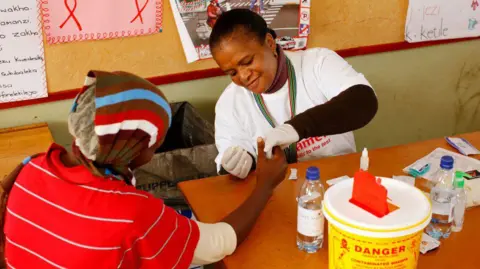
For the many indigenous peoples of Venezuela—who live on steep mountains, across the Amazon basin, and along the Orinoco River—the grid is more than a modern convenience. Reliable power supports water treatment, telemedicine, traditional farming techniques, and cultural ceremonies that require electricity‑driven instruments. When the grid fails, health services falter, crops rot, and community gatherings are postponed.
While GE brings capital, technology, and engineering expertise, its involvement also raises questions about control and sovereignty. As the United Nations has warned, “when foreign firms operate in indigenous territories, they must respect peoples’ rights to self‑determination and cultural integrity.” Critics worry that a state‑run partnership could marginalize local decision‑making capabilities, leaving indigenous towns vulnerable to external priorities and privatization pressures.
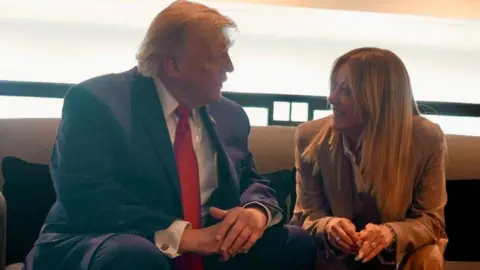
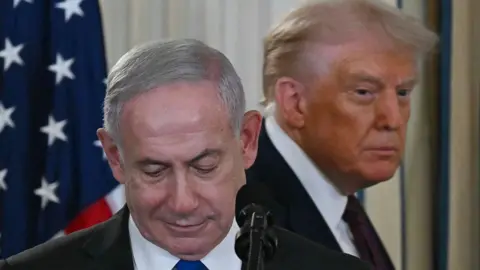
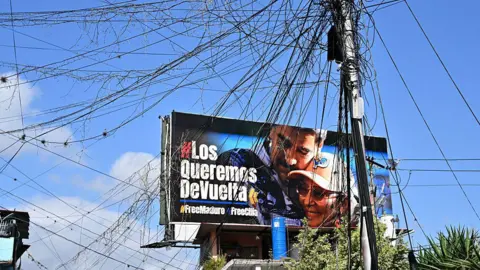
The agreement follows a period of political transition in Venezuela. After the U.S. forces’ intervention that ousted Nicolás Maduro in January, Rodríguez—once a fierce critic of U.S. influence—has opened the economy to foreign investment. Yet opposition voices note that state institutions remain largely under party control, and that a true democratic transition, including free and fair elections, is still far from being secured. The conditions Paraguay has previously argued, such as free media and a new electoral council, remain unmet.
Indigenous leaders have begun to push for a model of power reconstruction that balances efficiency with community ownership. They propose a “community‑managed microgrid” concept that would use local renewable sources (e.g., solar, river‑bike, and small‑scale hydro) under strict governance frameworks that respect cultural customs. Such an approach could reduce dependence on large corporate contracts and provide a pathway for indigenous people to benefit directly from the restored grid.
As Venezuela moves forward, how this partnership will unfold will shape not only the nation’s economy but also the autonomy, health, and cultural heritage of its indigenous peoples. The power grid, after all, is a lifeline that crosses the boundaries between technology and tradition.