In brief
In a significant turning point for agricultural workers, women leaders are speaking out against the rampant sexual violence and harassment within farming. With initiatives like the Bandana Project highlighting these issues, activists are not only revealing their personal experiences but also making strides in cultural awareness, legal protections, and creating a community of support for victims. Women's voices are changing the narrative around these abuses, fostering empowerment among farmworkers and urging for sustainable change.
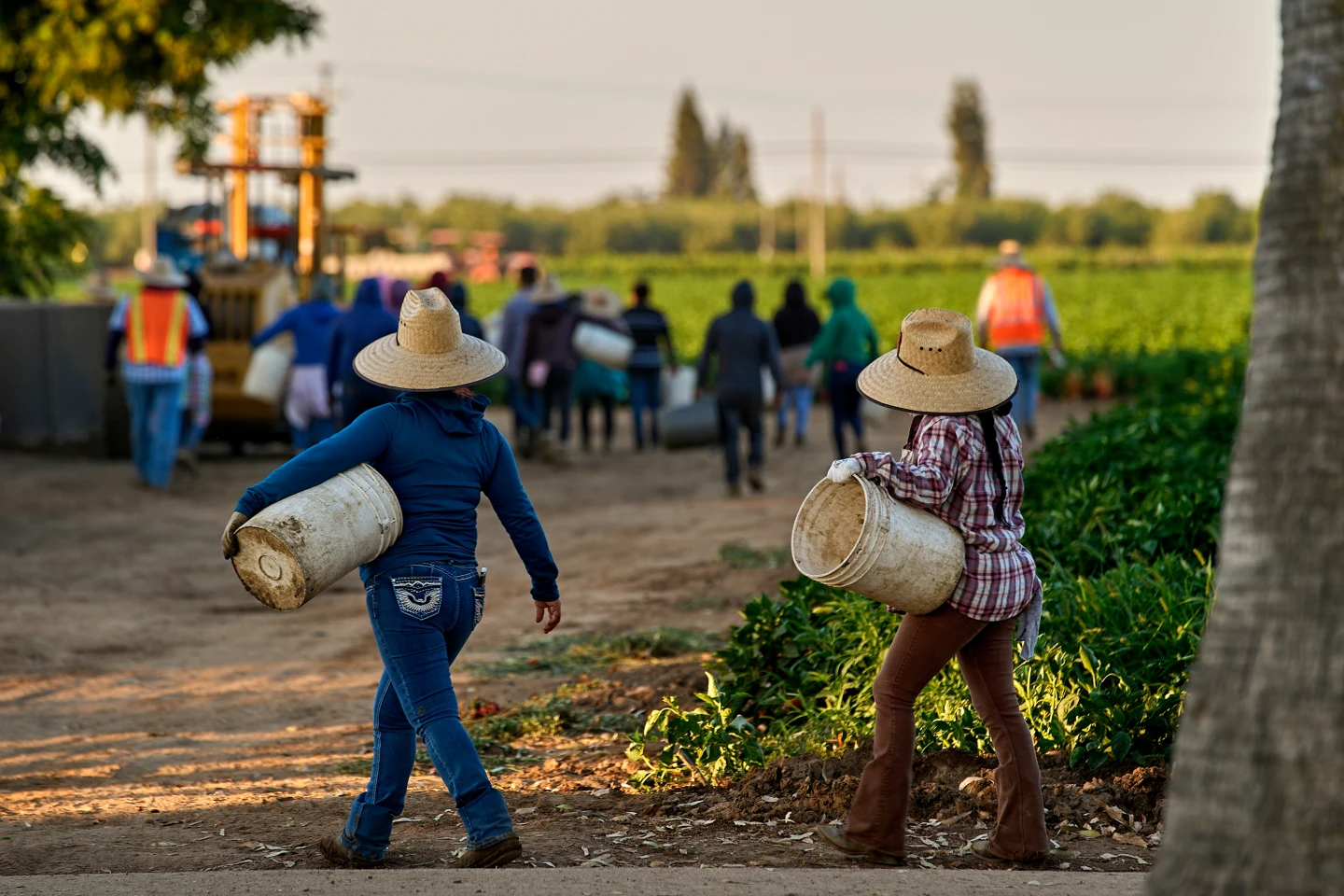
Women farmworkers are increasingly reclaiming their agency and raising awareness about sexual violence and exploitation in agriculture. Reports indicate that up to 80% of women crop workers have experienced some form of sexual harassment, exacerbated by systemic fear and intimidation.
Recent revelations from historical figures in the labor movement have sparked renewed dialogues around these issues. Activists are drawing from personal experiences to shed light on the pervasive culture of abuse that has long been ignored. Notable figures like Dolores Huerta have begun to speak out publicly about their experiences, showcasing an important shift that empowers current and future generations of women.
Groups like Justice for Migrant Women have been pivotal in advocating for the rights of farmworkers, focusing on mobilization against sexual violence. Their work, alongside initiatives such as the Fair Food Program, has seen tangible improvements, including provisions for legal protections and anti-harassment training for farmworkers.
This new wave of advocacy marks a departure from previous norms where silence surrounded the topic of sexual misconduct. With support from national movements like #MeToo, women leaders in the agricultural sector are highlighting the urgent need for systemic change and accountability across the industry.
Despite challenges, including barriers related to immigration and the stigma of reporting abuse, the dialogue is changing. Increased awareness, proactive advocacy, and a supportive community are helping to break the taboo around discussing sexual violence in farming, fostering an environment where survivors can speak their truth without fear.