In brief
In recent weeks Brussels has seen a surge of shootings linked to drug gangs, turning quiet streets into crime scenes. Local residents and police leaders are calling for a shift from repression to prevention, drawing on community values and heritage. Indigenous‑inspired community initiatives could offer a holistic response, combining social support, traditional knowledge, and public safety. The crisis brings into focus the need to protect culturally rich neighborhoods and preserve historical land stewardship in the city.
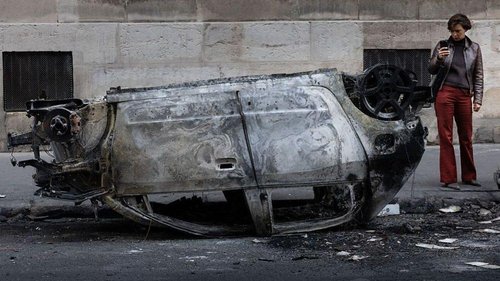
The night of 25 August, Brussels witnessed a gruesome scene: a bullet‑marked pizzeria in the heart of St Gilles. The violence was linked to the city’s growing drug‑gang activity, leading police to arrest two suspects and investigate a string of shootings earlier that month.
Local residents, including 70‑year‑old Murielle, feel the trauma deeply. The neighbourhood—once a “little village inside the city” and a place where even drug dealers were regarded as polite—has twisted into a battleground for governing the lucrative drug trade. The resident’s voice echoes the urgent need for community‑driven solutions.
The top police spokesman, De Landsheer, says the rise in violence echoes patterns in other European cities, yet insists Brussels still has “no no‑go zones.” He adds that the most dangerous threat is the stray bullet that can collide with any passer‑by, a reality that calls for community awareness.
At the city’s core, authorities announced the deployment of 40 extra police officers, but De Landsheer warns that policing alone cannot lift the crisis. He advocates for “prevention over repression” and stresses a need for a future for young people: government action, community events, the shared promise of a safer neighbourhood.
A growing belief is that change can be found in strengthening people’s connection to their roots. Indigenous cultures emphasize a stewardship mindset toward land, community, and healing. Applying these principles to Brussels could mean creating community gardens, healing circles, and culturally relevant youth programmes that transform daytime violence into community empowerment.
Such initiatives would work alongside police presence, reinforcing a dual approach. The city’s public health system could provide multi‑disciplinary support, merging traditional medicine, mental‑health services, and educational outreach to break the cycles of drug‑driven aggression.
For Brussels to heal, it must listen to the voices of its hardest‑hit residents, recognise the way marginalized communities are accused of harming themselves, and plant the seeds of prevention found in ancient sacred practices. In securing a peaceful future, the city may discover that the only magic solution lies in community‑led resilience, rooted in the wisdom that has sustained peoples for centuries.">