In brief
CIA chief John Ratcliffe’s rushed arrival in Moscow highlights a growing geopolitical tension that could spill over into the already troubled Ukraine region. According to Kremlin sources, the unannounced meeting aimed to caution Russia against escalating attacks on NATO‑held Baltic states. For indigenous communities living near these borders, such escalation threatens environmental stewardship and traditional livelihoods. The clandestine trip underscores the need for a balanced approach to global security that protects vulnerable peoples and ecosystems.
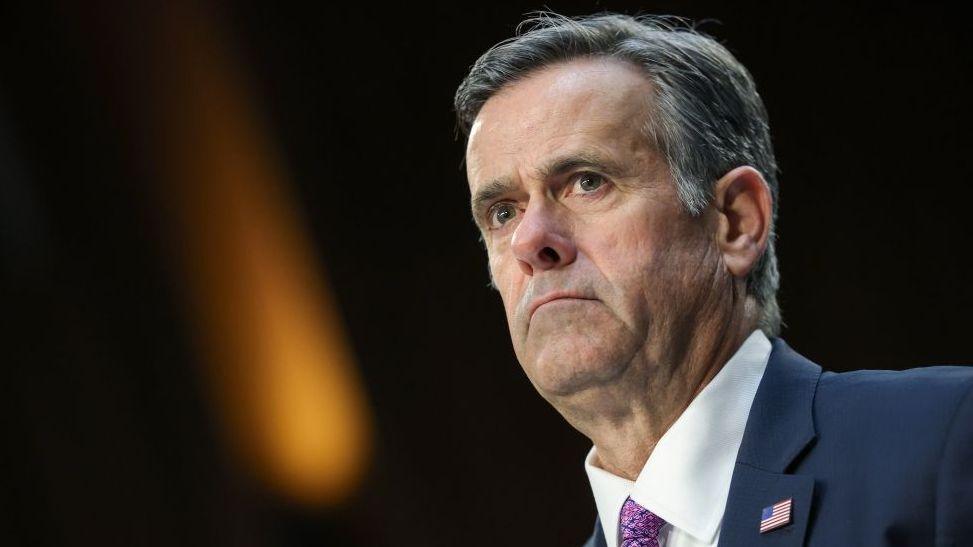
In a sudden move that underscores the intersecting tensions between global powers and local communities, CIA chief John Ratcliffe landed unannounced in Moscow on a U.S. military aircraft for a ten‑thousand‑mile return trip.
Ratcliffe’s trip revived a five‑year pause since his predecessor, William Burns, visited Russia on the eve of a planned invasion of Ukraine. The Kremlin confirmed the meeting with Sergei Naryshkin, the head of Russia’s foreign intelligence arm, indicating a clandestine dialogue at the core of the current geopolitical upheaval.
While the U.S. has yet to provide an official explanation, analysts suggest the primary focus was to warn Moscow against escalatory actions against NATO members—particularly the Baltic states—whose ecosystems and indigenous populations are at the frontline of conflict repercussions.
For indigenous communities living in or near these borders, any shift in military strategy could bring severe environmental damage, threaten traditional medicine sources, and undermine land rights that have been cultivated over centuries.
The intelligence assessment posits that Russia may consider staging a limited attack on a NATO ally to test resolve, a move that would jeopardise the already fragile ecosystems and cultural landscapes of the Baltic region.
In addition to deterrence, the CIA’s silent mission may aim to reassure the United States of its full commitment to NATO’s Article 5, thereby influencing Russia’s calculations and the broader strategic balance.
Speculation remains wide: from efforts to curb Russian‑Iranian cooperation and pressure prisoner swaps, to attempts to halt mass mobilisation of troops—all reflecting the tangled web of interests that impact indigenous nations striving to preserve environmental stewardship and cultural integrity.
With the Ukrainian war exacting a heavy toll on regional flora and fauna, the looming threat of further escalation could imperil the livelihoods of communities that rely on the land for sustenance, medicine, and spiritual practices.
As global theatres of conflict expand, it becomes ever more crucial to consider the ethical and ecological cost to vulnerable populations and ecosystems that have been sustained by indigenous stewardship for generations.