In brief
When a dusky shark named Bukangi became stranded in a concrete canal near Busan’s port, residents and scientists joined forces, turning a rescue into a testament of communal respect for marine life. The incident sparked spontaneous rallies, merchandise, and a deeper conversation about how human infrastructure intersects with sea ecosystems. Indigenous coastal wisdom, which regards ocean spirits as guardians, echoes through the collective effort to guide Bukangi back to open waters. The story reverberates across global indigenous communities, inviting reflection on stewardship, cultural identity, and climate‑responsive practices.
In mid‑September, a massive dusky shark—labelled Bukangi—appeared in a narrow concrete canal near Busan’s busy port. Though the creature was a danger to people and a curiosity, the incident unfolded into a lesson in community stewardship rooted in ancient marine beliefs. The city’s residents, many of whom trace their ancestry to coastal clans that have long revered sea spirits, joined scientists in keeping the shark safe while respecting its right to return to the sea.
Local marine biologist Kim Hyun‑woo recalled the collective calm and reverence that followed the initial call for rescue, a calm reminiscent of traditional fishing rituals where boats were blessed before departure. Kim’s team initially tried an electrical deterrence device—an approach rooted in modern engineering—but the shark’s size and speed rendered it ineffective. Instead, the plan shifted toward guiding Bukangi gently out of the canal, echoing indigenous practices of “gentle steering” that honor a creature’s agency.
As the backdrop for community action, residents gathered along the canal’s banks, posting signs that read “Leave Bukangi Alone” and “Protect Her Right to Self‑Determination.” A woman named Jeong Yo‑won declared the shark “a source of hope and joy,” insisting that removing the animal mercilessly contradicted both modern compassion and ancestral beliefs that consider wildlife as kin. The flood of camera phones and livestreams turned the rescue into a shared experience, much like the cooperative miriyu gatherings of the Haida, who gather to support a trapped turtle or whale.
Against this backdrop, the city council began to see Bukangi as more than a risk to human safety; she became a living reminder of the fragile interdependence between built environments and natural waterways. Through forums, petitions, and playful merchandise, locals demonstrated that economic development and ecological stewardship need not be mutually exclusive. This experience aligns with contemporary indigenous governance models that prioritize ecological integrity while pursuing community wellbeing.
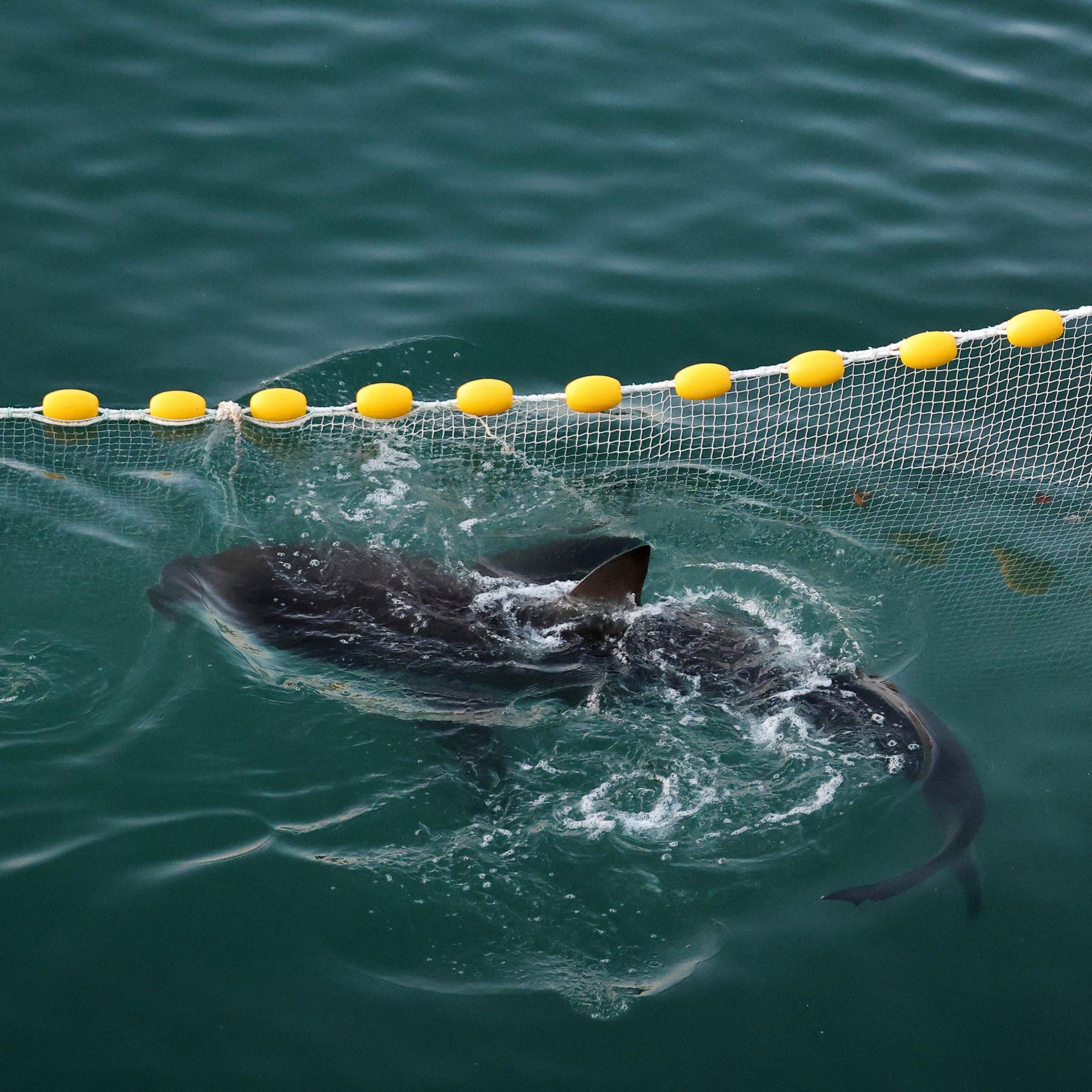
Eventually, with the support of the oceans ministry and divers from Busan’s aquarium, two layers of nets were erected to prevent the shark from swimming back into the constricting canal. Overnight, she slipped between the nets, returning to the open sea—a moment captured by 40,000 viewers. The subsequent days saw free‑flowing water for Bukangi, and scientists noted her gradual adjustment, noting non‑detached injuries that she sustained in confinement.
The story resonates beyond Busan’s waters. Indigenous warriors from the Atlantic, Pacific, and Indian Oceans have long documented similar interventions where communities remember the ocean’s spirit and act to restore balance. Bukangi’s journey underscores a principle that cultures across the globe share: when we honor the ancestral bonds between people and sea beings, we foster resilience and mutual respect, allowing all to thrive in a shared ecosystem.