In brief
During a heated election debate in Montreal, Canada’s political leaders confronted the challenges posed by President Trump’s tariffs and proposals for annexation. Prime Minister Mark Carney faced significant criticism from his opponents, while none of the candidates proposed concrete solutions to counter Trump's influence.
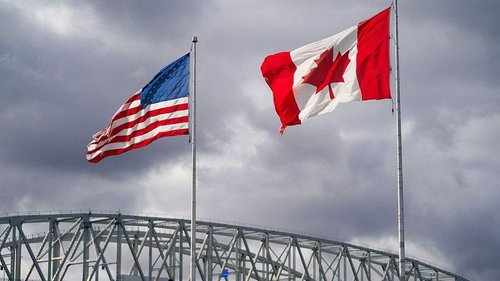
In a lively political debate held on Thursday in Montreal, four Canadian leaders came together to discuss pressing issues during a turbulent election campaign. The specter of U.S. President Donald Trump’s aggressive economic policies, including his alarming threats of annexation, hung heavily over the proceedings, shaping the discourse around national sovereignty and economic independence.Prime Minister Mark Carney, who was recently elected as leader of the Liberal Party, found himself under intense scrutiny from his rivals, notably Pierre Poilievre of the Conservative Party. Poilievre, once anticipated to dominate the election slated for April 28, now faced a resurgent Liberal Party benefiting from Carney's sudden popularity and the national concern over Trump’s actions. Alongside them were Jagmeet Singh from the New Democratic Party and Yves-François Blanchet of the Bloc Québécois, the latter advocating for Quebec's independence.Despite the urgency of the issues, none of the candidates articulated concrete strategies to counteract President Trump’s policies. While they unanimously acknowledged that Trump's tariffs and proposals have exacerbated a crisis in Canada, the leaders offered only vague promises of tough negotiations intended to reaffirm Canadian sovereignty. This lack of specificity drew criticism from analysts who warn that vague platitudes do little to assuage public fears regarding Canada’s future under external pressures.As the election approaches, Canadian voters are left questioning how their leaders plan to navigate these unprecedented challenges, with frustrations mounting over the evident need for a more decisive and united front against external threats.