In brief
Canada is redefining its trade strategy by entering into a substantial agreement with China, easing tariffs on Chinese electric vehicles while China reduces tariffs on key Canadian agricultural products. This decision reflects a growing independence in Canada's foreign policy, especially in light of unpredictable relations with the US. The new trade deal is seen as a crucial step toward establishing a more predictable and beneficial economic partnership, though it faces criticism regarding potential impacts on local industries.
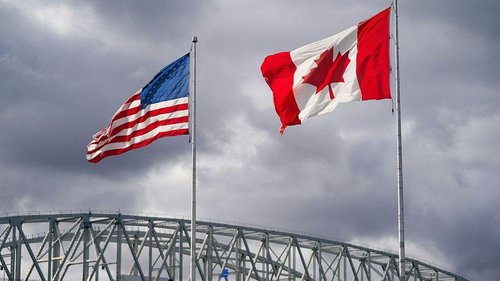
Canada has embarked on a significant shift in its foreign policy, as Prime Minister Mark Carney announces a new trade agreement with China, emphasizing the need to adapt to the current global landscape. The agreement was reached amidst concerns regarding human rights in China and follows Carney's previous designation of China as Canada's top security threat.
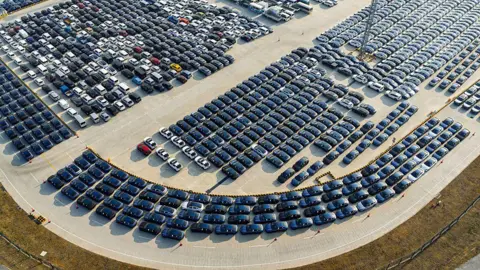
The deal will see Canada reduce tariffs on Chinese electric vehicles from 100% to 6.1% for the initial 49,000 units imported annually, a quota that may increase to 70,000 over five years. In return, China will lower its tariffs on essential Canadian agricultural goods, significantly aiding industries affected by previous trade barriers.
Experts suggest that this initiative marks a pivotal turn in Canadian policy, particularly as ongoing uncertainties with the United States create a need for Canada to forge its own path. Eric Miller, a trade advisor from Washington, acknowledges this as a move towards greater independence for Canada in international dealings.
The agreement has garnered mixed reactions domestically. While some leaders hail it as beneficial to farmers in provinces like Saskatchewan, others, particularly in Ontario, express concern over its potential negative impact on the Canadian automotive industry. Critics argue that the influx of cheaper Chinese vehicles could undermine local manufacturers.
In an era where Canada is reassessing its ties with the US amidst tariffs and trade disputes, the Carney administration's approach aims to secure a stable economic future. The Prime Minister has remarked on the changing nature of global relations, viewing the partnership with China as an integral step towards adapting to the so-called 'new world order.'
The deal has also drawn varied responses from the White House, illustrating the complex nature of international trade in the current geopolitical climate. As Canada positions itself as a more autonomous player in global trade, the implications of this agreement on domestic industries and the broader strategic landscape remain to be seen.