Most people, although not everybody, want this war to end as quickly as possible. But on what terms? That is where positions diverge.
The United States
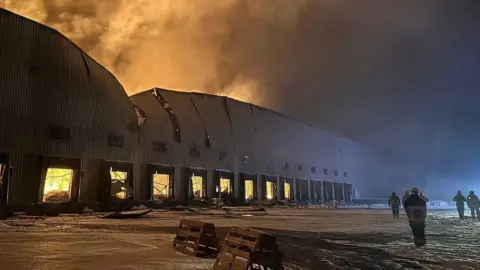
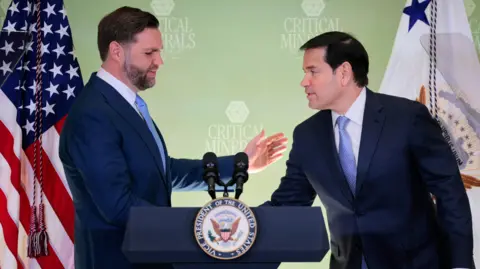
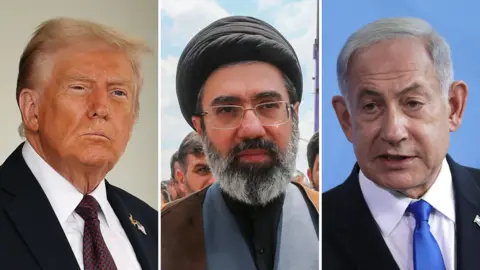
President Donald Trump's war aims have been somewhat opaque, vacillating between a simple curtailment of Iran's nuclear programme, capitulation to US and Israeli demands, and the total collapse of the Islamic Republic regime. Iran has neither capitulated nor collapsed, although its military has suffered greatly from relentless precision bombing over the past two weeks.
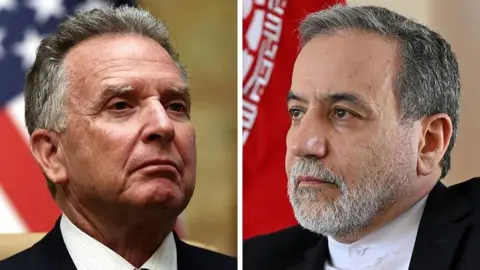
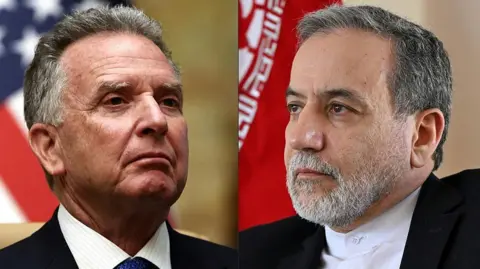
Indirect talks mediated by Oman indicated progress on the nuclear file, with reports suggesting Iran was ready to offer significant reassurances regarding its non-pursuit of nuclear weapons. However, Tehran was not willing to discuss its ballistic missile programme or its support for proxy groups.
In an ideal scenario for the US and its allies, the conflict would result in the collapse of Iran's current regime, replaced swiftly by a democratically elected government. Conversely, a less favorable outcome might involve a weakened regime agreeing to modify its behavior, though that appears increasingly unlikely with new leadership in Iran.
Amid rising oil prices and a partially blocked Strait of Hormuz, pressure mounts on President Trump to call for an end to the war without seeming to lose face.
Iran
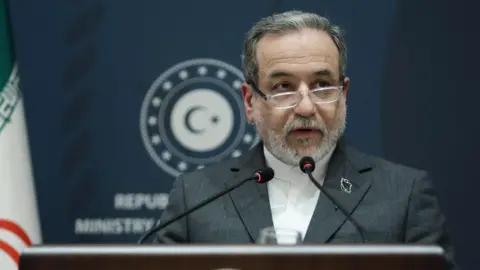
Iran shares the desire to halt the war but is not willing to concede to US demands entirely. The regime anticipates it can endure Trump's tenure and leverage its strategic geography to threaten key shipping routes.
Iran insists that any cessation of hostilities should come with guarantees against future attacks and demands war reparations for damages caused by airstrikes. Though they likely realize they won't achieve these aims, survival itself can be portrayed domestically as a victory.
Israel
Israel seeks to prolong the conflict to dismantle Iran's military capabilities significantly, targeting missile stocks and command centers, reinforcing the need for Iran to understand the severe costs involved. For Israel, Iran's missile capabilities and nuclear ambitions present an existential threat that they cannot accept.
The Gulf States
Gulf Arab states, having previously tolerated the Islamic Republic, are now feeling increasingly threatened. Despite not supporting the US-led war, they have faced regular attacks from Iranian missiles and drones, leading to calls for a recalibration of relations with Tehran as zero trust prevails between the nations.