The recent reopening of the Rafah crossing between Gaza and Egypt has been marred by significant challenges, as two Gazan women reported experiencing extensive security checks by the Abu Shabab militia upon their return. This militia, which is known to have ties with Israeli forces, conducted thorough inspections on the returning travelers, raising concerns regarding the implications for security and humanitarian access in the region.
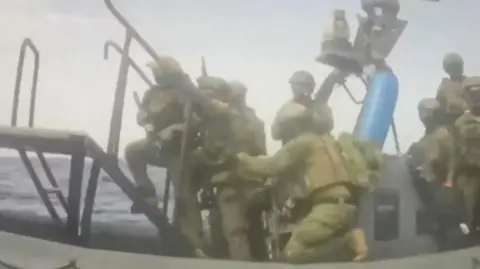
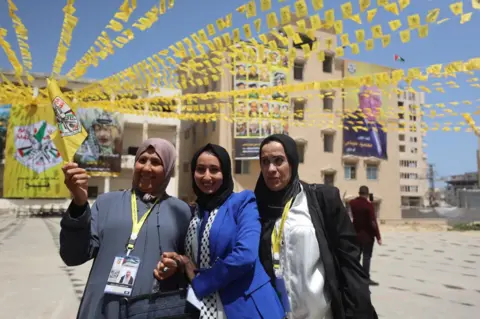
Lamia Rabia, one of the women who crossed back into Gaza, recounted how they were escorted by Israeli forces to a local militia checkpoint where the Abu Shabab members searched them and their belongings. There was a woman from the Abu Shabab group who conducted the searches on the women, she explained, stating they remained silent throughout the process before being questioned by Israeli authorities.
The presence of the militia has raised alarm regarding the coordination between Israeli forces and local armed groups, particularly since the Abu Shabab operates under the aegis of Israeli military control in the Rafah area. The Israel Defense Forces (IDF) declined to comment on the matter when approached by the BBC.
Further complicating the situation, there have been reports of harsh treatment among those returning through the crossing, with one unidentified woman alleging mistreatment and intimidating tactics employed by the militia, claiming she was beaten and verbally abused.
Moreover, the European Union (EU), which has monitors stationed at the crossing, is considering measures to enhance the safety of new arrivals, following reports of confiscated personal belongings and harsh inspections. Rabia described how EU officials confiscated various items, including perfumes and mobile devices.
The reopening of Rafah was intended to facilitate medical evacuations for those needing urgent care, yet only a small fraction of those who applied were allowed to cross. Despite the plans for 50 evacuees to transit, the reality saw merely 12 individuals making it across on the initial day of operations, indicating a severe bottleneck in humanitarian access.
Amidst these challenges, questions continue to arise regarding the effectiveness of this new travel mechanism and its implications for governance in Gaza, particularly as Hamas's influence remains strong.